

I remember sitting in a drafty church hall back in ’94, watching a lovely woman from the gardening club burst into tears because a rogue folding chair had collapsed during a tea dance. It wasn’t the broken chair that mattered; it was the realization that their tiny community fund was suddenly liable for a broken hip. Most people think you need a massive corporate legal team to figure out how to insure an event, but that’s just a myth designed to make you feel small. In reality, you don’t need a mountain of expensive jargon; you just need to know which specific boxes to tick so a single accident doesn’t wipe out everything you’ve worked for.
I’ve spent thirty-one years watching committees thrive or fold, and I’ve learned that the difference is almost always in the boring bits of paperwork. I’m not here to sell you a premium policy or drown you in fine print. Instead, I’m going to give you the plain-English truth on how to insure an event without losing your mind or your budget. We’ll look at exactly what coverage you actually need to keep your street’s future secure and your bank account intact.
The Paperwork Shield How to Insure an Event and Save Your Street
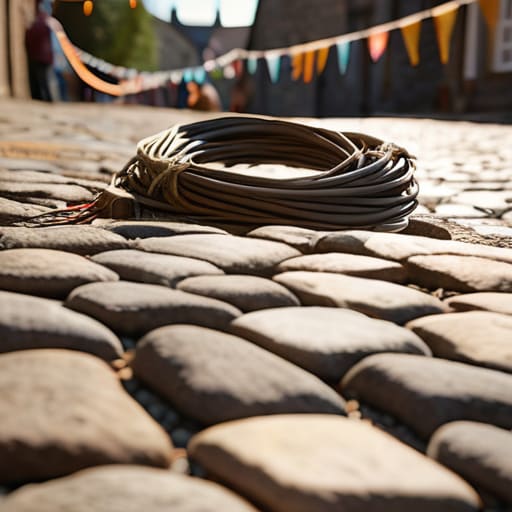
Now, I’ve seen too many lovely community gardens and street parties crumble because someone tripped over a loose paving stone or a stray cable. It’s heartbreaking. You aren’t just planning a fun afternoon; you are managing potential risks. Most people think they can just “wing it,” but you really need to look into special event liability insurance before you even think about putting up the bunting. This isn’t about being paranoid; it’s about making sure that one unlucky mishap doesn’t result in a legal bill that wipes out your entire community fund.
When you start looking at the different event insurance coverage types, don’t get bogged down in the jargon. Focus on what actually matters for a small group: third party liability for events. This is your primary safety net. It covers you if a member of the public gets hurt or if your equipment damages someone else’s property. I always tell my committees to check if their existing community association policy covers one-off activities, or if you need a standalone policy. Getting this right early means you can focus on the street party, rather than worrying about the “what ifs.”
Special Event Liability Insurance Guarding Your Committees Shared Bank Acco

Now, let’s talk about the heavy lifting. When you’re organising a street party or a small fair, you aren’t just responsible for the bunting; you are responsible for the people. This is where special event liability insurance becomes your best friend. I’ve seen too many lovely little committees fall apart because someone tripped over a poorly placed cable or a heavy gazebo blew over in a sudden gust. Without the right coverage, that one mishap can lead to a claim for third party liability for events that would wipe out your entire community fund in a single afternoon.
It isn’t just about being cautious; it’s about being professional. When you look at the various event insurance coverage types, you’ll find that most policies are designed specifically to protect the individuals running the show. You want to ensure you are protecting event organizers from risk so that no one person is left personally liable for an accident. It might feel like an extra chore, but having that safety net means you can focus on the community, rather than lying awake at night worrying about the bank balance.
Decoding Coverage Types to Keep Your Local Vision Alive

When you start looking at the various event insurance coverage types, it can feel a bit like trying to read a committee report written in shorthand—confusing and unnecessarily dense. But don’t let the jargon scare you off. Most of what you actually need boils down to two things: protecting the people attending and protecting the people running the show. You’ll often hear about third party liability for events, which is essentially your safety net if a visitor trips over a loose paving slab or a rogue bunting string. It’s about making sure a single mishap doesn’t turn into a legal headache that haunts your committee for years.
Then, there is the matter of the “what ifs.” I’ve seen many a lovely street party fall apart because the weather turned or the marquee company went bust. This is where an event cancellation insurance policy becomes a quiet hero. It might feel like an extra expense, but it’s really about protecting your hard-earned community funds. You wouldn’t host a fundraiser without a lock on the till; don’t host a community day without considering the risks that could drain your bank account before the first tea is even poured.
Protecting Event Organizers From Risk When Things Go Sideways
I’ve sat in enough committee meetings to know that the most talented volunteers are often the ones most terrified of making a mistake. You have a lovely group of neighbours ready to host a summer fete, but then someone asks, “What happens if a marquee blows over or someone trips on a loose cable?” That fear can paralyze a project before it even starts. Protecting event organizers from risk isn’t about being paranoid; it’s about ensuring that a single mishap doesn’t result in a personal legal headache for the person holding the clipboard.
When things go sideways, you want a clear line between the accident and your own front door. This is where third party liability for events becomes your best friend. It ensures that if a member of the public is injured, the insurance company steps in to handle the claim, rather than the committee members having to scramble for personal funds. I always tell new groups: don’t let the “what ifs” stop you from doing good. Get the right coverage in place so you can focus on the community, not the litigation.
The Safety Net Why an Event Cancellation Insurance Policy Matters
Now, I know what you’re thinking: “Deborah, we’ve planned this summer street party for months, surely nothing can go wrong?” I wish I shared that optimism, but thirty years in local government taught me that the universe has a funny way of intervening right when you’ve finally got the bunting hung up. Whether it’s a sudden bout of flu sweeping through your volunteer team or a freak weather warning that makes an outdoor marquee look more like a sail, things happen. This is where an event cancellation insurance policy becomes your best friend. It isn’t just about being pessimistic; it’s about ensuring that a rainy afternoon doesn’t leave your committee staring at a mountain of non-refundable deposits for bouncy castles and catering.
If you’ve spent months fundraising, the last thing you want is to see those hard-earned pennies vanish because of circumstances entirely out of your control. While we often focus heavily on special event liability insurance to cover accidents, forgetting the cancellation side is a gamble most small groups can’t afford to take. It provides that vital financial cushion, allowing you to settle debts with vendors and, more importantly, protect your committee’s personal finances from the sting of a cancelled dream.
Managing Third Party Liability and Understanding Every Event Insurance Cost
When you’re organizing a street fair or a small community market, you aren’t just responsible for your own committee; you are often answerable for the people you bring in. This is where third party liability for events becomes a bit of a headache if you haven’t planned ahead. If a local stallholder’s gazebo collapses or a hired bouncy castle causes an injury, the claim often lands right on your doorstep. I’ve seen well-meaning groups get caught in the middle of disputes between vendors and visitors, and it’s a mess that can stall a project for months. My advice? Make sure your contracts clearly state that every external provider must carry their own insurance.
Of course, getting that coverage isn’t a flat fee. You’ll find that event insurance cost factors vary wildly depending on what you’re actually doing. A quiet coffee morning in the church hall is going to be much cheaper than a summer festival with live music and food trucks. The insurers look at your expected attendance, the nature of the activities, and even the time of year. It’s worth being very specific in your application; if you try to hide a high-risk activity to save a few pounds, you might find your policy is useless when you actually need it.
Five Practical Rules of Thumb for Your Committee’s Peace of Mind
- Don’t wait until the posters are up to talk to an insurer; get your quotes sorted while you’re still in the planning phase so you aren’t scrambling when a deadline looms.
- Always check if your existing community group insurance covers one-off events, or if you need a specific “rider” to add that extra layer of protection for a single day.
- Make sure your minutes explicitly state that the committee discussed insurance requirements; if something goes wrong, you’ll want that paper trail to show you acted with due diligence.
- If you’re hiring a marquee or a bouncy castle, don’t just take the vendor’s word for it—ask to see their own public liability certificate before you sign anything.
- Keep a physical folder with copies of every policy and certificate on the day of the event; if a local official or a worried neighbour asks questions, you won’t be fumbling through your emails.
The Real Cost of Being Unprepared
“I’ve seen too many wonderful street parties dissolve into bitterness simply because a single tripped wire or a sudden downpour turned a community triumph into a personal debt. Insurance isn’t just another line in your budget; it’s the quiet way you make sure a single mishap doesn’t burn down everything your committee worked so hard to build.”
Deborah Castellanos
A Final Word on Staying Prepared
At the end of the day, getting your insurance sorted isn’t about being a pessimist or expecting the worst; it’s about being a responsible steward of the community’s trust. We’ve looked at everything from public liability to that vital cancellation cover, and the lesson is clear: don’t leave your committee’s hard-earned funds to chance. If you take the time to understand your coverage and document your decisions—just as I always insist on doing in my minutes—you ensure that a single slip-up doesn’t become a reason for the group to fold. Proper insurance is the unseen foundation that allows your street’s projects to stand on solid ground.
I know that staring at policy documents and liability clauses can feel a world away from the joy of a summer fête or a community garden launch. But remember why you started this committee in the first place. You aren’t just managing risks; you are building something that lasts. When you protect your group, you are protecting the very spirit of neighbourliness that makes our streets worth living in. So, get the paperwork done, tuck it safely into your files, and then get back to the real work of making things happen. Your street is waiting.
