
I remember sitting in a drafty church hall in 1994, listening to a consultant in a sharp suit explain that we needed a thirty-page strategic framework and a professional management firm just to fix the local playground. It was nonsense, the kind of expensive fluff that makes people give up before they’ve even started. People think that learning how to run a community asset requires a degree in business administration or a massive government grant, but they couldn’t be more wrong. Most of the time, you don’t need a consultant; you just need a clear set of rules and a bit of common sense.
I’ve spent thirty-one years watching wonderful projects wither away simply because nobody bothered to write down how the previous group handled the keys or the light bill. I’m not here to give you lofty theories or academic jargon. Instead, I am going to show you the practical, unvarnished truth about keeping a community space alive. I’ll share exactly what I learned from decades in local government, focusing on the small, repeatable actions that turn a crumbling building into a heartbeat for your street.
Understanding How to Run a Community Asset
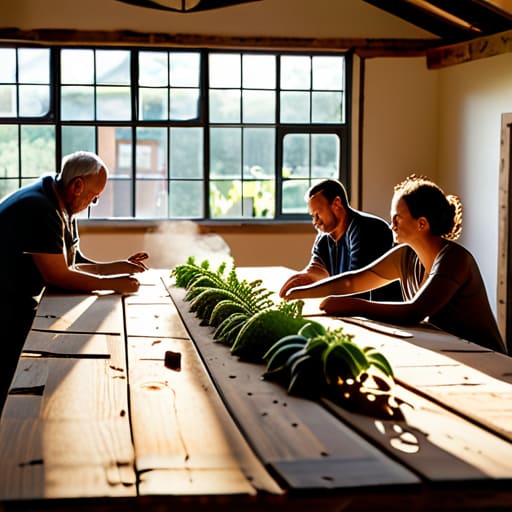
When people talk about taking over a village hall or a derelict garden, they often jump straight to the “doing”—the painting, the planting, the grand opening. But before you pick up a paintbrush, you have to understand that you aren’t just managing a building; you are practicing community resource stewardship. This means moving away from the idea that one person is “in charge” and instead embracing collective ownership models. If the responsibility sits solely on one person’s shoulders, they will eventually burn out, and the project will wither.
To keep things steady, you need a clear framework for the governance of shared spaces. I’ve seen too many wonderful projects fall apart because no one decided who could sign the checks or who was responsible for the roof repairs. It isn’t about being bureaucratic for the sake of it; it’s about creating a safety net. You need a simple, written agreement that explains how decisions are made and how money is spent. If you don’t establish these ground rules while everyone is still on friendly terms, you’ll find it much harder to fix things once a disagreement inevitably arises.
Key Things to Know
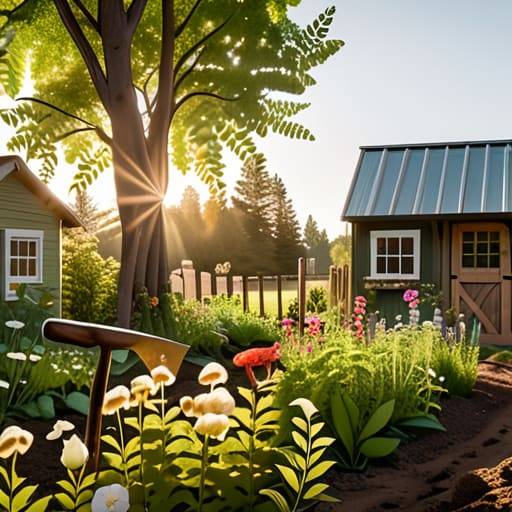
First, you must accept that you aren’t just managing a building or a garden; you are practicing community resource stewardship. It sounds a bit grand, I know, but it really just means being a good caretaker for something that doesn’t belong to any one person. In my thirty years in local government, I saw so many lovely projects wither away because people treated the asset like a personal hobby rather than a shared responsibility. You need to decide early on whether you are operating under one of those collective ownership models—where everyone has a say—or something a bit more structured. Either way, the clarity of your rules will determine if you’re still standing in five years.
Second, don’t underestimate the paperwork. It’s not the most glamorous part of the job, but the governance of shared spaces relies entirely on what is written down. If you don’t have a clear way to decide who spends the money and how decisions are made, you’ll find yourselves arguing over a broken fence instead of planning your next event. Keep your meetings tidy and your decisions recorded; it’s the only way to keep the peace.
Practical Tips and Steps

First, you need to get your house in order regarding the paperwork. I cannot stress this enough: if it isn’t in the minutes, it didn’t happen. When you start looking at governance of shared spaces, don’t try to reinvent the wheel. Sit down with your core group and decide exactly who holds the keys, who signs the cheques, and how often you meet. I’ve seen too many lovely gardens and village halls fall into disrepair simply because no one knew who was responsible for the leaking roof or the insurance renewal.
Next, look at your money. You aren’t just spending; you are practicing community resource stewardship. This means every penny from a bake sale or a local grant needs to be tracked with boring, meticulous precision. Don’t let the “we’ll sort it later” attitude creep in. Set up a simple spreadsheet and a dedicated bank account immediately. By establishing clear collaborative resource allocation rules early on, you prevent the kind of arguments that turn neighbours into enemies. Keep it transparent, keep it simple, and for heaven’s sake, keep a paper trail.
Common Mistakes to Avoid
The most frequent mistake I see—and I’ve seen it in dozens of parish minutes over the years—is the “Hero Complex.” This is when one or two incredibly passionate people try to carry the whole weight on their shoulders. They do the cleaning, the bookkeeping, and the grant writing, but they fail to implement proper community engagement strategies. Eventually, those people burn out, and because they never shared the load, the whole project collapses with them. You have to move away from individual effort and toward collective ownership models if you want the group to outlive your own energy levels.
Another pitfall is treating the asset like a personal hobby rather than a shared responsibility. I once worked with a group that neglected their paperwork for three years, thinking “we all know what’s going on.” They didn’t. When it came time for a formal audit, they couldn’t account for a single penny. Good governance of shared spaces isn’t about being bureaucratic for the sake of it; it’s about protecting the group from future confusion. If it isn’t written down in the minutes, as far as the law is concerned, it never happened.
Final Thoughts
I’ve spent three decades watching lovely ideas wither away simply because someone forgot to write down who was supposed to hold the keys or check the boiler. It’s a heartbreak I’ve seen too often in my time with local government. But please, don’t let the paperwork intimidate you. If you can manage a small committee and keep a tidy ledger, you are already halfway there. The real magic isn’t in the building itself, but in the steady, quiet rhythm of people showing up for one another.
As you move forward, remember that true community resource stewardship isn’t about being perfect; it’s about being consistent. You don’t need a massive corporation to manage your hall or garden; you just need a group of people who care enough to keep the minutes and follow the rules. If you focus on building strong collective ownership models from the very beginning, you won’t just be managing a space—you’ll be nurturing a legacy. Just keep writing it all down, keep the bank account balanced, and don’t be afraid to start small.
Five ways to keep the wheels from falling off
- Write everything down, even the small stuff. I’ve seen wonderful community gardens turn into battlegrounds just because no one recorded who was supposed to turn the water on or who actually owned the shed. If it isn’t in the minutes, it didn’t happen.
- Don’t let one person become the “everything” person. In my thirty years in local government, I saw too many groups collapse because one person held all the keys, the passwords, and the bank details. Spread the responsibility so the group can breathe if someone needs a holiday.
- Keep your books tidy from day one. You don’t need a fancy accountant, but you do need a clear trail of every penny that enters and leaves that bank account. Transparency isn’t just about being honest; it’s about protecting your volunteers from even the hint of suspicion.
- Set a rhythm that people can actually keep. Whether it’s a meeting once a month or a quick catch-up every Tuesday, consistency is what builds trust. If you only meet when there’s a crisis, people will stop showing up.
- Always have a “succession plan” in mind. It sounds a bit formal, but you should always be looking for the next person to take over a role. A community asset shouldn’t be a hostage to the energy levels of just two or three people.
The Paper Trail of Progress
A community garden or a village hall isn’t just bricks and soil; it’s a series of decisions made by people who actually bothered to write them down. If you don’t record how you spent the first fifty pounds, you won’t have the confidence to ask for the next five hundred.
Deborah Castellanos
One Last Bit of Advice
If you take anything away from this, let it be that running a community asset isn’t about having a grand, sweeping master plan; it’s about the small, unglamorous details that keep the lights on. You need that committee of six to stay steady, a bank account that is transparent to every member, and a paper trail that actually makes sense. I’ve seen too many lovely community gardens and village halls fall into disrepair simply because the person who knew where the keys were moved away, and no one had bothered to write down the process. Keep your minutes clear, keep your finances honest, and keep your eyes on the practicalities of the day-to-day.
At the end of the day, these spaces are the heartbeat of a neighbourhood. They are where people stop being strangers and start being neighbours. It can feel overwhelming when you first sit down with a pile of paperwork and a daunting set of responsibilities, but remember that you are building something lasting and meaningful. You aren’t just managing a building or a patch of land; you are stewarding a piece of your community’s future. So, grab your notebook, find your people, and get started. The street is waiting for you to make it happen.
