
I remember standing in the middle of the St. Jude’s Summer Fête three years ago, staring at a mountain of half-eaten sandwiches and sodas spilling out of a single, overflowing bin. It wasn’t just the mess; it was the sheer futility of it all. We had spent months planning the bunting and the raffle, only to let the whole afternoon descend into a logistical nightmare because nobody had actually sat down to figure out how to deal with waste at an event. Most people think you just hire a man with a skip and call it a day, but that’s a lazy way to run a community project, and it’s a massive waste of the little funds we worked so hard to raise.
I’m not here to give you some glossy, corporate sustainability manual that costs a fortune to implement. Instead, I want to share the practical, boots-on-the-ground methods I’ve learned from decades of neighbourhood regeneration. I’ll show you how a small committee can organise a tidy, efficient cleanup without needing a professional waste management firm. We are going to look at how to set up your stations, how to delegate the heavy lifting, and most importantly, how to make sure your cleanup plan is written down properly so the next group isn’t left picking up your scraps.
The Audit Measuring the Mess Before You Make It
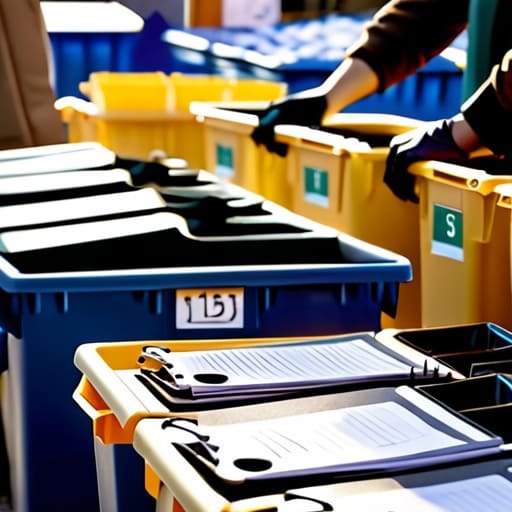
Before you go buying up stacks of paper plates or hiring a massive skip, you need to take a hard look at what you’re actually up against. In my years working on regeneration projects, I’ve seen so many well-meaning committees go bust because they underestimated the sheer volume of rubbish a single afternoon can produce. You can’t guess your way through this; you need a proper waste audit for large gatherings to understand the scale. I always tell my friends: walk the site, look at the bins from last year’s fete, and ask the caterers exactly what they’re bringing in.
If you don’t know if you’re dealing with mostly food scraps or mountains of cardboard, your budget will vanish into thin air. You’ll end up paying for a general waste collection when you actually needed a dedicated recycling service. By getting these numbers right early on, you can implement real waste reduction strategies for festivals—or even just a local street party—rather than just reacting to a mess once it’s already happened. Knowing your numbers is the difference between a tidy community win and a logistical nightmare.
How to Deal With Waste at an Event Without Losing Your Mind

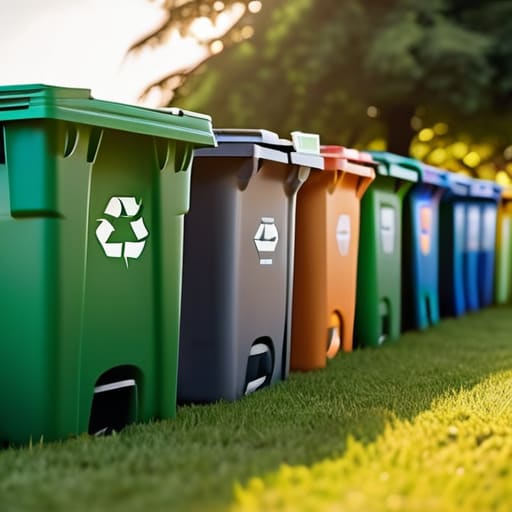
The secret to keeping your sanity isn’t about having a massive budget; it’s about having a clear, written plan that everyone actually follows. I’ve seen too many wonderful neighbourhood fetes fall apart because the committee assumed “someone would pick up the bottles.” Instead, you need to treat your waste management like a tiny department. I always suggest a proper event recycling station setup where bins are clearly marked and, more importantly, placed exactly where people naturally congregate—near the tea tent or the exit. If people have to walk fifty yards to find a bin, they simply won’t use it.
You also need to tackle the problem at the source, before the first guest even arrives. One of my favourite sustainable event planning tips is to look closely at your vendors. If you can, insist on compostable catering supplies rather than letting them bring in a mountain of plastic trays. It’s much easier to manage a single stream of organic waste than it is to sort through a chaotic pile of half-eaten sandwiches and polystyrene at midnight. Assign two people to “bin duty” in short shifts; it keeps them from feeling overwhelmed and ensures the job actually gets done.
Ban the Plastic Minimizing Single Use Plastics at Events

Now, I know what some of you are thinking: “Deborah, we don’t have the budget for fancy eco-friendly everything.” And you’re right; we often don’t. But minimizing single-use plastics at events isn’t always about buying the most expensive bamboo straws. It’s about the decisions you make months in advance. If you’re planning a street fair or a small village fete, talk to your vendors early. Instead of letting them bring in a mountain of plastic water bottles, see if you can arrange for a large water dispenser and ask people to bring their own flasks. It’s a small shift, but it stops the problem before it even reaches your bins.
When you do have to provide supplies, look closely at your compostable catering supplies. I’ve seen many well-meaning committees buy “biodegradable” plates only to find out they won’t actually break down in a standard compost heap. It’s a waste of money and a waste of effort. If you can’t guarantee they’ll be composted properly, it’s often better to stick to something more robust or, better yet, encourage a bring-your-own culture. It’s much easier to manage a clean site when you haven’t invited a thousand pieces of flimsy plastic to join the party.
The Catering Shift Using Compostable Catering Supplies Wisely
Now, I know what you’re thinking: “Deborah, we’ve already banned the plastic straws, surely that’s enough?” Well, I’ve seen too many lovely community fêtes end with a mountain of rubbish because the tea and cake supplies were an afterthought. If you want to move beyond just avoiding plastic, you need to look closely at your compostable catering supplies. It sounds easy enough, but there is a catch that trips up even the most well-meaning committees.
You can’t just buy anything with a leaf on the box and call it a day. If you buy “compostable” plates but don’t have a way to actually compost them, they’ll end up in the general waste bin just like everything else. This is where many of my old regeneration projects stumbled; they had the intention, but not the infrastructure. To make this work, you must ensure your local waste provider can actually process those materials. It’s about making sure your waste reduction strategies for festivals or small street parties actually close the loop, rather than just moving the problem from a plastic bag to a paper one.
Smart Logistics an Event Recycling Station Setup That Actually Works
Now, here is where most committees trip up. They put out three bins in a far corner, label them with tiny, confusing stickers, and then act surprised when everything ends up in the general waste. If you want a proper event recycling station setup, you have to treat it like a piece of infrastructure, not an afterthought. I’ve seen so many wonderful community festivals fail this simple test because they lacked clear signage. You need high-visibility, colour-coded stations placed right where the action is—near the exits and, most importantly, right next to the food stalls.
Don’t just leave the bins to fend for themselves, either. One of my best sustainable event planning tips is to station a friendly volunteer at the hub during the peak hours. People are often in a rush or a bit tipsy, and they don’t want to guess where their compostable cup goes. A person standing there, gently guiding hands, makes a world of difference. It turns a chore into a shared community effort, ensuring your hard work in minimizing waste actually pays off when the final bags are collected.
Waste Reduction Strategies for Festivals Turning Trash Into Community Pride
When you’re running a festival, the temptation is to see waste as a problem to be hidden away once the music stops. But in my experience with neighbourhood regeneration, the most successful committees treat waste as a visible part of the community’s character. Instead of just tucking bins behind a marquee, make your disposal plan a point of pride. When people see a well-managed, clean site, they feel a sense of respect for the space. This is where waste reduction strategies for festivals shift from being a chore to being a shared value.
I always tell my volunteers: don’t just manage the mess, manage the message. If you’ve invested time in an event recycling station setup, don’t let it be a confusing jumble of bins. Use clear, hand-painted signs—something local and tactile—to show exactly where things go. When the community sees that the committee is being intentional and careful with the local environment, they tend to follow suit. It stops being “the organizers’ problem” and becomes something everyone wants to get right together.
Five practical ways to keep your event tidy and your committee sane
- Don’t just hire a skip and hope for the best; assign one person on your committee to be the ‘Waste Warden’ who knows exactly where every bag is going.
- Make your signage idiot-proof by using pictures of actual rubbish, because nobody reads a tiny paragraph of text when they’re holding a half-eaten sandwich.
- Check with your local council or a private contractor about what they actually accept before you spend a penny on bins that end up being contaminated.
- Keep a simple logbook of how much waste you actually produced, so next year’s committee isn’t left guessing how much they need to budget for.
- Encourage your volunteers to use reusable water jugs for themselves; there’s no point in preaching sustainability if your own team is going through dozens of plastic bottles.
The Paper Trail of a Clean Street
I’ve seen too many wonderful community festivals end with a committee standing around a mountain of rubbish, wondering where it all went wrong. The secret isn’t in hiring a bigger skip; it’s in the planning meeting three months prior, where you decide exactly who is responsible for which bin and how that waste actually gets back to the recycling centre.
Deborah Castellanos
Putting the Plan into Practice
At the end of the day, managing waste isn’t about achieving some impossible standard of perfection; it’s about the groundwork you lay before the first guest even arrives. We’ve talked about auditing your expected mess, swapping out those pesky single-use plastics for better alternatives, and setting up recycling stations that people can actually understand without a degree in environmental science. It’s a lot to juggle, especially when you’re running a volunteer-led committee, but remember that small, intentional choices—like choosing compostable catering supplies or having a clear logistics plan—are what prevent a lovely community gathering from turning into a local headache. If you do the legwork now, you won’t be left staring at a mountain of rubbish when the lights go down.
I’ve seen too many wonderful neighborhood initiatives fizzle out because the organizers were simply too exhausted by the cleanup to plan the next one. Don’t let that be your story. When you treat waste management as a core part of your committee’s mission, you aren’t just tidying up; you are building a culture of respect for your shared spaces. A clean street and a well-run event send a message to your neighbors that this group is capable, organized, and here to stay. So, grab your notebook, assign those roles, and go out there and make it happen. You have the tools, and more importantly, you have the community behind you.
