
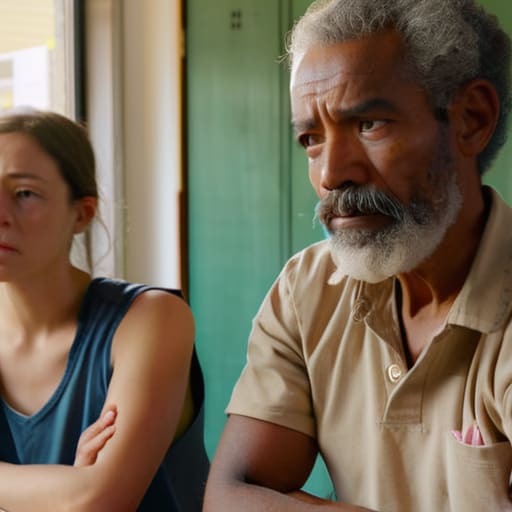
I remember sitting in a drafty church hall in 1994, watching a perfectly good street garden project fall apart not because we lacked funds, but because two lovely women stopped speaking to each other over a disputed seating plan. There was no grand HR manual or expensive consultant that could have fixed that silence; there was only the heavy, awkward tension in the room that made everyone else want to go home. Most people will tell you that you need complex mediation training or formal grievance procedures to fix things, but when you’re dealing with neighbours, that’s just unnecessary clutter. Learning how to handle conflict between volunteers isn’t about following a corporate handbook; it’s about knowing how to clear the air before the silence settles in for good.
I’m not here to give you academic theories or management jargon that won’t work in a community centre. I want to show you how to keep your committee moving so your bank account stays active and your projects actually get finished. I’ll share the practical, plain-English ways I used during my thirty years in local government to settle disagreements, keep the peace, and—most importantly—keep the work moving forward.
When Passion Hits a Wall How to Handle Conflict Between Volunteers

When passion hits a wall: How to Handle Conflict Between Volunteers
In my thirty years of regeneration work, I’ve learned that friction usually comes from a place of deep caring. People join these groups because they want to see the playground fixed or the community garden blooming; they aren’t there to be difficult, they’re there because they care too much. However, when that passion turns into a shouting match over the color of the new benches, it can paralyze your progress. You cannot let a disagreement over trivialities stall your ability to pay the insurance or book the hall.
If you find yourself stuck in the middle, don’t try to be a judge. Instead, lean on simple mediation techniques for community groups to get everyone back to the shared goal. I always tell my committees: sit down, keep the minutes focused on the issue rather than the person, and ensure everyone feels heard. Using basic de-escalation techniques for volunteers—like lowering your own voice and pausing the meeting if things get heated—is far more effective than trying to power through a crisis. If you manage the people well, the work on the street will follow.
De Escalation Techniques for Volunteers Keeping the Mission From Cracking

When things get heated in a meeting, my first instinct is to reach for my notebook, but I’ve learned that you can’t scribe your way out of a shouting match. If you see two members starting to go at it, the best de-escalation techniques for volunteers involve a bit of tactical silence. I always suggest a “pause for tea.” It sounds trivial, but physically breaking the momentum of an argument by suggesting a five-minute break allows everyone to step out of the heat and back into their roles as neighbors rather than combatants.
If the tension persists, you might need to employ some basic mediation techniques for community groups. This doesn’t mean you need a degree in psychology; it just means you need to act as a neutral anchor. I’ve found that pulling the disagreeing parties aside—away from the rest of the committee—prevents a private spat from becoming a public spectacle that scares off your other members. The goal isn’t to decide who is right, but to refocus the conversation on the street we are trying to improve, rather than the personalities causing the friction.
Mediation Techniques for Community Groups Turning Friction Into Fuel

Now, if de-escalation is about cooling the room, mediation is about getting everyone back to the table to actually finish the job. When you find yourself in the middle of a dispute that won’t settle with a simple chat, you have to step in as a neutral party. I’ve seen many a lovely garden project fall apart because two people couldn’t agree on the color of the fence, and suddenly it’s personal. My advice? Don’t take sides, even if you’ve known one of them since primary school. Use mediation techniques for community groups by letting each person speak their piece without interruption. It sounds simple, but giving someone the space to feel truly heard often takes the sting out of the argument.
The goal isn’t to decide who was right, but to find a way forward that doesn’t leave the committee paralyzed. When you’re managing volunteer interpersonal issues, try to pivot the conversation away from “who said what” and back toward the original goal—like that new playground or the street party. If you can frame the solution around the community’s needs rather than individual egos, you’ll find that most people are surprisingly willing to compromise for the sake of the street.
Effective Communication for Volunteer Leaders Protecting Your Shared Vision
I’ve seen many a lovely neighbourhood project crumble, not because the idea was bad, but because the people stopped talking to each other and started talking about each other. When you are leading a small group, you aren’t just managing tasks; you are managing personalities, histories, and varying levels of commitment. One of the most vital pieces of effective communication for volunteer leaders is the habit of “checking the temperature” before a meeting even begins. Don’t wait for a shouting match over the refreshments to realize there is tension; instead, make it a point to have those quiet, one-on-one chats over a cup of tea.
It is also about being incredibly clear about what is—and isn’t—on the agenda. Most interpersonal friction arises when someone feels they’ve been blindsided by a decision. I always tell new chairpeople that transparency is your best shield. If you use clear, written agendas and follow up with simple minutes, you remove the guesswork that often leads to resentment. When everyone knows exactly what the goal is, there is much less room for the kind of misunderstandings that derail your hard work.
Solving Interpersonal Issues Nonprofit Volunteer Management Strategies That
Now, we have to talk about the messy bit: the personalities. I’ve seen many a lovely neighbourhood project stall not because the funding dried up, but because two people simply couldn’t stand being in the same room. When you are dealing with managing volunteer interpersonal issues, you aren’t just managing tasks; you are managing decades of lived experience, different temperaments, and sometimes, old grudges from the local shop. You cannot simply wish these frictions away.
The trick is to stop treating personality clashes as a distraction and start seeing them as a structural problem. I always tell my former colleagues that the best nonprofit volunteer management strategies are those that build a clear “rules of engagement” document early on. If you have a written agreement on how decisions are made and how disagreements are voiced, it takes the sting out of the personal attack. It moves the conversation from “You always do this” to “This isn’t how we agreed to operate.” It’s about protecting the work by setting boundaries that keep the focus on the street we are trying to improve, rather than the person sitting across the table.
Conflict Resolution in Nonprofit Organizations Saving the Streets Progress
At the end of the day, the reason we bother with all these meetings and bank accounts is to see the street actually improve. But when a disagreement turns into a grudge, the project doesn’t just slow down; it stops. I’ve seen wonderful initiatives—a new community garden or a local play area—simply wither away because people were too embarrassed to address the tension. True conflict resolution in nonprofit organizations isn’t about making everyone best friends; it’s about making sure the work stays bigger than the ego.
If you find yourselves stuck, remember that your primary duty is to the mission, not to being right. You need to implement practical nonprofit volunteer management strategies that prioritize the goal over the grievance. This might mean setting a rule that no major decisions are made while emotions are running high, or perhaps moving a sensitive discussion from the public committee meeting to a quiet tea and biscuits session. We aren’t professional therapists, but we are stewards of the community’s progress, and protecting that progress means being brave enough to clear the air before the silence becomes permanent.
Five Practical Ways to Keep the Peace (and the Project) Moving
- Stick to the minutes, not the memories. When an argument breaks out about what was decided last month, don’t rely on who has the loudest voice; pull out the written record. It’s much harder to argue with ink on paper than it is with someone’s version of events.
- Keep the focus on the street, not the person. If someone is being difficult, try to steer the conversation back to the actual goal—whether that’s the new planters or the playground repair. It’s a lot harder to stay personal when you’re constantly being reminded of the community you’re trying to serve.
- Don’t let disagreements fester in the WhatsApp group. If a debate starts getting heated on a phone screen, shut it down immediately and call a face-to-face meeting. Texting lacks the nuance of a human voice, and things get misinterpreted far too easily when you can’t see someone’s expression.
- Assign clear roles so people aren’t stepping on toes. Most friction happens when two people think they are both in charge of the same thing. If one person is the Treasurer and another is the Events Lead, they have their own lanes, which leaves much less room for accidental territory wars.
- Know when to take a tea break. Sometimes, a committee meeting hits a wall simply because everyone is tired and hungry. If the tension is rising, call a ten-minute pause for a cup of tea. It sounds trivial, but a bit of quiet and a biscuit can do more for group harmony than a formal mediation session.
The Paper Trail of Peace
Most disagreements in a small group aren’t actually about the project; they’re about people feeling unheard. If you don’t write down the decisions you make when things are calm, you’ll find yourselves fighting over the same old ghosts six months later. Clear minutes aren’t just bureaucracy—they’re the anchor that keeps a committee from drifting into a grudge.
Deborah Castellanos
Bringing it Home
At the end of the day, managing conflict isn’t about finding a way to make everyone agree on every little thing—that’s a fool’s errand. It’s about making sure that a disagreement over the colour of a community garden fence or the timing of a meeting doesn’t derail the entire project. We’ve looked at how to de-escalate tension, how to mediate when things get heated, and the importance of keeping your communication clear and documented. If you can master these bits, you protect more than just your peace of mind; you protect the group’s ability to function and, most importantly, you protect your bank account from being frozen by a committee that has simply stopped speaking to one another.
I’ve spent thirty-one years watching wonderful neighbourhood initiatives crumble, not because they lacked funding or passion, but because they let the small, human frictions go unaddressed until the cracks became too wide to mend. Don’t let that be your story. Remember that every person on your committee is there because they care deeply about the street, and sometimes that very passion is what causes the spark. If you handle the friction with a bit of grace and a lot of clear documentation, you won’t just survive the disagreements; you’ll build a stronger, more resilient foundation. A committee of six can do remarkable things, provided you keep the focus on the work that actually changes the world outside your front door.
