
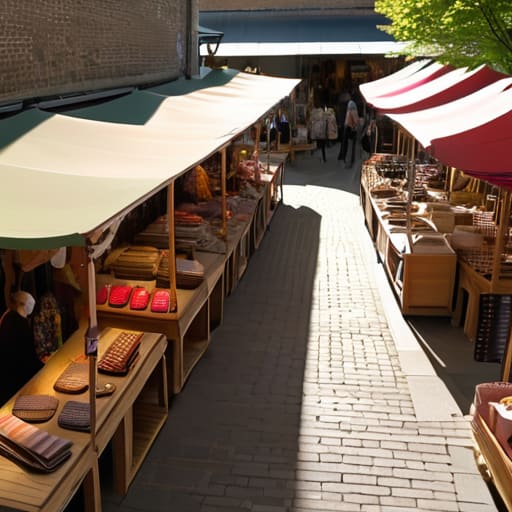
I remember standing on a windswept corner in Northfield back in ’94, watching three different local groups try to run their own little craft markets on the exact same Saturday. There was no coordination, no shared map, and certainly no central pot of money; it was just a chaotic scramble of folding tables and frustrated neighbors tripping over each other’s power cables. Most people think that learning how to organise stalls requires a massive council budget or a professional event firm, but that is a complete myth that keeps good people from starting. All you really need is a bit of spatial logic and a clear set of rules so everyone knows exactly where their patch begins and ends.
I’m not here to give you a glossy brochure full of empty promises or expensive software recommendations. Instead, I’m going to give you the practical, boots-on-the-ground reality of layout, logistics, and keeping the peace between vendors. I’ll show you how to map out your space, manage the flow of people, and ensure your little venture doesn’t collapse into a heap of unrecorded decisions by the end of the afternoon.
The Shared Pot Funding Your First Local Market
Now, let’s talk about the money, because this is where most good intentions hit a brick wall. You can have the most wonderful vision for a community market, but if you haven’t got a clear way to handle the pennies, things will get messy very quickly. I’ve seen so many lovely neighbourhood projects fall apart simply because someone’s personal bank account got tangled up with the group’s funds. My advice? Get your committee to open a dedicated community account immediately. Once you have that shared pot, you can start thinking about your vendor application process—not to be bureaucratic, but to ensure you’re actually collecting those small stall fees upfront to cover your insurance and permit costs.
Don’t try to fund the whole thing yourselves. A successful market is a partnership. You provide the space and the coordination, and the traders provide the life (and the revenue). I always suggest setting a modest fee for each pitch; it ensures the people signing up are actually committed to showing up. This small stream of income helps cover your basic event logistics and planning, like those essential public liability insurances or renting a few extra trestle tables. Keep a simple spreadsheet of every pound that comes in and goes out. If you can’t show where the money went, you’ll lose the trust of your neighbours, and trust is much harder to rebuild than a bank balance.
The Blueprint Mastering Your Market Site Map Design
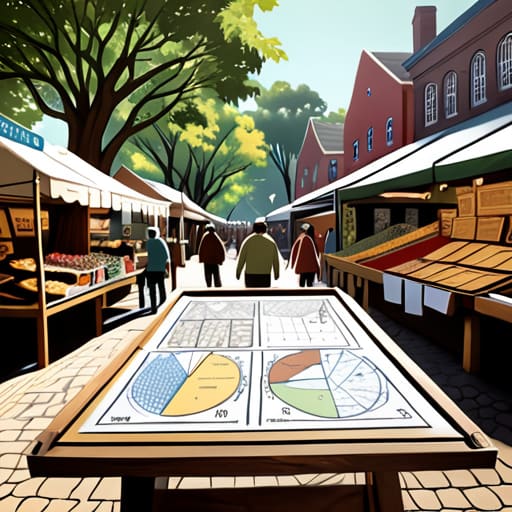
Once you have the funds tucked away in your committee account, you need to stop looking at your street as just a stretch of tarmac and start seeing it as a puzzle. I’ve seen too many lovely afternoon markets turn into a chaotic mess simply because nobody sat down with a clipboard and a piece of graph paper. Effective market site map design isn’t about making things look pretty for a brochure; it’s about ensuring the lady selling homemade jam isn’t stuck in a dark corner where no one can find her, and that the tea tent has enough room for a queue.
I always tell my volunteers to walk the route physically before committing to a plan. You need to account for the “dead zones”—those awkward bits of shadow or heavy foot traffic that might trip someone up. When you’re organizing craft fairs, I find it best to group similar items together, like putting the knitters near the bakers, to create little hubs of interest. Map out your access points first, then layer in your stalls, making sure there is a clear, wide path for the elderly residents to navigate without feeling squeezed.
Street Level Success How to Organise Stalls and Spaces
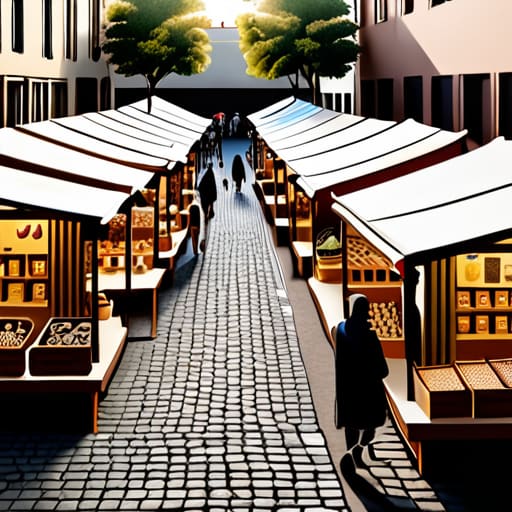
Once you have your map drawn up, you have to move from the drawing board to the actual pavement. I’ve seen many a lovely idea fall apart because someone forgot that a heavy gazebo needs a flat surface, or that a tea stall needs to be near a power point. When you’re organizing craft fairs or a street market, you aren’t just placing tables; you are managing the flow of human beings. I always tell my committee to walk the route physically. If a pram can’t get past a display, or if the queue for the sausage van blocks the entrance to the chemist, you’ve lost the street before the day has even begun.
The paperwork side of things can feel a bit daunting, but a clear vendor application process is your best friend. Don’t just take a name and a phone number; ask exactly what they are selling and how much space they need. I keep a simple folder for every person who signs up. If you don’t write down who is bringing what, you’ll end up with four people selling jam and nobody selling bread. Keep it simple, keep it recorded, and keep moving.
Curating the Crowd a Seamless Vendor Application Process
Now, once you’ve got your map drawn up and your bank account ready, you need the actual people to fill those spaces. I’ve seen so many lovely community markets fizzle out because the organizers took on too much at once, trying to manage fifty different emails and handwritten notes. Please, don’t do that to yourself. You need a clear vendor application process that feels professional but remains manageable for a small committee. Whether you’re using a simple online form or a dedicated spreadsheet, make sure you ask for the basics upfront: what they sell, their public liability insurance, and exactly how much space they need.
The secret to a balanced market is variety. You don’t want six people selling the same sourdough loaf, or you’ll have a very grumpy street of vendors. When you are organizing craft fairs or food markets, think of your site map as a jigsaw puzzle. You want to mix the high-scent food stalls with the quieter makers to keep the footfall moving. If you keep a tidy record of who has applied and what they bring to the table, you won’t find yourself scrambling on the morning of the event.
Flow and Function Smart Market Stall Layout Planning
When I was working in regeneration, I learned that a market isn’t just a collection of tables; it’s a living, breathing organism. If you crowd everyone into one corner, you create a bottleneck that frustrates both the shoppers and the sellers. Effective market stall layout planning requires you to think about the “walkability” of the space. You want to create natural loops that guide people from one end to the other, ensuring that the stall at the far end of the street gets just as much footfall as the one right by the entrance.
I always tell my committees to watch the way people naturally move through a space before they start marking out spots. You have to account for the “dead zones”—those awkward little pockets where nobody wants to linger—and use them for things like bins or signage rather than prime retail space. It’s all part of the broader event logistics and planning that keeps a day from turning into chaos. If you manage the flow well, the vendors stay happy because they’re making sales, and the community stays happy because they aren’t tripping over each other.
Beyond the Tent Managing Event Logistics and Planning
Once the maps are drawn and the vendors are signed up, the real work begins in the quiet hours before the first tent goes up. I’ve seen too many lovely community markets stumble because someone forgot to check if the local hall had enough power sockets for a coffee van, or if the bins would actually be emptied by Monday morning. Effective event logistics and planning isn’t about grand gestures; it’s about the unglamorous details like ensuring there is a clear route for a delivery van to unload without blocking the entire street.
I always tell my committee members that a written checklist is worth more than a dozen enthusiastic volunteers. You need a clear system for the day-of arrivals—something simple like a clipboard and a designated “check-in” person—to avoid a bottleneck at the entrance. When you are organizing craft fairs or larger street markets, the chaos usually happens at the edges. If you manage the arrival times and the waste disposal early, the rest of the day tends to flow with much more grace.
Five Little Things That Keep a Market from Turning into a Muddle
- Keep a physical folder of every vendor’s public liability insurance. I’ve seen too many lovely afternoons ruined because someone didn’t have the right paperwork, and trying to hunt down a digital file while a kettle is boiling and a crowd is gathering is a recipe for stress.
- Don’t just assign a space; walk the ground with your committee. A spot might look perfect on a printed map, but once you’re standing there, you’ll realise it’s right in the path of a heavy bin collection or tucked behind a pillar where the light never hits.
- Create a simple “Arrival and Departure” schedule that everyone can read. If you have six stalls all trying to squeeze into a narrow lane at 7:00 AM, you’ll have a bottleneck that lasts until noon; staggered times keep the peace and the traffic moving.
- Designate a “Stallholder Hub”—even if it’s just a folding table with a thermos and some spare pens. If your vendors feel looked after and know exactly where to go if they have a problem, they’ll be much more willing to help you keep the whole thing tidy.
- Always, always write down the “lessons learned” in your committee minutes. If a particular stall layout caused a crowd to bunch up in a corner, note it down so that when we do this again next season, we aren’t making the same mistake twice.
The Secret to a Good Layout
You can have the most beautiful stalls in the world, but if you haven’t thought about where the rubbish bins go or how a pram turns a corner, you aren’t running a market—you’re just creating a bottleneck. A good layout isn’t about aesthetics; it’s about making sure people can linger without feeling like they’re in a queue.
Deborah Castellanos
The Small Wins That Build Big Streets
Looking back at everything we have covered, it is easy to feel a bit overwhelmed by the sheer amount of moving parts. You have to manage the money in that shared pot, map out every square inch of the pavement, and ensure your vendor applications aren’t a chaotic mess. It is about more than just putting a table on a sidewalk; it is about the logistical backbone that keeps the whole thing from collapsing by lunchtime. From the way you flow the crowds to the way you handle the heavy lifting behind the scenes, every decision you make is a brick in the wall of a well-run community event. If you keep your notes tidy and your plan clear, you won’t find yourself staring at a pile of half-empty stalls wondering where it all went wrong.
At the end of the day, I have seen too many wonderful ideas fizzle out simply because people forgot to write down the “how” of it all. Don’t let that be your story. When you see those first few neighbors congregating around a stall, and you hear the hum of a street that has suddenly come to life, you will realize that the paperwork and the planning were worth every minute. You aren’t just organising stalls; you are knitting a neighbourhood back together. Grab your committee, open that bank account, and get started. The street is waiting for you.
