

I remember sitting in a drafty community hall back in ’94, watching a well-meaning volunteer hand a thick, glossy folder to the local reporter. It was stuffed with jargon, flowery adjectives, and enough corporate fluff to choke a horse. The poor lad didn’t even look up from his tea; he just pushed it aside because it didn’t actually say anything. That’s the biggest mistake people make when they’re trying to figure out how to write a press release. They think they need to sound like a high-priced PR firm or a government white paper, but all they end up doing is burying the one thing the community actually cares about: the facts.
I’m not here to teach you how to use big words to hide small ideas. My goal is to show you that a bit of plain English and a clear sense of purpose can get your story onto the front page of the local rag. I’ll walk you through the unvarnished truth of getting noticed, from the first sentence to the contact details. We are going to focus on keeping it simple and making sure your hard work actually gets the recognition it deserves.
The Spark Finding Your Newsworthy Headline Examples
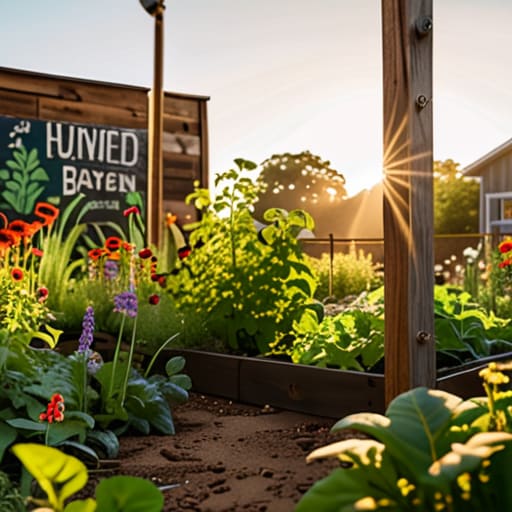
Now, you might think your local garden project or your new street lighting committee isn’t “big news,” but that’s where most groups stumble. They wait for a catastrophe to happen before they call the papers. In my years at the council, I saw so many wonderful little initiatives wither away simply because they didn’t know how to frame their success. You aren’t just announcing a meeting; you are announcing a change in the local landscape. When looking for newsworthy headline examples, don’t look at the national broadsheets. Look at what makes your neighbor stop walking their dog. Is it a new community pantry? A reclaimed derelict lot? That is your hook.
The trick is to lead with the human element rather than the administrative one. Instead of a dry title like “Committee Meeting Results,” try something that paints a picture, like “Three Generations Unite to Transform Oak Street Alleyway.” If you can find that spark, you won’t need a complex press release template to do the heavy lifting for you. You just need to tell the truth about why your small group matters to the people living right next door.
Mastering the Inverted Pyramid Style for Impact
Now, when you sit down to actually put pen to paper, you have to resist the urge to tell the whole story from the beginning. I spent years watching local councillors try to write reports that read like a history book, and let me tell you, no journalist has the patience for that. Instead, you need to use the inverted pyramid style. This means you put the most vital information—the who, what, where, and when—right at the very top. If a reporter only has thirty seconds to skim your work, they should still walk away knowing exactly what your group is doing for the neighborhood.
Think of it like a well-structured meeting; you don’t start with the tea and biscuits, you start with the main motion. You lead with the punch, then provide the supporting details, and leave the lovely, descriptive fluff for the very end. By mastering this essential structural trick, you ensure your most important news doesn’t get buried under a mountain of unnecessary context. It keeps the reader focused on the action rather than getting lost in the weeds.
How to Write a Press Release That Demands Attention
Now, once you’ve got your facts straight and your pyramid shaped, you have to actually sit down and face the blank page. I’ve seen so many lovely community projects stall out simply because their announcement read like a dry council report from 1984. If you want the local paper to actually pick up the phone, you need to find the human heartbeat of your story. Don’t just tell them you’ve raised five hundred pounds; tell them that five hundred pounds means the broken swings in the park will finally be replaced before summer.
When you’re drafting, try not to get bogged down in a rigid press release template that makes you sound like a robot. Instead, focus on the “so what?” factor. A journalist is busy, often overworked, and looking for something that will actually make their readers care. You aren’t just sending out information; you are offering them a story. Keep your sentences lean and your passion visible. If you can make the reader feel the urgency of your cause within the first two sentences, you’ve already won half the battle.
The Blueprint Using a Proven Press Release Template
Now, I know what you’re thinking. You’ve got the passion, you’ve got the news, but looking at a blank white screen feels a bit like standing in a drafty church hall without a hymn book. You don’t need to reinvent the wheel every time you have an update. Using a standard press release template isn’t about being unoriginal; it’s about being efficient. In my years at the council, I saw so many good projects wither away simply because the organizers spent three weeks arguing over a single paragraph instead of just getting the facts out to the local paper.
A good template acts as your scaffolding. It ensures you don’t forget the “boring” but vital bits—like your contact details or the date—that a busy journalist needs to see at a glance. Think of it as a map for your information. If you follow a tried-and-tested structure, you ensure that your most important points aren’t buried under a mountain of unnecessary adjectives. Stick to the bones of the story, and you’ll find that the process becomes much less daunting and much more professional.
Media Kit Essentials to Build Your Groups Credibility
Now, don’t make the mistake of thinking a single piece of paper is enough to prove you’re the real deal. I’ve seen many a lovely garden project fizzle out simply because they looked a bit amateurish when a local reporter finally called. You need a little folder—digital or physical—that acts as your group’s calling card. Think of these media kit essentials as your professional backbone; they tell the journalist that while you might be run by volunteers, you aren’t running around aimlessly.
Inside this kit, you should include a high-resolution photo of your committee in action (not just a stiff group shot, but something showing the work being done) and a one-page fact sheet. This sheet should outline exactly who you are, what your mission is, and your contact details. If you’ve already used a press release template to announce your latest milestone, include that too, so they have the context of your recent history. Having these bits ready to go means that when the phone rings, you aren’t scrambling through old emails; you are simply providing the proof they need to tell your story.
Aggressive Media Outreach Strategies and Distribution Channels
Now, don’t go making the mistake of just hitting ‘send’ on an email and assuming the world will come knocking. I’ve seen so many wonderful community projects wither away simply because they stayed quiet. You need to be proactive. When I was working in local government, I learned that the best media outreach strategies aren’t about shouting into the void; they are about finding the specific person who actually cares about your street. Don’t just blast a generic list; find the local reporter who covers the council or the community beat and make a personal connection. A quick, polite phone call to the newsdesk can do more for you than a hundred automated emails.
Once you’ve identified your targets, you have to look at your distribution channels for press releases with a bit of pragmatism. Yes, social media has its place, but for real impact, you want the local paper, the community radio station, and even the parish newsletter. These are the voices people actually trust. If you’ve followed my advice on the structure, you’ll have something worth reading, but you still have to hand-deliver the opportunity to the people who hold the megaphone.
Five Things to Remember Before You Hit 'Send'
- Keep your contact details at the very top. I’ve seen too many lovely community projects stall simply because a journalist had a great story but couldn’t find a phone number to call for a quote. Don’t make them hunt for you.
- Write for the person who has thirty seconds to spare. Local news editors are stretched thin; if your first paragraph is a rambling history of the committee, they’ll bin it. Tell them what is happening, where, and why it matters to the street right now.
- Include a human quote that actually sounds human. Avoid phrases like “We are delighted to announce…” It sounds like a council memo. Instead, use a quote from a resident that captures the actual feeling of the project—the excitement, the relief, or the pride.
- Don’t forget the ‘Boilerplate.’ This is just a fancy way of saying you need a tiny paragraph at the bottom that explains who your group is. I always tell my volunteers: if you don’t tell them you’re a neighbourhood watch or a garden club, they’ll just guess, and they usually guess wrong.
- Check your facts against your own minutes. It sounds pedantic, I know, but there is nothing more embarrassing than sending a release to the local paper with the wrong date for a community meeting. If it isn’t written down and verified, don’t put it in the press release.
The Heart of the Matter
You can have the most polished, professional document in the world, but if you strip away the actual human reason why your group is standing on that street corner, a journalist isn’t going to care. Don’t just report the facts; tell them why the neighborhood should bother waking up to read it.
Deborah Castellanos
Putting Your Story Into the World
We’ve covered a lot of ground, from finding that one newsworthy spark to mastering the inverted pyramid so your most important news doesn’t get buried under a pile of fluff. You now have the blueprint, the template, and the media kit to make sure that when you finally hit ‘send’, you aren’t just shouting into the void. Remember, the goal isn’t to sound like a government department or a corporate giant; it’s to provide the local papers with a clear, concise, and ready-to-use story that makes their job easy. If you follow these steps, you’re moving far beyond just “asking for a favor” and instead offering the community something worth reading.
At the end of the day, a press release is just a tool, much like a sturdy shovel or a well-kept set of minutes. It’s the bridge between a quiet idea in a community hall and a visible movement on your high street. Don’t let the fear of doing it “perfectly” stop you from doing it at all. Most editors are just looking for someone who has done the legwork and cares about the neighborhood. So, get your facts straight, keep your tone plain, and get that story out there. Your street is waiting to hear what you have to say.
