
I remember sitting in a drafty village hall back in ’94, clutching a stack of glossy, professionally printed flyers that I’d spent our entire community budget on, only to watch them sit untouched in a damp cardboard box. I had thought that if the information looked “official,” the journalists would come knocking, but I was dead wrong. Most people think you need a public relations firm or a massive marketing budget to make a splash, but that’s a load of nonsense. Learning how to get local press coverage isn’t about how much money you can throw at a printing press; it’s about knowing which door to knock on and having a story that actually matters to the person reading the paper over their morning tea.
I’m not here to give you any of that polished, corporate fluff you find in management textbooks. Instead, I’m going to share the unvarnished truth I learned from three decades in local government and neighborhood regeneration. I will show you how to identify a real news hook, how to talk to a reporter without feeling like an intruder, and how to ensure your small group’s hard work gets the spotlight it deserves. We are going to focus on practical, repeatable steps that turn a quiet committee into a local headline.
Stop Begging for Attention How to Get Local Press Coverage
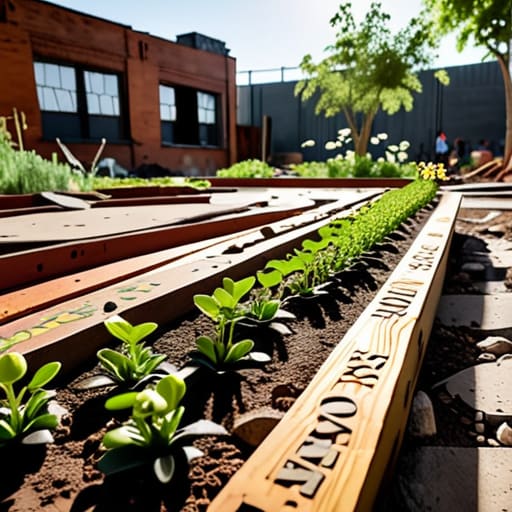
The mistake most of us make is treating the local paper like a bulletin board for our announcements. If you send an email saying, “The community garden is opening on Tuesday,” you’re essentially asking for a favor, and busy reporters don’t work on favors. You have to understand community news value; they don’t care that you have a meeting, they care about the conflict or the transformation. Are you reclaiming a derelict lot that’s been an eyesore for a decade? That’s a story. Are you saving a local landmark? That’s a headline.
Instead of sending generic press releases into the void, start by crafting a news hook that actually bites. Don’t just tell them what happened; tell them why it matters to the person reading the paper over their morning tea. I always tell my committees: stop asking for a slot in the column and start offering them a front-row seat to something interesting. When you stop begging and start providing actual substance, you aren’t just getting a mention—you’re building a reputation.
Stop Chasing Headlines and Start Crafting a News Hook
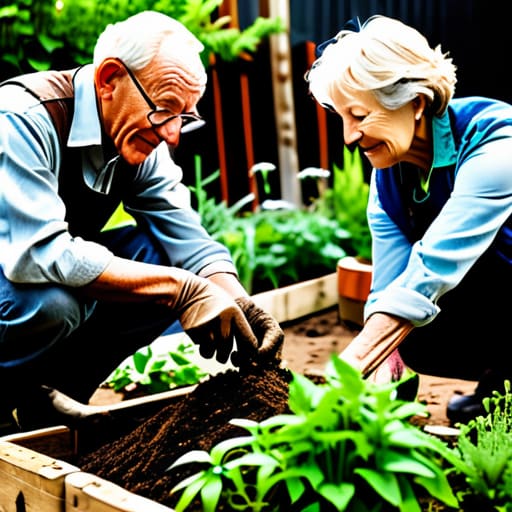
The biggest mistake I see people making is thinking they need a grand, world-changing event to get a journalist to pick up the phone. They wait for a massive festival or a groundbreaking ceremony, and in the meantime, the small, meaningful things they do go unnoticed. You don’t need a parade; you just need community news value. A story about three neighbors clearing a derelict lot to plant a tiny herb garden is often much more compelling to a local editor than a generic “community spirit” press release. It’s about the human element—the grit, the specific faces, and the direct impact on a single street corner.
When you’re crafting a news hook, stop looking at your project through your own eyes and start looking through theirs. A journalist isn’t looking for a way to help you; they are looking for a story that their readers will actually care about. Instead of telling them what you did, tell them how it changed something. Did a quiet cul-de-sac suddenly become a place where people actually talk to one another? That is your story. Keep it small, keep it specific, and keep it real.
The Art of Pitching Local Journalists Without Being Ignored
Now, let’s talk about the actual hand-off. I’ve seen many well-meaning groups send a polite, rambling email that reads like a grocery list, only to be met with total silence. When you are pitching local journalists, you have to remember they are often overworked and understaffed. They aren’t looking for a lecture on social policy; they are looking for a story that makes their readers sit up and take notice. Don’t send a massive attachment. Send three clear sentences: what is happening, why it matters to the people on this specific street, and a photo of the actual humans involved.
The real secret isn’t some complex set of media outreach strategies; it’s about building media relationships over time. I used to keep a little notebook of the reporters at the local gazette—not just their names, but what they actually covered. If a reporter writes about a school garden, send them a quick note when your community allotment finally breaks ground. If you treat them like a person rather than a megaphone, they’ll start to see your group as a reliable source of genuine community news value rather than just another nuisance in their inbox.
Mastering Media Outreach Strategies That Actually Move the Needle
Now, once you’ve got your hook and your pitch ready, you need to stop treating journalists like a vending machine where you put in a press release and a story pops out. It doesn’t work that way. Real media outreach strategies are built on the slow, sometimes tedious work of building media relationships long before you actually need a favor. I spent years in local government seeing groups fail because they only showed up when they wanted something. Instead, try sending a quick note when something good happens in the neighborhood—even if it isn’t about you. It makes you a person, not just another anonymous email in a crowded inbox.
You also need to be organized, or you’ll waste your breath. I always tell my committees to keep a tidy local newsroom contact list in a shared folder. Don’t just aim for the big regional papers; the community editors and even the local Facebook group admins are often the ones who actually hold the power to move the needle. If you know exactly who covers the “human interest” beats, you aren’t just shouting into the wind—you are placing your story where it can actually land.
Why Your Community News Value Is Your Greatest Leverage
The thing I learned during my years at the council is that journalists aren’t your enemies, but they aren’t your friends either; they are simply people on a deadline. They don’t care about your committee’s internal politics or the fact that you finally managed to fix the community garden gate. They care about what matters to their readers. That is where community news value comes in. If you can’t show them why your little project affects the person reading the paper over their morning tea, you’re just adding to their inbox clutter.
You have to stop thinking like a volunteer and start thinking like a storyteller. When you are pitching local journalists, you aren’t asking for a favour; you are offering them a ready-made story that proves their paper is still the heartbeat of the town. It’s about finding that intersection between your hard work and the public’s interest. Once you understand that your value lies in the human impact of your actions, you stop being a nuisance and start becoming a reliable source they actually want to call back.
Building Media Relationships That Turn Reporters Into Allies
I’ve seen too many lovely community projects wither away simply because the organizers treated the local reporter like a vending machine—you put in a story, and you expect a column to pop out. That isn’t how it works. Real building media relationships happens in the quiet moments, not just when you’re desperate for a write-up. I remember a small gardening group in my old district that succeeded because their chair used to send a quick, friendly email to the local reporter every few months, even when they had nothing to ask for. They just shared a photo of a new flower bed or a quick update on their progress. It’s about being a human being, not just another name in a crowded inbox.
You need to start viewing your local newsroom contact list as a directory of neighbors, rather than a list of targets. If you treat a journalist with respect and actually read their work, they’ll start to recognize your name. When you eventually do reach out with a real story, you aren’t a stranger begging for a favor; you’re a reliable source they can actually trust.
Five practical ways to get your story in the local rag
- Don’t send a mass email; find the specific reporter who covers your patch and send them a note that sounds like it was written by a human, not a printing press.
- Timing is everything, so don’t pitch your community garden opening on a Friday afternoon when the newsroom is already looking toward the weekend.
- Always provide a “ready-to-go” photo of real people doing real things, because a journalist is far more likely to run a story if they don’t have to hunt for an image themselves.
- Use the “local angle” rule: if your event doesn’t directly affect the people living within a five-mile radius, it isn’t news to the local editor.
- Keep a simple log of who you spoke to and when, because if a reporter promises to follow up, you’ll need to know exactly what was agreed upon to keep them honest.
The secret to a headline
A journalist isn’t your friend and they aren’t your PR agent; they’re just someone looking for a story that proves people in this town actually give a damn about their own streets. If you give them the human struggle and a clear way it ends, they’ll write it.
Deborah Castellanos
A final word on making some noise
At the end of the day, getting the local paper to care about your community garden or your street party isn’t about having a flashy PR budget or a degree in communications. It is about understanding that you have something real to offer. We have talked about finding that news hook, pitching with a bit of grit, and—most importantly—treating reporters like the busy, human beings they are rather than just a mailbox for your press releases. If you can show them that your project isn’t just a one-off event, but a meaningful shift in the local landscape, they will start coming to you. You aren’t just asking for a favor; you are providing them with the very stories their readers crave.
I have spent thirty years watching wonderful neighborhood initiatives flicker and fade, often simply because they couldn’t find the voice to tell the world they existed. Don’t let your hard work go unnoticed in the shadows. Once you have your committee of six and your bank account sorted, use this media toolkit to shout from the rooftops. Remember, a little bit of well-placed press can be the catalyst that turns a small group of neighbors into a permanent fixture of the community. Now, get off the computer, grab your phone, and start making those connections. Your street is waiting to be seen.
