

I remember sitting in a drafty church hall back in ’94, listening to a group of well-meaning residents vent about the broken streetlights on High Street. They had spent three hours shouting at each other, but when I asked what they actually did about it, the room went silent. Most people think that knowing how to make a complaint to the council requires a law degree or a massive budget, but that’s just a convenient myth that keeps local government from being held accountable. The truth is, if you just send a polite, lonely email from your personal account, you’ll likely end up in a digital black hole where nothing ever changes.
I’m not here to give you a lecture on administrative law or a list of vague bureaucratic jargon. Instead, I’m going to show you how to use your small committee to turn a single grievance into a formal, organized demand that actually lands on the right desk. I’ll walk you through the exact paper trail you need to create so that when you finally do learn how to make a complaint to the council, they realize they aren’t just dealing with one grumpy neighbor, but a coordinated group that knows exactly how the system works.
Stop Grumbling at the Curb How to Make a Complaint to the Council

We’ve all been there: standing on the corner with three neighbors, staring at a pothole or a pile of uncollected rubbish, and muttering about how “nothing ever gets done.” It feels productive in the moment, but let’s be honest—it’s just noise. If you want results, you have to stop being a spectator and start being a constituent. You need to move from casual grumbling to filing a formal complaint with the council. The trick is to stop acting like a frustrated individual and start acting like a unified committee. When a single person calls, they’re a nuisance; when a committee of six sends a signed, documented letter, they’re a political reality.
Before you pick up the phone, you must understand the local authority grievance procedure. Don’t waste your breath on the first person who answers the helpline; they usually don’t have the power to fix anything. Instead, look up the specific council complaint stages on their website. You need to know exactly which door to knock on so your grievance doesn’t just sit in an inbox. If you follow their internal process properly, you create a paper trail that makes it much harder for them to ignore you later.
Building Your Crew to Master the Local Authority Grievance Procedure

You can’t go it alone. If you walk into the Town Hall by yourself, you’re just one person with a grievance; if you show up as a committee of six, you’re a constituency. I’ve seen so many well-meaning residents try to tackle the local authority grievance procedure as a solo mission, only to be brushed off by a clerk who thinks they’re just having a bad day. You need a small, disciplined group—people who can take minutes, keep a paper trail, and, most importantly, stay calm when the official response is lukewarm.
When you are filing a formal complaint with council officers, you need a division of labour. Assign one person to track the council complaint response times so you aren’t left waiting in limbo, and another to handle the correspondence. This isn’t about being aggressive; it’s about being organized. A group that knows exactly which stage of the process they are in is much harder to ignore than a lone voice shouting from the sidelines. You aren’t just complaining; you are building a case.
Cracking the Code of Official Council Complaint Stages
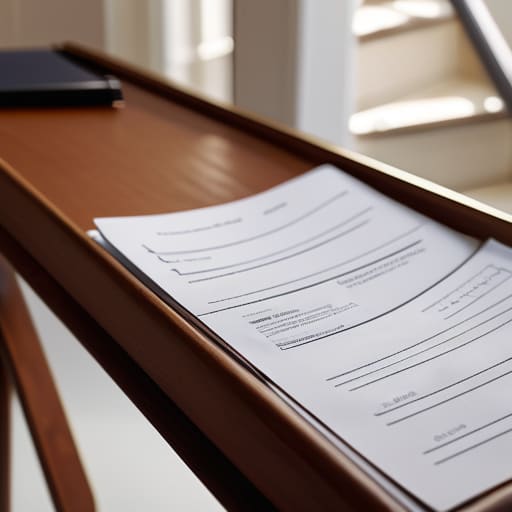
Once you’ve got your committee assembled, you have to stop treating the council like a single, monolithic entity. They operate through a very rigid hierarchy of council complaint stages, and if you try to jump straight to the top, you’ll find the door firmly bolted. Most people make the mistake of sending a frantic, rambling email to a councillor and wondering why nothing happens. In reality, you need to follow their internal ladder step-by-step. Start with the informal stage—that’s the polite enquiry—but if that fails, you must move to a formal written grievance.
The trick is knowing when to stop pushing the same button. Every local authority has specific council complaint response times they are legally bound to meet; if they miss these deadlines, that is your leverage. Document every missed date in your minutes. If you exhaust their internal process and they still give you the runaround, that is when you look toward the local government ombudsman role. They aren’t there to do the work for you, but they are the final referee when the system itself has broken down.
Weaponizing Your Paper Trail When Filing a Formal Complaint With Council
Now, this is where most groups stumble. They send a frantic email, get a polite but useless reply, and then simply give up. If you want to actually succeed in resolving disputes with local council officials, you have to stop treating your correspondence like a casual chat and start treating it like a legal dossier. Every time you speak to a councillor or a department head, write it down immediately. Note the date, the time, the person’s name, and exactly what was promised. If they tell you over the phone that a pothole will be fixed by Tuesday, follow up with an email that says, “Just to confirm our conversation at 10:15 AM…” This creates a continuous, unbroken chain of evidence that they cannot simply shrug off.
When you finally reach the stage of filing a formal complaint with council officers, your “paper trail” becomes your most potent weapon. Don’t just send a list of grievances; send a chronology of failures. By presenting a clear timeline of every missed deadline and ignored request, you make it incredibly difficult for them to hide behind bureaucratic jargon. If they fail to respect the established council complaint response times, you don’t just wait quietly; you point to their own policy and demand an explanation. You aren’t being difficult; you are simply holding them to their own standards.
Demanding Answers and Tracking Those Elusive Council Complaint Response Tim
Once you’ve sent that formal letter, the silence can be deafening. It’s easy to feel like your grievance has just vanished into a black hole in the Town Hall, but you cannot afford to let the momentum stall. Every local authority has a set of internal deadlines for council complaint response times, and you need to hold them to them like a hawk. I’ve seen too many good neighborhood initiatives wither away simply because the committee lost heart while waiting for a reply that never came. Don’t wait for them to find you; set a calendar alert for their promised deadline and prepare your next move the moment it passes.
If they miss their window, don’t just send a polite nudge. This is where you remind them that you are following the established local authority grievance procedure to the letter. If the response is inadequate or, more likely, non-existent, you must be ready to escalate. This is the point where you mention the local government ombudsman role in your next correspondence. Sometimes, just letting them know you understand the path to an external investigation is enough to get a clerk to finally pick up the phone.
Calling in the Big Guns the Local Government Ombudsman Role
Now, if you’ve followed every step of the local authority grievance procedure and you’re still hitting a brick wall, don’t assume the game is over. Sometimes, despite your best efforts and a perfectly documented paper trail, the council simply refuses to budge. This is where you stop knocking on their front door and start looking toward the Local Government Ombudsman. Think of them as the referee stepping onto a pitch when the players have stopped listening to one another. They don’t exist to help you get your way, but they are there to ensure the council has acted fairly, reasonably, and legally.
Before you go running to them, however, you must be certain you’ve exhausted all the official council complaint stages. The Ombudsman won’t look at your case if you haven’t received a final response letter from the council itself. It’s a common mistake I see in my old committee minutes: groups jump to the higher authorities too early, only to be sent right back to the start. You need to prove you’ve given the council every chance to fix their mistake first. Once you have that final “deadlock” letter, you have the leverage to bring in the professional oversight needed to finally resolve the matter.
Five ways to keep your committee from spinning its wheels
- Never go it alone; if you turn up at the town hall by yourself, you’re just a nuisance, but if you show up with five signed letters from five different households, you’re a constituency.
- Keep a physical folder for every single interaction, because when a council officer tells you “we’ll look into it” over a cup of tea, you need to write down the date, the time, and exactly what they promised.
- Stop using emotional language in your emails; the council won’t care if you’re “furious” or “devastated,” but they will find it very hard to ignore a calm, numbered list of specific policy failures.
- Assign one person in your group to be the “Secretary of Record” whose only job is to ensure every complaint sent out is logged in your group’s master file, so you don’t lose the thread six months down the line.
- Always demand a reference number for every single phone call or web form submission, because without that number, your complaint effectively doesn’t exist in their system.
The power of the paper trail
A single voice shouting at a council officer is just noise they can tune out, but a formal complaint backed by a committee’s meticulous records? That’s a document they have to file, respond to, and respect.
Deborah Castellanos
Final Thoughts Before You Get to Work
We have covered a lot of ground, from moving past the casual sidewalk grumble to understanding the rigid, often frustrating stages of the official grievance procedure. Remember, the secret isn’t just in being loud; it is in being methodical. You need that committee of six, a clear paper trail of every email and phone call, and a firm grasp of when to escalate a matter to the Ombudsman. If you try to fight the council as a lone, frustrated individual, they will simply wait for you to tire out. But if you approach them with a structured, documented collective voice, you become a variable they cannot easily ignore.
I have spent thirty-one years watching how local government breathes, and I can tell you that they are not monsters, but they are bureaucratic by design. They rely on people giving up when the paperwork gets heavy or the response times stretch too long. Don’t let that happen. Use the tools we’ve discussed to turn your frustration into a formal, unstoppable momentum. When you finally get that resolution—whether it’s a repaired streetlight or a new community garden—remember that it wasn’t luck that got you there. It was your refusal to let the details slip through the cracks. Now, get your committee together and get writing.
