

I remember standing in the middle of a community garden cleanup back in ’98, staring at a mountain of single-use plastic bunting and half-empty water bottles that were destined for the landfill before the sun had even set. It’s a heartbreaking sight, especially when you’re trying to build something meaningful for the neighborhood. There is this exhausting misconception that you need a massive professional catering budget or a fleet of specialized recycling trucks to do things right. In reality, learning how to run a free event sustainably isn’t about high-tech solutions or expensive green consultants; it’s about the practical, common-sense choices a small group of neighbors can make with nothing but a bit of foresight and some sturdy reusable crates.
I’m not here to give you a lecture on global climate models or wrap your project in layers of bureaucratic jargon. Instead, I’m going to share the exact, unvarnished methods I’ve used over thirty years in local government to keep community projects tidy and respectful of our streets. I will show you how to organize your committee to minimize waste without breaking the bank, ensuring your event leaves a lasting social impact rather than just a pile of rubbish for the council to collect.
The Six Person Powerhouse How to Run a Free Event Sustainably
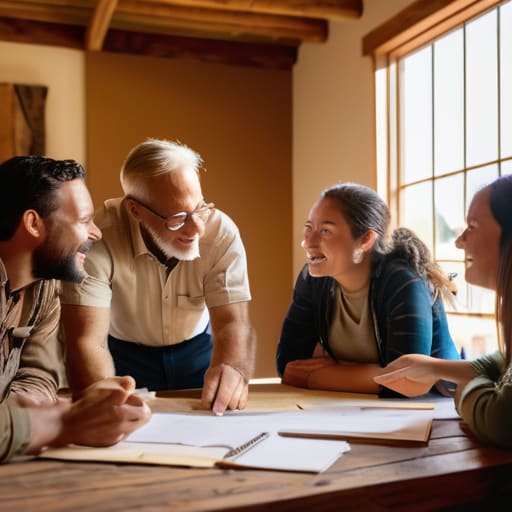
Now, I’ve always said that you don’t need a massive council budget to make a splash; you just need the right people in the room. When I was working in regeneration, I saw so many wonderful ideas wither away simply because the workload crushed the volunteers. To keep things manageable, I swear by a core team of six. You need one person on the books, one on the “boots on the ground” logistics, and a few others to handle the outreach. By minimizing event overhead costs from the very start—say, by using the church hall instead of renting a marquee—you ensure that every penny you raise actually goes toward the community benefit rather than disappearing into administrative holes.
Once your little team is set, the next hurdle is the money. You won’t find much luck with big corporate sponsors for a street party, so I suggest looking closer to home. I’ve found that crowdfunding for community gatherings works wonders when you tap into the local pride of your neighbors. People are much more willing to chip in five pounds if they see a clear, written plan for how that money will be used. It’s about building trust through transparency, not fancy spreadsheets.
Scrappy Math Minimizing Event Overhead Costs Without Losing Soul
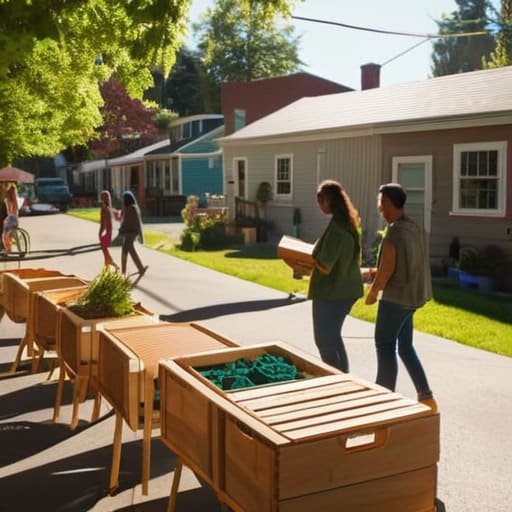
When I was working in local government, I saw so many lovely ideas wither away simply because the organizers tried to act like a massive charity from day one. You don’t need a fancy spreadsheet or a professional accountant to get started. In fact, the secret to minimizing event overhead costs is to look at what you already have sitting in your neighbors’ garages or garden sheds. Instead of renting a marquee or buying a hundred plastic chairs, I always suggest a “tool and kit library” approach. Ask the street who has a folding table, who has a heavy-duty extension lead, and who has a gazebo. It’s not about being cheap; it’s about respecting the resources we already possess.
Once you’ve stripped the event down to its bare essentials, you can look at the small gaps that remain. This is where sustainable event budgeting becomes a bit of an art form. Rather than chasing massive corporate sponsors—which often comes with too many strings attached—try looking for local “micro-sponsorships.” Maybe the corner shop will donate the napkins in exchange for a handwritten thank-you sign, or the local printer might do your posters for the price of the paper. It keeps the soul of the event firmly in the community, rather than in a boardroom.
Fueling the Dream Smart Event Sponsorship Strategies for Neighbors

Now, I know what you’re thinking: “Deborah, if we want to keep things free, we can’t be asking for money.” But there is a massive difference between begging for handouts and building partnerships. When I was working in local government, I saw so many wonderful ideas wither away simply because the organizers were too shy to ask for help. You aren’t asking for charity; you are offering a local business a chance to show they actually care about the street they operate on. Instead of looking for big corporate checks, focus on hyper-local event sponsorship strategies. Ask the local bakery if they’ll donate the leftover sourdough for the morning tea, or see if the hardware store will lend you the trestle tables in exchange for a shout-out on your flyer.
If you do need actual cash to get the wheels turning, don’t overlook crowdfunding for community gatherings. A simple, honest appeal to the neighbors—explaining exactly where every penny goes—can work wonders. People are much more willing to chip in five pounds if they know it’s specifically for the compost bins or the reusable plates. It’s about transparency and shared ownership. When the neighbors feel like they’ve contributed to the pot, they don’t just show up; they stay to help clean up.
From Pockets to Projects Crowdfunding for Community Gatherings
When you’re working with a tiny committee, you quickly realize that even “free” events have hidden costs, like insurance or a few extra folding chairs. This is where crowdfunding for community gatherings becomes a lifesaver. I’ve seen many lovely neighborhood ideas wither away simply because people were too shy to ask for five pounds here or ten pounds there. Don’t think of it as begging; think of it as giving your neighbors a way to actually own a piece of the afternoon. Whether you use a local Facebook group or a platform like GoFundMe, the trick is to be incredibly specific about what the money buys. People don’t want to fund “an event,” but they will happily chip in twelve pounds to ensure there is enough tea and biscuits for the elderly residents on the corner.
It’s also a wonderful tool for community engagement for non-profit events because it builds momentum before the first bunting is even hung. When neighbors see the pot growing, they feel a sense of collective investment. It turns a group of strangers into a team with a shared goal. Just remember to keep your promises: if you raised money for a local musician, make sure that musician is the star of the show.
The Paper Trail Securing Event Grants and Local Support
Now, I cannot stress this enough: if you don’t write it down, it didn’t happen. When I was working in local government, I saw countless brilliant ideas wither away simply because the person with the vision left and took the “mental notes” with them. When you are securing event grants, your greatest asset isn’t just a good idea; it is your history of stewardship. Keep a simple folder—digital or physical—that tracks every penny spent and every volunteer hour contributed. Local councillors and small trust funds love seeing a paper trail that proves you aren’t just throwing a party, but are actually practicing disciplined community engagement for non-profit events.
When you approach a local foundation for support, don’t just ask for money; show them your blueprint. Bring a copy of your previous minutes or a simple budget sheet that demonstrates your commitment to sustainable event budgeting. Showing them that you have already mastered the art of minimizing costs makes you a much safer bet for their funds. They want to see that their contribution will be the spark that lights the fire, not just a temporary patch for a leaky bucket.
Lasting Impact Community Engagement for Non Profit Events That Stick
The biggest mistake I see in my old regeneration files is the “one-and-done” mentality. A group spends six months planning a lovely street party, everyone has a wonderful time, and then… nothing. The momentum vanishes because nobody planned for the Tuesday after the event. True community engagement for non-profit events isn’t about the day of the celebration; it’s about what you do with the momentum you’ve built. I always tell my neighbors that a successful event should act as a bridge, not a destination. You need to use that high point to recruit your next three committee members or to launch a small, ongoing project, like a community garden or a monthly tidy-up.
Don’t let the magic evaporate just because the bunting comes down. I’ve found that the most resilient groups use their post-event energy to refine their sustainable event budgeting for the next year. Instead of just saying “thank you,” send a simple note to everyone who helped, noting exactly what was achieved. If you can show people that their small contribution led to a tangible change on the street, they’ll be much more likely to support your next round of crowdfunding for community gatherings.
Five Ways to Keep Your Event Green Without Breaking the Bank
- Don’t bother with fancy printed programmes; they end up in the bin before the first speech is finished. Just print a few large A3 signs on recycled card for the key information, or better yet, ask everyone to check a single shared WhatsApp group or a chalkboard for the schedule.
- When it comes to refreshments, the “bring your own mug” rule is your best friend. I’ve seen many a lovely street party ruined by a mountain of single-use plastic cups, so tell your neighbours in the invitation that it’s a BYO-cup affair—it saves money and keeps the local bin collection from overflowing.
- Borrowing is always better than buying. Before you spend a penny on folding chairs or trestle tables, send a quick message to the local community Facebook group or the church noticeboard. Chances are, three people on your street have extra garden chairs gathering dust in their sheds.
- If you are planning a community lunch, steer clear of pre-packaged individual portions. It’s much more sustainable—and much more social—to set up a large communal buffet with big serving bowls. It encourages people to actually talk to one another while they serve themselves.
- Keep a simple “Lend and Return” logbook. I know it sounds like a bit of a chore, but if you’re borrowing equipment from neighbours, write down exactly what was taken and who has it. It prevents that awkward moment at the end of the day when you can’t remember who walked off with the heavy-duty extension lead.
The Real Meaning of Sustainability
Sustainability isn’t about having a massive endowment or a fancy green certificate; it’s about making sure that when the last chair is folded and the tea urn is emptied, you haven’t left a mess—financial or physical—that the next group has to clean up.
Deborah Castellanos
Keeping the Momentum Going
Looking back at everything we’ve discussed, it really does come down to the basics. We’ve talked about building that core committee of six, keeping your overheads low by focusing on what actually matters, and finding those clever ways to fundraise through local sponsors or small grants. It isn’t about having a massive treasury or a professional event planning team; it’s about being resourceful with what you have and making sure you keep a clear record of how things were done. Whether you are managing a shared bank account or coordinating a zero-waste street party, the goal is to keep the logistics simple so the community spirit can take center stage. If you write down your process as you go, you won’t find yourself starting from scratch when the next group takes over.
At the end of the day, these events are about more than just a free afternoon in the park or a shared cup of tea. They are the building blocks of a stronger, more connected neighborhood. I have seen so many wonderful projects flicker out simply because people forgot to document their successes, but I also know that a small, organized group can do remarkable things. Don’t let the fear of a messy spreadsheet or a tiny budget hold you back. Just get started, keep your eyes on the people, and remember that every great movement started with just a few neighbors and a very clear set of minutes.
