

I remember sitting in a drafty community hall during a neighborhood street party back in ’98, watching a toddler trip over a loose paving stone. The panic wasn’t because we didn’t have a bandage; it was the sudden, freezing realization that nobody actually knew who was in charge of the kit or if we were even allowed to use it. Most people think that figuring out how to arrange first aid cover requires a massive budget or a professional medical team on standby, but that’s a expensive myth that keeps small groups from acting. You don’t need a mountain of paperwork to start; you just need a plan that doesn’t fall apart the moment someone actually gets a scrape.
I’ve spent thirty years watching local committees succeed and, more importantly, watching them crumble because they lacked a paper trail. In this guide, I’m going to skip the bureaucratic fluff and tell you exactly how to get your street sorted. I will show you how to identify who has the skills, how to fund a decent kit without breaking the bank, and—most importantly—how to write it down so the next person knows what to do.
The Blueprint How to Arrange First Aid Cover With Purpose
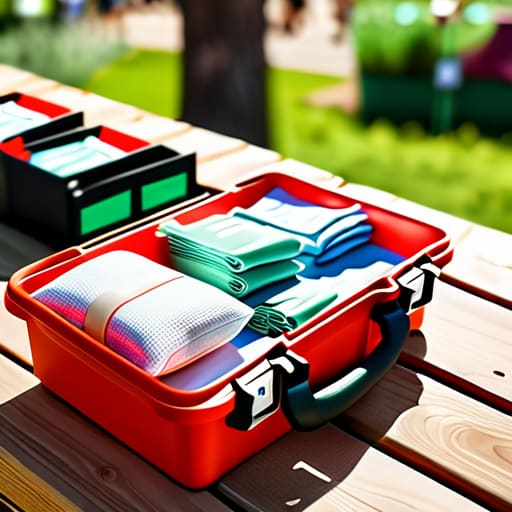
Now, you can’t just buy a box of plasters and call it a day. If you’re organizing a street fair or a community garden project, you need a bit of a skeleton in place. I always tell people to start by looking at who is actually going to be there. If it’s just a few neighbors, you might just need a well-stocked kit and a clear plan. But if you’re hosting a larger event, you need to look into emergency medical response planning so you aren’t scrambling when someone trips on a loose paving stone.
Don’t get bogged down in the heavy jargon used by big corporations, but do pay attention to the basics of selecting first aid training providers who actually teach practical skills rather than just handing out certificates. You want people who know how to stay calm when the tea is spilling and someone is actually hurt. My advice? Aim for at least two people who feel confident in their training. It’s not about following strict workplace health and safety compliance like a massive firm would, but it is about making sure your neighbors feel looked after.
Beyond Compliance Mastering Workplace Health and Safety Protocols
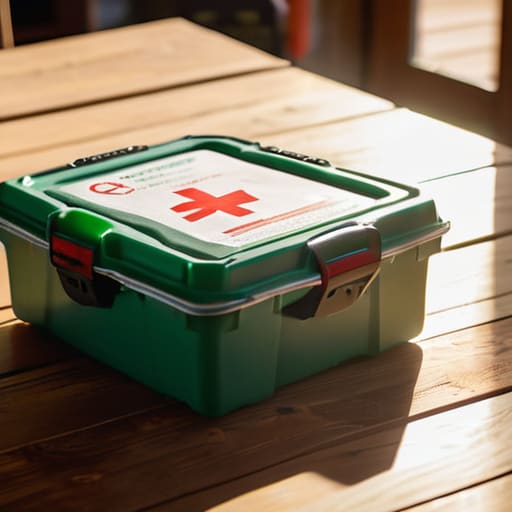
Now, I know what you’re thinking—this sounds like the kind of dry, bureaucratic paperwork that makes people want to skip the committee meeting entirely. But if you’re running a community workshop or a local pop-up cafe, you aren’t just playing at being a club; you are responsible for the people in that room. It isn’t just about ticking a box for workplace health and safety compliance; it’s about knowing exactly what to do when the adrenaline hits and the room goes quiet. I spent decades in local government seeing how quickly a good initiative can be shut down by a single avoidable accident, usually because someone assumed “common sense” was a substitute for a plan.
You don’t need a massive HR department, but you do need a clear set of occupational health first aid protocols that everyone actually understands. This means more than just hanging a poster on the wall. It means deciding, quite simply, who is actually qualified to step forward if someone faints or trips. When you are selecting first aid training providers, don’t just look for the cheapest certificate; look for the ones who teach people how to stay calm when things go wrong. That is the difference between a group that survives a mishap and one that falls apart.
Counting Heads Calculating Your Emergency Cover Staffing Ratios

Now, don’t let the math intimidate you. When I was working in local government, I saw so many well-meaning neighborhood projects stall because they didn’t realize that “enough” people isn’t a feeling—it’s a number. You can’t just assume that because three people in the committee know how to use a bandage, you’re covered. You need to look at your emergency cover staffing ratios through the lens of your actual gathering. If you are hosting a quiet gardening workshop for ten people, one trained individual is plenty. But if you’re organizing a street fair with a hundred neighbors, you need a more robust plan.
I always tell people to look at their specific risks. A group of seniors sitting in a church hall has very different needs than a youth football club. You aren’t just checking boxes for workplace health and safety compliance; you are making sure that if someone faints or trips, there is a calm, trained hand ready to step in. Map out your peak numbers—the maximum number of people you expect at any single moment—and ensure your ratio accounts for that surge. It’s much better to have one person standing idle than to be caught short when it actually matters.
Choosing Your Guardians Selecting First Aid Training Providers
Now, when you start looking at selecting first aid training providers, don’t just go for the cheapest certificate that pops up in a Google search. I’ve seen too many lovely community projects stumble because they hired a trainer who taught “box-ticking” rather than actual, hands-on confidence. You want someone who understands that a local garden club or a street market isn’t a corporate office. Look for instructors who can explain things in plain English and who actually care about the practicalities of your specific setting.
You also need to ensure their curriculum aligns with your broader emergency medical response planning. It isn’t just about learning how to put on a plaster; it’s about knowing how to stay calm when the adrenaline hits. If you are running a more formal group, check that their training meets the necessary workplace health and safety compliance standards, but always prioritize the human element. If the trainer can’t make the skills stick in a real-world scenario, they aren’t the right fit for your committee.
The Toolkit Meeting Essential First Aid Kit Requirements
Now, I’ve seen many a well-meaning community garden project grind to a halt because someone tripped over a rogue trowel and nobody had a single plaster to hand. It isn’t enough to just buy a plastic box from the local chemist and tuck it under a desk. If you want to meet actual first aid kit requirements for business—or even just for a busy community hall—you need to look at what’s actually inside. You need more than just a handful of sticky bandages; you need sterile wipes, eye wash, triangular bandages, and a decent pair of scissors. I always tell my neighbors: if you wouldn’t trust it to fix a scrape on your own grandchild, it shouldn’t be in your kit.
The real trick is the upkeep. I once sat through a parish meeting where we realized our “emergency kit” was actually just a box of expired aspirin and a damp roll of tape from 1994. To avoid that embarrassment, you must treat your kit as a living document. Check the expiry dates every three months, and keep a simple logbook inside the lid. This isn’t just about being tidy; it’s a fundamental part of your emergency medical response planning. When things go wrong, you don’t want to be hunting for a working thermometer.
The Response Plan Solidifying Your Emergency Medical Response
Now, having the kits and the trained people is one thing, but having a plan that actually works when the adrenaline hits is quite another. I’ve seen so many lovely community projects stall because, in the moment of a crisis, everyone looked at each other asking, “What happens next?” You cannot leave your emergency medical response planning to chance or good intentions. You need a written, step-by-step sequence that even a panicked volunteer can follow. This means knowing exactly who calls the ambulance, who grabs the specific kit we discussed, and who clears the path for the paramedics to reach the scene without tripping over folded chairs or garden tools.
I always tell my committees: write it down as if you aren’t there. A simple, one-page flow chart kept in a brightly coloured folder is worth more than a hundred-page manual sitting on a dusty shelf. It’s not just about meeting basic workplace health and safety compliance; it’s about ensuring that when a neighbor falls, the response is calm and coordinated. If you haven’t practiced the drill, you haven’t really made a plan.
Five Practical Ways to Make Sure Your First Aid Plan Actually Works
- Don’t just file the paperwork and forget it; you need a rota that people actually follow, or you’ll end up with a kit sitting in a cupboard while everyone else is looking the other way.
- Assign one person—just one—to be the “kit warden” who checks the expiry dates on the antiseptic wipes every three months, because things go missing or dry out faster than you’d think.
- Make sure your training isn’t just a one-off certificate gathering exercise; run a quick five-minute “what if” scenario at your next committee meeting to keep the practical steps fresh in everyone’s minds.
- Keep a physical, laminated list of emergency numbers and the location of your kit in a place where even a panicked teenager can find it without asking questions.
- Always record who was trained and when they did it in your group’s minute book, because three years from now, nobody will remember who actually knows how to use a defibrillator.
## The Real Cost of Silence
“We often wait for an official body to step in, but community safety isn’t something that just happens by decree; it happens when six neighbors decide to stop assuming someone else has the kit and finally write down exactly who is responsible for it.”
Deborah Castellanos
Getting it Done: From Paper to Practice
We have covered a lot of ground, from calculating the right number of people on duty to ensuring your kits aren’t just gathering dust in a cupboard. It can feel a bit daunting to move from a simple idea to a formalised plan, but remember that you don’t need a professional medical team to make a difference; you just need a structured approach. By selecting the right training providers and, most importantly, documenting exactly who is responsible for what, you move from being a group of well-meaning neighbours to a resilient community unit. If you don’t write down your emergency protocols now, you’ll find yourself scrambling when a real crisis hits, and that is a mistake I have seen too many good committees make.
At the end of the day, arranging first aid cover isn’t about filling out forms or ticking boxes for the sake of it. It is about the quiet, steady confidence that comes from knowing your street is looked after. When you have your six people, your bank account, and your trained volunteers in place, you aren’t just managing risk—you are building trust. A community that knows how to look after its own is a community that stays together. So, grab your notebook, call that meeting, and start building your safety net today.
