

I remember standing in a drafty church hall back in ’94, watching a perfectly good community garden project fall apart because the volunteers had no idea who was supposed to be holding the keys. We had all the passion in the world, but we lacked a simple, clear plan for how to brief stewards before the gates even opened. People think you need a thirty-page manual or a professional consultant to get people moving, but that’s just a recipe for expensive confusion. All you really need is a bit of clarity and a way to make sure everyone knows exactly where they stand before the first shovel hits the dirt.
I’m not here to give you any of that polished, corporate nonsense you find in management textbooks. Instead, I’m going to share the practical, hard-won lessons I picked up during thirty-one years in local government. I will show you how to keep your briefings short, sharp, and actionable so your team feels empowered rather than overwhelmed. My goal is to help you build a group that actually stays together because they finally understand how things work.
Beyond the Clipboard How to Brief Stewards for Real Impact
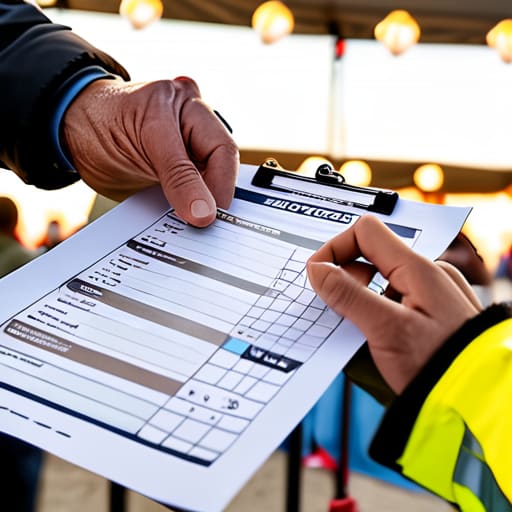
Now, I’ve seen plenty of well-meaning volunteers turn up with nothing but a high-vis vest and a vague sense of duty. That is a recipe for chaos. If you want your group to actually make an impact—rather than just standing around looking lost—you have to move past the idea of a simple handover. You aren’t just giving them a list of names; you are giving them the confidence to hold the line. A proper steward training checklist shouldn’t just be a piece of paper they tick off; it needs to be the foundation of their authority on the day.
When you sit them down, don’t just recite a list of rules. Talk to them about the why behind the task. If they understand the reason for certain crowd management instructions, they’ll handle a difficult person with much more grace than if they’re just blindly following an order. I always tell my committees: clarity is kindness. If you leave them guessing about their operational duties for stewards, they will hesitate when things get busy, and that’s exactly when mistakes happen.
The Blueprint Essential Operational Duties for Stewards on the Ground

When I was working in local government, I saw so many well-meaning street festivals fall apart simply because the people on the ground didn’t know where they stood. You can’t just tell someone to “keep an eye out.” You need to give them a clear list of operational duties for stewards so there is no guesswork when things get busy. I always tell my committees: if a volunteer has to ask “what do I do now?” more than once, your briefing has failed. They need to know exactly which corners to watch, how to manage the rubbish bins, and where the first aid kit is tucked away.
It isn’t about being a drill sergeant; it’s about providing a sturdy framework. I find it incredibly helpful to hand out a simple steward training checklist during the morning huddle. This shouldn’t be a thick manual, but a single sheet that covers the essentials: arrival times, the location of the toilets, and who to call if a resident gets grumpy. When people have a clear map of their responsibilities, they feel empowered rather than overwhelmed, and that is when the magic really happens on the street.
Mastering the Protocol Safety Briefing Best Practices That Work

Now, we must talk about the serious side of things. I’ve seen too many lovely street parties turn into muddled messes simply because someone thought a quick “be careful” was enough. When you are dealing with the public, you cannot rely on intuition alone. You need a structured approach to your safety briefing best practices. I always tell my volunteers that a briefing isn’t a lecture; it’s about building a shared sense of responsibility. If they don’t understand the “why” behind the rules, they won’t follow them when things get busy.
Don’t just wing it on the morning of the event. I find it incredibly helpful to have a physical steward training checklist tucked into a clipboard. It keeps you on track and ensures you haven’t forgotten to mention the fire exit routes or the location of the first aid kit. Consistency is your best friend here. If every volunteer receives the same clear, calm instructions, they will feel much more confident stepping into their roles. It’s about removing the guesswork so they can focus on being helpful neighbors.
The Steward Training Checklist Equipping Your Six to Lead
I’ve seen far too many community festivals descend into chaos simply because the person in the high-vis vest didn’t actually know where the first aid kit was kept. To prevent that, you need a practical steward training checklist that focuses on reality rather than theory. Don’t just hand them a pile of paperwork; walk them through the actual site. I always tell my volunteers that they aren’t just standing there looking official—they are the eyes and ears of the street. They need to know exactly who to call if a child goes missing or if a stallholder has a spill.
When you sit your team down, keep the operational duties for stewards clear and concise. Instead of a long lecture, use a “what if” approach. What if the wind picks up? What if the crowd gets too thick near the stage? By running through these scenarios, you turn a nervous neighbour into a confident leader. It’s about building that muscle memory so that when the real pressure hits, they aren’t looking at you for permission—they are already moving to solve the problem.
Clear Signals Effective Communication for Stewards in the Chaos
When things get busy—and believe me, they always do—the biggest threat to your little committee isn’t a lack of funds; it’s a breakdown in how people talk to one another. I’ve seen many a lovely street party descend into confusion simply because the stewards were all working from different assumptions. You cannot rely on shouting over a crowd or hoping someone saw a hand gesture. You need clear, established signals that everyone understands before the first guest even arrives. Whether it’s a specific whistle blast or a simple two-way radio protocol, the method must be consistent.
Effective communication for stewards isn’t about long-winded speeches; it’s about brevity and clarity. When you are middle-of-the-pack in a crowd, you don’t have time for nuance. I always tell my teams to use the “Action-Location-Status” rule: tell them exactly what to do, where to do it, and what the current situation is. If you haven’t integrated these crowd management instructions into your initial briefing, you’ll find yourself playing catch-up all afternoon. Keep the messages short, keep them calm, and ensure everyone knows exactly who is making the final call.
Commanding the Space Crowd Management Instructions for Street Success
When you’re standing in the middle of a street transformed by a community festival, the energy is wonderful, but it can turn sour in a heartbeat if the flow breaks. You aren’t trying to run a military operation, but your stewards need to understand that they are the human anchors of the event. Instead of just telling them to “watch the crowd,” give them specific crowd management instructions that focus on movement. For example, tell them to look for “bottlenecks” near the food stalls or the narrowest part of the pavement. If people start bunching up, they shouldn’t wait for a committee meeting to act; they need to know exactly how to gently redirect the flow before a crush becomes a problem.
This isn’t about being heavy-handed; it’s about being observant. I always tell my volunteers that their primary operational duties for stewards in this area involve reading the room. If a group looks confused or a child looks lost, that’s the signal to step in. By integrating these small, proactive movements into their initial briefing, you ensure that the street stays a place for celebration rather than a site of frustration.
Five Rules for a Briefing That Actually Sticks
- Keep it short and keep it local. Nobody wants a lecture after a long day, so skip the fluff and focus on the specific corner of the street where they’ll be standing. If they know exactly which lamp post is their “station,” they’ll feel much more in control.
- Hand out something physical they can actually use. I’ve seen too many people rely on a WhatsApp message that gets lost in a flurry of notifications. A simple, laminated card with the emergency number and the two most important rules is worth more than any digital guide.
- Run a “what if” drill. Don’t just tell them what should happen; ask them what they’ll do if a car tries to turn into the pedestrian zone or if a neighbor gets a bit vocal. It’s much better to hash out those awkward scenarios in a quiet briefing than in the middle of a crowd.
- Make sure they know who to look for. A steward shouldn’t feel like they’re on an island. They need to know exactly which person in the committee is the “go-to” for a decision, so they aren’t left guessing when things get complicated.
- End with a check-in, not a monologue. Instead of asking “Does everyone understand?”, which usually just gets a polite nod, ask them “What’s the one thing you’re most worried about today?” It gets the real concerns out on the table before the first person arrives.
The Cost of Silence
I’ve seen more community projects fall apart from a lack of clear instructions than from a lack of funding; if you don’t give your stewards a clear sense of their purpose before the first person arrives, you aren’t leading a team, you’re just managing a crowd of confused volunteers.
Deborah Castellanos
Bringing It All Home
At the end of the day, briefing your stewards isn’t about handing out a stack of papers and hoping for the best; it’s about building a foundation of shared understanding. We’ve looked at everything from the granular operational duties to the vital safety protocols and those tricky communication lines that tend to fray when a crowd gathers. If you remember nothing else, remember that a well-briefed steward is a confident steward. When they know exactly where to stand, who to call, and how to manage the flow of people, they stop being nervous volunteers and start being the backbone of your community event. Don’t leave their success to chance—give them the clarity they deserve.
I’ve seen so many wonderful street parties and local festivals stumble, not because the idea was bad, but because the people on the ground felt adrift. They felt like they were winging it, and that’s when mistakes happen. But I also know that when you take those extra twenty minutes to sit down, look them in the eye, and walk through the plan, something shifts. You aren’t just managing a crowd; you are empowering your neighbours to take ownership of their own streets. It might feel like a lot of fuss for a few hours of work, but that structure is what allows the joy to happen safely. Get the briefing right, and you’ll find that your small committee can truly achieve something lasting.
