
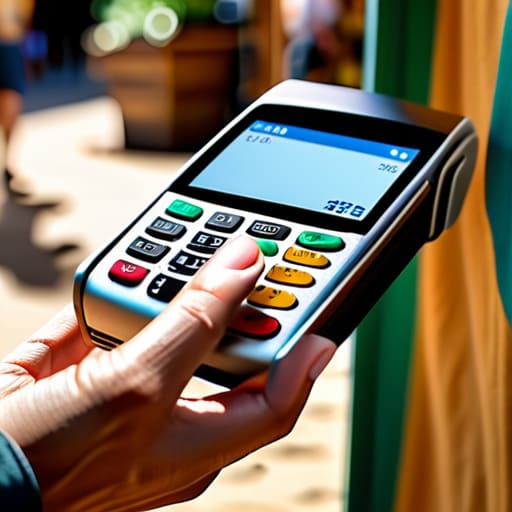
I remember the exact moment the summer fete for the West End community garden started to unravel. We had a lovely spread of homemade preserves and elderflower cordial, but as the midday rush hit, the atmosphere shifted from festive to frustrating. I stood there behind the trestle table, clutching a damp, half-empty tin of coins, watching a line of well-meaning neighbors drift away because they didn’t carry cash. It’s a heartbreaking sight when a good cause loses momentum simply because we haven’t figured out how to take card payments at an event. We spent all that time organizing the volunteers and the bunting, only to be tripped up by a lack of a simple plastic reader.
I am not here to sell you on some high-tech, expensive banking suite that requires a degree in computer science to operate. My goal is much simpler: I want to show you how to get your money in the bank without the headache. I’ll be sharing the practical, tried-and-tested methods I’ve used over thirty years of community work to ensure every penny raised actually makes it into your group’s account. Let’s get your committee sorted so you can focus on the people, not the pennies.
The Modern Ledger How to Take Card Payments at an Event

In my thirty years in local government, I saw plenty of wonderful community stalls fail simply because the treasurer was clutching a heavy, outdated cash box. If a neighbor reaches for their wallet and sees you only take coins, that’s a missed opportunity for your project. Nowadays, you don’t need a complex setup; most of us are moving toward portable card terminals that plug straight into a smartphone. These little devices are lifesavers when you’re running a bake sale or a summer fete, as they allow you to accept payments without a permanent shopfront.
When selecting your kit, I always suggest looking for reliable contactless payment solutions. They are incredibly intuitive—even for the less tech-savvy members of our committees—and they keep the queue moving. My main piece of advice is to ensure your device can handle a bit of a muddle; you want something that won’t freeze the moment the Wi-Fi signal drops near the village green. Keep it simple and keep it moving, because once that momentum is lost, it’s much harder to get the neighbors to chip in.
Beyond the Cash Box Selecting Your Event Merchant Services

Now, I’ve seen many a village fête stumble because the treasurer was stuck behind a table, clutching a heavy tin of coins and a crumpled notebook. It’s stressful for you, and it’s even more awkward for the person trying to buy a slice of Victoria sponge. When you’re looking at different event merchant services, don’t just go for the first thing that catches your eye in a glossy brochure. You need to think about your specific setup. If you’re running a small stall in a drafty church hall, a simple smartphone app might do the trick, but if you’re coordinating a larger street party, you might find more reliability in portable card terminals that don’t rely entirely on a shaky mobile signal.
The real trick is planning for the “what ifs.” We’ve all been there—the Wi-Fi drops out just as the tea and cake rush begins. I always suggest checking if your provider offers offline payment processing. It sounds a bit technical, but it essentially means the machine holds onto the transaction details and settles them once the connection returns. It keeps the queue moving and, more importantly, keeps the momentum going so your volunteers aren’t left standing there empty-handed.
The Mobile Edge Mastering Portable Card Terminals on Site

Now, if you’re running a street fair or a small village fete, you won’t be sitting behind a mahogany desk with a landline. You’ll be out there, likely dodging rogue footballs or managing a queue for tea, which means you need gear that can keep up with you. I’ve seen too many lovely community stalls lose out on sales simply because they couldn’t provide portable card terminals that actually work in the middle of a field. You want something small enough to slip into an apron pocket but sturdy enough to survive a bit of spilled lemonade.
When you’re selecting your kit, don’t just look at the price tag; look at the connectivity. There is nothing more disheartening than a volunteer standing there, staring at a “connection failed” screen while a line of hungry neighbours grows longer. I always suggest looking into contactless payment solutions that can handle a bit of a squeeze. And a word of advice from my years in local government: always check if the device supports offline payment processing. If the mobile signal drops out behind the church hall, you don’t want your entire afternoon’s fundraising to vanish into thin air.
Frictionless Streets Deploying Rapid Contactless Payment Solutions
When we’re out on the street—whether it’s a summer fête or a small neighbourhood market—the last thing you want is a queue of frustrated neighbours staring at their watches because the connection has dropped. I’ve seen many a lovely community stall falter simply because the technology couldn’t keep up with the momentum. This is where choosing contactless payment solutions that offer offline payment processing becomes a lifesaver. It means if the local Wi-Fi decides to take a nap, you can still tap away, and the transactions will simply sync up once you’re back in range of a steady signal.
It isn’t just about the hardware, though; it’s about the flow of the day. If you’re managing something larger, like a seasonal fair, you might find that mobile point of sale systems integrated with a smartphone are much easier to tuck into an apron pocket than a bulky machine. I always tell my committees: keep it simple and keep it moving. If a transaction takes more than ten seconds, you’ve lost the magic of the moment. Aim for tools that feel like a natural extension of your conversation, not a barrier to it.
Small Teams Big Tech Implementing Mobile Point of Sale Systems
Now, I know what some of you are thinking: “Deborah, we’re just a group of six volunteers, not a high-street retailer.” But that’s exactly why you should look into mobile point of sale systems. In my years working on regeneration projects, I saw so many lovely community stalls fail simply because they couldn’t handle a transaction. You don’t need a bulky till or a permanent shopfront; a small, handheld device paired with a smartphone is often enough to get the job done. It keeps things tidy and, more importantly, it keeps the queue moving.
One thing I’ve learned from watching local fetes go sideways is that connectivity can be a fickle friend. If you are setting up a stall in a park or a drafty church hall, you cannot rely on a perfect 4G signal. When selecting your kit, do ask about offline payment processing capabilities. It is a bit of a lifesaver when the signal drops out during a sudden rush of neighbors. Having that safety net means you won’t have to turn away a sale just because the local mast is acting up.
The Unbroken Flow Securing a Payment Gateway for Festivals
When you’re managing a street fair or a local festival, the last thing you want is a sudden bottleneck at the tea tent because the internet has decided to take a nap. I’ve seen many a lovely community afternoon sour because the queue grew so long that people simply gave up and walked away. This is where choosing a reliable payment gateway for festivals becomes less about high finance and more about maintaining the spirit of the day. You need a system that is robust enough to handle a sudden rush of neighbors all wanting to pay at once, without the technology becoming a barrier to the fun.
If your venue is a bit tucked away—perhaps that patch of parkland with the patchy signal—you must ensure your provider offers offline payment processing capabilities. It is a lifesaver. It allows your volunteers to keep scanning transactions even when the 4G drops out, syncing everything up once the connection returns. By pairing these reliable gateways with portable card terminals, you ensure that the momentum of your event remains steady. After thirty years in local government, I’ve learned that the most successful projects are the ones where the logistics are so seamless that nobody even notices they are happening.
Five Practical Rules for Keeping the Money Moving
- Test your connection before the first stall opens. There is nothing quite as disheartening as a queue of hungry neighbors and a “No Signal” message on your terminal; walk the site with your device to ensure you aren’t standing in a dead zone.
- Always keep a small amount of physical change in a locked box, even if you are going digital. Occasionally, a neighbor will insist on a twenty-pound note for a fifty-pence item, and you don’t want a lack of coins to stall your momentum.
- Designate one person as the “Tech Lead” for the day. It shouldn’t fall on the person serving the tea to also troubleshoot a connectivity issue; assign one committee member to be the go-to for any device hiccups.
- Keep your receipts organized from the very start. I have seen too many good community projects stumble because the treasurer couldn’t reconcile the digital sales with the actual bank deposit at the end of the month.
- Don’t forget the power banks. A mobile reader is only useful if it has a charge, and between the sun and the constant tapping, those batteries tend to die much faster than you’d expect during a busy afternoon.
The Cost of a Closed Cash Box
I’ve seen too many wonderful street fairs lose their momentum simply because someone forgot to bring enough change, or worse, because a neighbor wanted to donate but didn’t carry a heavy wallet. If you make it difficult for people to give you their money, they simply won’t. A simple card reader isn’t just a piece of technology; it’s a way to ensure that a neighbor’s generosity actually makes it into your committee’s bank account.
Deborah Castellanos
Final Thoughts for the Committee
When we look back at the logistics of a successful community event, it isn’t the grand speeches that stick in my mind, but the quiet efficiency of the stalls. Whether you decided on a robust mobile terminal for the main gate or opted for the simplicity of a smartphone-based reader for the bake sale, the goal remains the same: removing the hurdles between a neighbor’s generosity and your group’s bank account. By choosing the right merchant services and ensuring your team feels confident with the technology, you avoid that dreaded mid-afternoon scramble for change or the frustration of a “cash only” sign that turns people away. It is about building a reliable system that works behind the scenes, so you can focus on the people in front of you.
I have seen many wonderful neighborhood initiatives lose their steam simply because the finances became a headache or, worse, a source of confusion. Don’t let the digital side of things intimidate you; technology is just another tool in your kit, much like a well-kept minute book or a sturdy tea urn. If you set up your payment systems with care, you aren’t just collecting funds; you are securing the future of your project. Once the ledger is balanced and the digital transactions are flowing smoothly, you’ll find you have much more energy to focus on what truly matters: making your street a better place to live.
