

I spent thirty years in local government, and if there is one thing I’ve learned, it’s that nobody wants to read a dusty, academic tome that reads like a tax audit. I once sat through a three-hour presentation by a professional historian about our parish’s drainage systems in 1994, and I can tell you right now: everyone fell asleep. If you want to figure out how to write local history people read, you have to stop acting like a textbook and start acting like a neighbor. People don’t care about the exact date a cobblestone street was laid; they care about the scandal that happened in the pub next to it.
I’m not here to give you fancy literary theories or tell you to hire a professional researcher. My approach is much more practical, born from decades of seeing community projects thrive or wither away based on how they communicate. I am going to show you how to strip away the jargon and focus on the human heartbeat of your town. We are going to talk about finding the stories that actually matter and, more importantly, how to document them so they stay alive for the next generation.
Understanding How to Write Local History People Read

The biggest mistake I see is people treating local history like a dry police report. If you just list names, dates, and property transfers, you’ll end up with a dusty folder that nobody—not even the people who lived there—will bother to open. To get people to actually care, you have to move away from the dry statistics and focus on connecting past to present. People don’t care about the exact year a well was dug; they care about the woman who stood by it every morning for forty years, sharing the gossip that kept the village running.
Instead of a lecture, think of it as engaging local community narratives. You aren’t just a researcher; you are a bridge. When you dig through those old parish records or scrapbooks, don’t just look for facts—look for the friction. Look for the arguments, the triumphs, and the oddities. By using basic storytelling techniques for historians, you can turn a simple record of a defunct committee into a living, breathing account of how your neighbors actually survived the hard times. That is how you turn a list of names into a legacy.
Key Things to Know

First, you have to stop thinking like a researcher and start thinking like a neighbor. When I was working in regeneration, I saw so many wonderful projects stall because the “official” reports were too dry to move anyone. If you want to keep a group interested, you need to focus on connecting past to present. People don’t care about the exact date a bridge was repaired in 1892 unless you can show them how that bridge shaped the way they walk to the shops today. It’s about finding the thread that ties their morning coffee to the lives of those who stood on that same corner a century ago.
Second, don’t get bogged down in the weeds of archival research for writers to the point where you lose the heart of the matter. You can have a folder full of parish minutes, but if you don’t use some basic storytelling techniques to bring those names to life, they’re just ink on a page. I always tell my committee members: find the person in the records. Find the shopkeeper who lost everything in the flood or the woman who organized the first street party. That is how you build a narrative that actually sticks.
Practical Tips and Steps
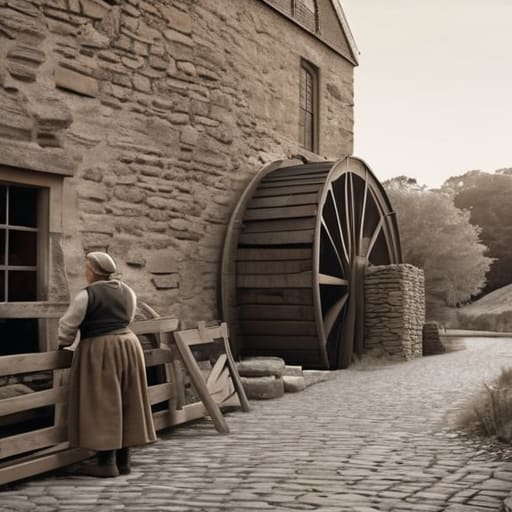
First, don’t get bogged down in the weeds of dates and dusty ledgers. While I spent years looking at council minutes, I learned quickly that a list of names and dates is just a list. If you want to actually keep a reader’s attention, you need to focus on connecting past to present. Ask yourself: how did this old mill affect the person walking past it today? When you find that link, you aren’t just reciting facts; you are building a bridge between generations.
Second, treat your subjects like people, not just entries in a census. The best way to move a crowd is through engaging local community narratives that highlight the small, human moments—the local shopkeeper who went bust during the war, or the family that lived in the same terrace for eighty years. You don’t need fancy academic training to do this. Just find the heartbeat of the story. If you can show how a person’s struggle or triumph mirrors what we face now, you won’t just have a reader; you’ll have a community that actually cares.
Common Mistakes to Avoid
The biggest trap I see—and I’ve seen it in dozens of defunct parish committees—is the tendency to treat a community project like a dry academic dissertation. People get so bogged down in the minutiae of archival research for writers that they forget they aren’t writing for a university faculty; they are writing for the person who buys milk at the corner shop. If you present a list of dates and names without any soul, you’ll lose your readers before they even finish the first paragraph. You have to stop acting like a filing cabinet and start acting like a neighbor.
Another mistake is failing at connecting past to present. It isn’t enough to say a building was built in 1892; you have to explain why that matters to the person walking past it today. When you ignore that link, you lose the chance to create engaging local community narratives that actually stick. Don’t just dump facts on the page; give people a reason to care about the ground they stand on. If there’s no heartbeat in the writing, there won’t be any community action to follow it.
Final Thoughts
At the end of the day, don’t get too caught up in the dust of the archives. I spent three decades in local government seeing wonderful projects wither away simply because they lacked a clear sense of purpose. If you want your writing to last, you have to focus on connecting past to present. People don’t just want a list of dates and names; they want to see how the person who owned the bakery in 1920 is somehow linked to the person running the coffee shop on the corner today.
If you can master a few basic storytelling techniques for historians, you won’t just be recording facts—you’ll be building a legacy. My advice is to keep it simple: find the human heartbeat in the records, write it down clearly, and make sure someone else can follow your footsteps. A well-documented history is more than just a hobby; it is the foundation for a community that actually knows itself. Now, go out there, grab your notebook, and start writing something that matters.
Five ways to keep your readers from nodding off
- Stop acting like a textbook. People don’t want a dry recitation of dates and council bylaws; they want to know who lived in the red house on the corner and why the old baker used to argue with the vicar. Find the human heartbeat in the archives.
- Focus on the “so what?” factor. If you’re writing about a new drainage system from 1892, don’t just list the dimensions. Tell me how it stopped the high street from turning into a swamp every November. Connect the past to the ground they are standing on right now.
- Use the “Kitchen Table Test.” Before you publish anything, read it aloud to a neighbor over a cup of tea. If they start looking at their watch or glazing over, you’ve gone too deep into the weeds. If they lean in and ask a question, you’ve found your hook.
- Don’t be afraid of the messy bits. A perfect, sanitized history is a boring one. People connect with the scandals, the failed projects, and the local eccentricities. The grit is what makes a community feel real and lived-in.
- Keep your sentences short and your language plain. I spent thirty years in local government, and I learned the hard way that big words don’t make you sound smarter—they just make people stop listening. Write like you’re explaining it to a friend at the church hall.
The Secret to a Living History
If you spend all your time fussing over exact dates and dusty census records, you’ll end up with a paperweight that sits on a shelf gathering dust. If you want people to actually read it, stop writing a textbook and start writing about why that old corner shop mattered to the woman who ran it, or why that crooked lane changed the way the neighbors spoke to one another. History isn’t a list of facts; it’s the glue that holds a street together.
Deborah Castellanos
A Final Word from the Committee Table
At the end of the day, writing local history isn’t about producing a dusty textbook that sits on a shelf gathering cobwebs. It is about finding the thread that connects a person living in number forty-two to the shopkeeper who stood on that same corner eighty years ago. We’ve talked about moving away from dry, academic dates and instead focusing on the human stories that actually make people stop scrolling. Remember to keep your language plain, your research grounded in real local life, and most importantly, ensure you are writing for your neighbors rather than for a museum curator. If you focus on the living connection between the past and the present, you won’t just be recording facts; you’ll be creating something people actually want to talk about at the garden gate.
I have seen too many wonderful community projects fizzle out simply because the people involved forgot why they started or, worse, forgot to record how they did it. Don’t let your research be one of those lost stories. Use what you write to build a bridge between generations and to give your neighbors a sense of shared ownership over their streets. If you can capture the spirit of your town in a way that feels personal and accessible, you aren’t just a writer—you are a custodian of community memory. So, grab your notebook, find your people, and start writing the history that your street deserves to remember.
