
I remember sitting in a drafty parish hall back in the nineties, watching a perfectly good community garden project fall apart because the committee spent three months arguing over whether a patch of land should be called “The Meadow” or “Green View.” They were so busy trying to sound important and official that they completely forgot to ask what the land actually was. People will tell you that learning how to research a field name requires a degree in local history or a massive budget for professional surveyors, but that’s just nonsense designed to make things feel more complicated than they are. You don’t need a consultant; you just need to know where the old paper trails are hidden.
I’m not here to give you a lecture on academic historiography or a list of expensive archives you’ll never visit. Instead, I’m going to show you how to do the real work using the tools you already have at your fingertips. I’ll walk you through the practical, boots-on-the-ground methods for digging up the truth, from squinting at old tithe maps to chatting with the neighbors who actually remember the old boundaries. My goal is to give you a clear, reliable roadmap so you can name your space with confidence and move straight on to the fun part: actually using it.
Understanding How to Research a Field Name

Now, before you go digging through dusty archives, you need to understand what you’re actually looking for. Researching a field isn’t just about finding a label; it’s about uncovering the layers of use that have built up over centuries. You aren’t just looking for a name; you are investigating the etymology of place names to see if a “Meadow” was actually a marsh, or if a “Close” was once a walled garden. It’s a bit like being a detective, but instead of fingerprints, you’re looking for shifts in how the land was managed.
The real gold, in my experience, lies in the parish tithe maps from the 19th century. These documents are a godsend because they link specific plots of land to the people who worked them and the crops they grew. If you want to do this properly, you have to look at how the boundaries shifted during various periods of enclosure. Don’t just settle for the first name you find on a modern map; the true history is often hidden in the transition between old agricultural holdings and the modern parcels we see today.
Key Things to Know

Now, before you start digging through dusty archives, there are a few realities you need to accept. First, names aren’t just arbitrary labels; they are often the only surviving echoes of how people lived on that patch of ground centuries ago. You aren’t just looking for a word; you are looking for the story behind the soil. This means you’ll likely need to look into parish tithe maps, which are absolute goldmines for seeing how land was divided and named before the modern era took over.
Secondly, don’t expect a single “eureka” moment. Finding the truth usually requires a bit of detective work across different types of evidence. You might find a name in a local oral history that contradicts what the enclosure act documentation says, and honestly, both could be right in their own way. Sometimes a name describes the physical shape of the field, while other times it’s tied to a specific family through genealogy and land ownership. It’s a bit of a jigsaw puzzle, but once the pieces click, you’ll have something much more substantial than just a label to present to your committee.
Practical Tips and Steps
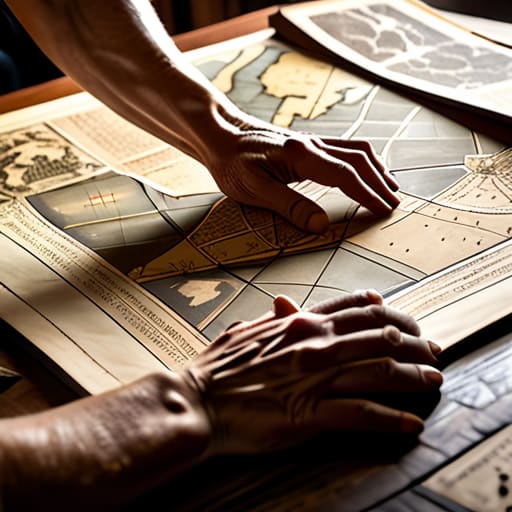
Now, let’s get down to the brass tacks of actually finding something useful. You don’t need a PhD to do this, but you do need a bit of patience and a sturdy pair of walking boots. I always suggest starting with the parish tithe maps if you can get your hands on them. They are a godsend for seeing how the land was divided back when things were a bit more straightforward. If those aren’t available, head straight to the local archives to hunt for enclosure act documentation. It’s a bit dusty, I’ll grant you, but those records act like a roadmap to the past, showing exactly where old boundaries used to sit before the modern hedges took over.
Once you’ve got your feet under the desk, try to connect the dots between the names and the people. A good way to narrow things down is to look into genealogy and land ownership records. Often, a field isn’t just named after a tree or a slope, but after the family that worked it for three generations. If you find a recurring surname in the old tenancy agreements, you’ve likely found your answer. Just remember to keep a tidy notebook of every scrap of paper you find; you’ll thank yourself later when you’re trying to explain your findings to the committee.
Common Mistakes to Avoid
The biggest blunder I see—and I’ve seen it in dozens of failed parish projects—is people jumping to conclusions based on a bit of local gossip. You’ll hear someone say, “Oh, that field has always been called Miller’s Acre because of the old mill,” and everyone nods in agreement. But if you don’t verify that through parish tithe maps or actual census data, you’re building your project on sand. Never mistake a family legend for a historical fact; local memory is wonderful, but it is notoriously fickle.
Another trap is getting so bogged down in the academic side of things that you forget why you started. I’ve met folks who spend three years studying the etymology of place names without ever actually talking to a neighbor or looking at a physical map. It’s easy to get lost in the weeds of genealogy and land ownership records, but remember: you aren’t writing a PhD thesis. If you spend all your energy on the “why” and forget to document the “what,” you’ll end up with a pile of beautiful notes that nobody in the community actually understands or cares about.
Final Thoughts
At the end of the day, digging into these old names isn’t just about satisfying a bit of curiosity; it’s about respecting the ground we walk on. When you finally piece together the story behind a patch of grass, you realize that every name is a tiny, preserved fragment of someone’s life. Whether you’ve been squinting at parish tithe maps or tracing the lineage of a family through old enclosure records, you’re doing more than just playing detective. You are ensuring that the identity of your neighborhood doesn’t just vanish into thin air because no one bothered to take notes.
I’ve seen too many lovely little community projects lose their sense of place because they lacked that foundational connection to the past. My advice? Don’t rush the process. Take your findings, write them down clearly, and share them with your committee. If you can link the etymology of a name to a tangible piece of local history, you’ve suddenly given your group something much more valuable than just a map—you’ve given them a sense of belonging.
Five ways to make sure your history actually holds water
- Don’t just trust the local gossip; head down to the county archives or the local library. Old maps—the ones drawn by hand before everything became a digital blur—often hold the real names that people have long since forgotten.
- Talk to the oldest residents on the street or near the field. There’s a specific kind of memory that lives in people, not books, and they might remember a name that was used for a specific crop or a particular family’s grazing rights.
- Look for the “paper trail” in old parish records or tithe maps. If you can find a mention of the land in a formal document from fifty or a hundred years ago, you’ve moved from guesswork into something much more solid.
- Check the old boundary markers. Sometimes a name isn’t just a word; it’s tied to a specific stone, a hedge, or a stream. Knowing the physical landmarks can help you confirm if the name you’ve found actually matches the ground you’re standing on.
- Keep a simple log of where you found each piece of information. I know it sounds tedious, but if a committee member asks, “How do we know it was called Miller’s Acre?”, you don’t want to be searching your memory—you want to be able to say, “Because the 1924 tithe map says so.”
## The Importance of the Paper Trail
“A field name isn’t just a label on a map; it’s a piece of local memory. If you don’t do the legwork to find out why a patch of land was called ‘The Old Orchard’ or ‘Miller’s End’ before you commit it to a sign, you aren’t just naming a space—you’re accidentally erasing a story that someone’s grandmother might have still been telling.”
Deborah Castellanos
A Final Word on the Paper Trail
At the end of the day, researching a field name is about more than just checking a box or satisfying a local council requirement. It’s about the careful work of connecting the dots between old tithe maps, dusty parish records, and the stories passed down through families. You’ve learned that you can’t just guess; you need to verify the lineage of a name to ensure it actually belongs to the land. Whether you are digging through local archives or chatting with the oldest resident on the lane, remember that the goal is to build a foundation of facts. By avoiding those common pitfalls—like relying on hearsay or overlooking the importance of written evidence—you ensure that whatever name you eventually settle on is rooted in truth.
I’ve seen too many lovely community projects stumble because they tried to build something new on a foundation of guesswork. But when you take the time to get the history right, you aren’t just naming a piece of dirt; you are preserving a legacy. A well-researched name acts as a permanent anchor for the community’s identity. So, take your time, keep your notes organized, and don’t be afraid to dig a little deeper than most. Once you have that history documented, you have something truly lasting that even time can’t easily wash away.
