
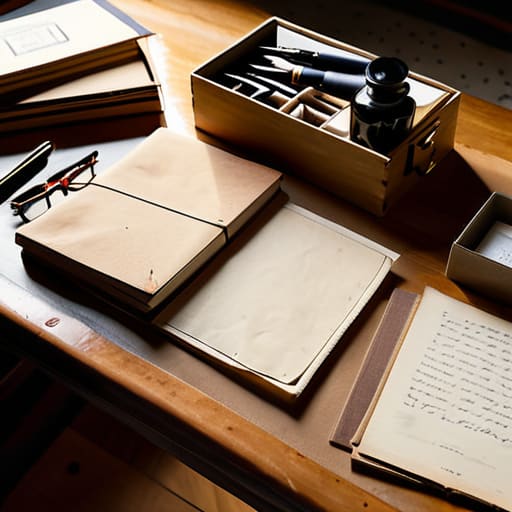
I remember sitting in a damp church hall three years ago, surrounded by a mountain of water-damaged ledgers and loose photographs from the 1974 Parish Council. The local historian had insisted we needed a specialized software subscription and a professional consultant just to figure out how to catalogue a small archive properly. It was absolute nonsense. We didn’t need a thousand-pound digital database; we needed a sturdy clipboard, a reliable pen, and a system that wouldn’t fall apart the moment the next volunteer took over. Most people make this far too complicated, thinking you need a degree in library sciences to preserve a neighborhood’s history, when really, you just need a bit of common sense and a clear way to track what you have.
In this guide, I’m stripping away the academic fluff to show you how it’s actually done on the ground. I will show you how to build a simple, searchable record using nothing more than a basic ledger or a spreadsheet, ensuring your group’s hard work survives long after we’ve all retired. This isn’t about perfection; it’s about creating a paper trail that ensures the next committee doesn’t start from zero.
The Ledger of Legacy How to Catalogue a Small Archive
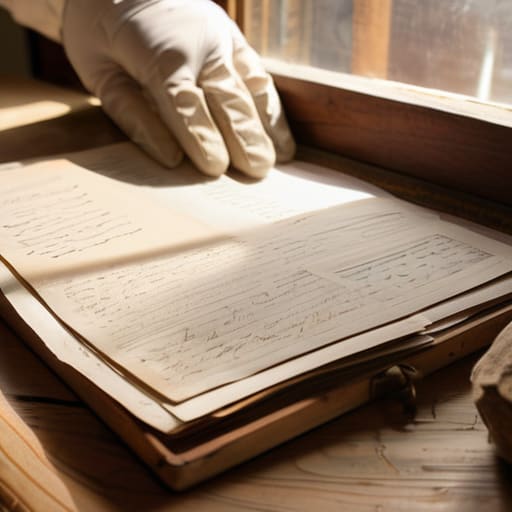
You don’t need a degree from a university to start, but you do need a sense of discipline. When I first looked at the shoeboxes of meeting notes from the old allotment committee, I realized that without a system, we weren’t preserving history; we were just hoarding paper. The most important rule I learned is to respect provenance and original order. This sounds fancy, but it really just means you shouldn’t shuffle papers into a new folder just because they look tidier. If a letter was tucked inside a ledger in 1974, keep it there. That context tells us why it was important.
Once you’ve stopped the shuffling, you need a way to find things without digging through every box. I’m not suggesting you invest in expensive collection management systems—most neighborhood groups don’t have the budget for that. Instead, I use a simple spreadsheet. Create a basic list that tracks what the item is, who gave it to you, and where it lives in your storage. If you can find a document in under thirty seconds, you’ve done your job.
Respecting the Ghost Provenance and Original Order Matters
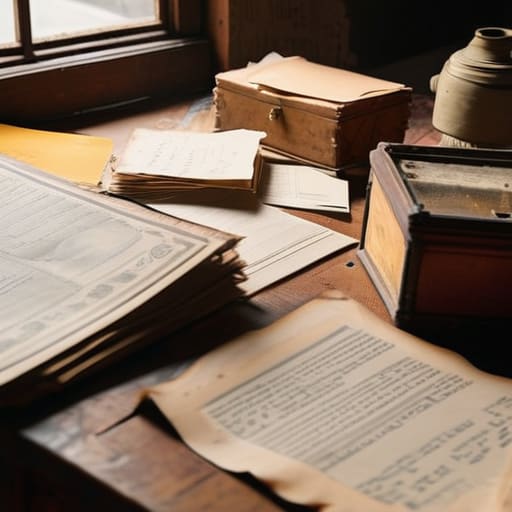
Now, I know what you’re thinking: “Deborah, it’s just a box of old flyers and meeting notes, why does it matter where they sat on the desk?” But let me tell you, once you start pulling things out and shuffling them into neat little piles by date or color, you’ve already lost something precious. In my years at the council, I saw more history vanish through “tidying up” than through actual neglect. This is where the concept of provenance and original order becomes your best friend. It isn’t just academic jargon; it’s about respecting the way these items lived in the world.
If a former secretary kept her handwritten notes tucked inside a specific ledger, keep them there. That physical relationship tells a story that a spreadsheet never could. When we talk about organizing historical documents, we aren’t just tidying a shelf; we are preserving the context of a decision. If you strip away the original way things were grouped, you strip away the “why” behind the “what.” Keep the clusters intact, even if they look a bit messy at first. That mess is the footprint of the person who came before you.
Beyond the Box Mastering Archival Preservation Techniques
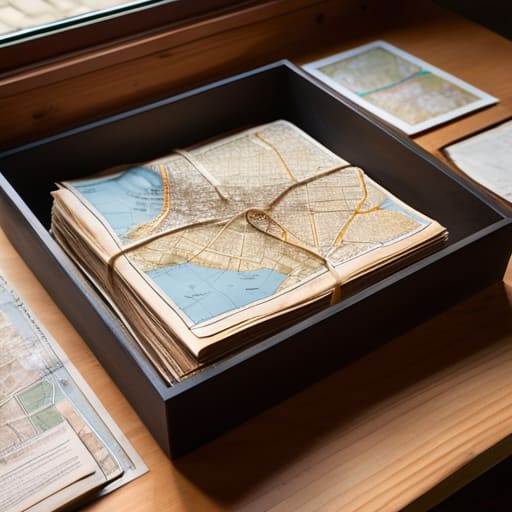
Now, once you have your boxes sorted and your provenance established, we have to talk about the physical reality of keeping these things from crumbling. It isn’t enough to just have a neat pile; you need to consider actual archival preservation techniques if you want these papers to survive another thirty years. I’ve seen too many lovely neighborhood maps turn to dust because someone tucked them into a damp basement or used those old, acidic manila folders. If you can afford it, invest in acid-free sleeves and sturdy, lignin-free boxes. It might feel like an unnecessary expense for a small committee, but protecting the physical integrity of your documents is much cheaper than trying to reconstruct a history that has literally disintegrated.
As your collection grows, you’ll also need a way to actually find things without digging through every single container. You don’t need a complex, expensive digital setup; even a well-maintained spreadsheet can serve as your primary archival finding aids. The trick is to be consistent with your descriptions. If you decide to record the date, the creator, and the subject for one folder, you must do it for them all. That bit of discipline is what turns a mere pile of old papers into a functional, searchable history of your street.
Decoding the Past Metadata Standards for Archives
Now, I know “metadata” sounds like something out of a computer science lecture, but please don’t let the jargon scare you off. In my thirty years in local government, I learned that a box of papers is only as useful as the information attached to it. If you find a beautiful, handwritten letter from a 1950s street party but don’t know who wrote it or why, it’s just a lovely piece of scrap. Think of metadata standards for archives simply as the “who, what, when, and where” that gives your items their voice. You don’t need a PhD; you just need a consistent way of noting down the basics so the next person doesn’t have to guess.
When you are organizing historical documents, I suggest starting with a simple spreadsheet rather than jumping straight into complex collection management systems. Create columns for the date, the creator, and a brief description. If you keep your notes consistent—always using “Jan” instead of switching between “January” and “01”—you are building a professional-grade finding aid. It might feel tedious now, but trust me, your future self will thank you when you’re trying to prove exactly how that community garden was funded back in ’84.
Mapping the Memory Organizing Historical Documents for Good
Once you have the boxes tucked away safely, you face the real work: making sense of the chaos. I’ve seen too many wonderful community collections end up as nothing more than a “mystery box” in a church basement because no one took the time to create archival finding aids. A finding aid isn’t just a fancy term for a list; it is a roadmap. It tells the next person—perhaps a local historian or a curious teenager—exactly where to look to find that specific 1974 flyer regarding the park redevelopment. Without this map, your hard work in organizing historical documents is essentially invisible.
Don’t feel you need to jump straight into expensive, complicated collection management systems that require a computer science degree to operate. For a small group, a well-maintained spreadsheet or even a sturdy, indexed binder can do wonders. The goal is to create a logical flow that reflects how the items were originally used. If you group the documents by year or by specific neighborhood projects, you aren’t just tidying up; you are preserving the logic of the past so it can actually be used to build the future.
The Digital Key Collection Management Systems and Finding Aids
Now, I know what you’re thinking: “Deborah, I’ve got a mountain of paper and a dusty basement, why on earth do I need a computer?” It’s a fair question. But if you want your hard work to last longer than your current committee’s tenure, you need a way to actually find what you’ve saved. You can spend years organizing historical documents into beautiful acid-free folders, but if the only person who knows where the 1974 planning maps are is Mrs. Higgins—and she’s moved to Devon—those maps are effectively lost.
This is where you move from mere storage to true accessibility. You don’t need a million-pound budget; even a simple spreadsheet can act as a rudimentary collection management system. The goal is to create archival finding aids—essentially a roadmap that tells a researcher (or a curious teenager) exactly which box holds which memory. By linking your digital list to the physical location of your files, you ensure that the history you’ve worked so hard to protect doesn’t become a digital ghost, haunting a hard drive that nobody knows how to open.
Five Practical Rules for Keeping Your History from Vanishing
- Don’t try to be a professional archivist on day one; just start with a simple, consistent naming convention for your folders or boxes so that six months from now, you aren’t staring at a pile of “Untitled Document” files wondering what they were for.
- Always record the “who” and the “why” alongside the “what,” because a photograph of a street party is just a piece of paper unless you’ve noted down that it was the 1994 Jubilee celebration organized by Mrs. Higgins.
- Keep a physical logbook—a proper, heavy-duty ledger—to track what goes into which box, because digital files can crash and hard drives can fail, but a handwritten entry in a book is a permanent anchor for your memory.
- Group things by how they were actually used rather than just by date, as keeping a set of meeting minutes alongside the specific agenda they belong to tells a much more coherent story than separating them into different years.
- Build a “continuity note” for every new person who joins your committee, explaining exactly how you’ve been filing things so the next person doesn’t accidentally dismantle thirty years of careful work in a single afternoon.
## The Cost of Silence
“An archive isn’t just a pile of old papers; it’s the memory of why we bother to stand together. If we don’t take the time to label the box and record the date, we aren’t just losing documents—we’re losing the instructions for how to build our community all over again.”
Deborah Castellanos
The Last Entry in the Ledger
We have covered a lot of ground, from the physical necessity of acid-free boxes to the somewhat more tedious, yet vital, task of establishing metadata and digital finding aids. It is easy to feel overwhelmed by the sheer weight of it all—the provenance, the original order, the endless rows of folders. But remember, cataloguing isn’t just about tidying up a dusty cupboard; it is about creating a roadmap for those who come after us. By applying these standards now, you are ensuring that the hard work of your committee doesn’t vanish into a pile of unidentifiable papers the moment the next chairperson steps down. You are turning a chaotic heap of memories into a structured, living resource that can actually be used to tell your community’s story.
At the end of the day, an archive is only as strong as the person willing to write down what happened. I have seen too many wonderful neighbourhood projects simply evaporate because nobody bothered to keep a proper record of how they functioned. Don’t let your group be one of them. Whether you are managing a single box of parish minutes or a growing collection of local photographs, your efforts provide the continuity that keeps a community whole. So, grab your ledger, find a quiet corner, and start recording. Because a street changed by a small group is a street that leaves a mark, provided someone was there to write it down.
