

I remember standing in the middle of a rain-soaked village fete back in the nineties, clutching a clipboard that had seen better decades, watching three different people try to manage the same tea tent. There was no central list, no clear roles, and quite frankly, a lot of unnecessary shouting. Most people think that learning how to volunteer at an event is about showing up with a smile and a pair of sturdy shoes, but that’s just not the truth of it. If you don’t have a bit of structure behind the scenes, you aren’t volunteering; you’re just adding to the chaos.
I’m not here to give you a polished, corporate manual on community engagement. Instead, I want to share the unvarnished reality of what actually works when you’re on the ground. I’ll show you how to find the gaps where you’re actually needed, how to navigate the tricky politics of local committees, and how to ensure your time isn’t wasted on busywork. If you want to move from being a bystander to a person who actually gets things done, let’s get started.
Stop Waiting for Permission How to Volunteer at an Event
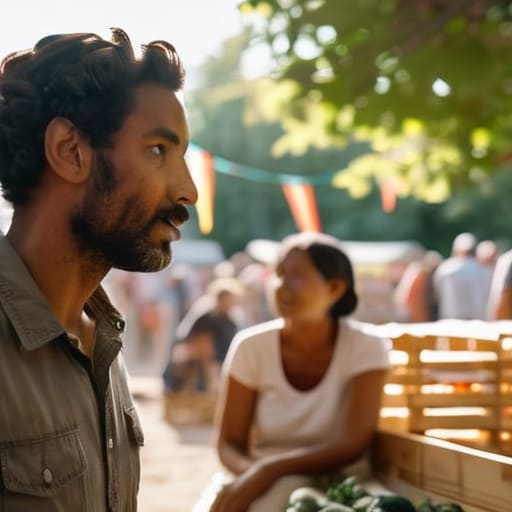
I spent three decades in local government, and if there is one thing I learned, it’s that waiting for an official invitation is a wonderful way to ensure nothing ever happens. People often sit at home, searching for “finding volunteer opportunities near me” on their phones, hoping a formal letter will arrive in the post. But the best work usually happens in the gaps between the official announcements. If you see a community fair being planned or a local hall hosting a fundraiser, don’t wait for a recruitment drive. Just walk up to the organizer and ask where they are struggling.
Most organizers are running on adrenaline and caffeine, and they aren’t thinking about a formal volunteer onboarding process; they just need hands. Whether it’s moving chairs or manning a tea stall, showing up with a willing attitude is more valuable than any certificate. You don’t need a degree in management to be useful; you just need to understand the basic event day logistics for volunteers, like knowing where the first aid kit is or which gate stays locked. Once you’ve stepped in, you’ll find that the real community building happens in those small, unscripted moments.
Finding Volunteer Opportunities Near Me Before the Idea Fades

The trouble with a good idea is that it has a remarkably short shelf life. You’ll be sitting in your kitchen, feeling that sudden spark of civic duty, but if you don’t act before the tea goes cold, that spark is gone. When it comes to finding volunteer opportunities near me, don’t just wait for a flyer to flutter through your letterbox. I’ve spent three decades seeing wonderful initiatives die simply because the initial enthusiasm wasn’t captured. Get onto your local parish website or, better yet, walk into the community centre. Often, the most vital roles aren’t advertised online; they are whispered about in the back of a church hall or over a garden fence.
Once you find a group, don’t be afraid to ask about their event management volunteer training or how they handle their people. You aren’t just looking for a way to kill an afternoon; you are looking for a way to plug yourself into a functioning system. A well-run group will have a clear process for bringing people on board, which is a sign that they won’t leave you standing around with nothing to do.
Beyond the Clipboard Navigating Event Volunteer Roles and Responsibilities

Once you’ve actually found a group that needs you, you’ll realize that “helping out” isn’t a singular task. It’s a spectrum. Some people are wonderful at the high-energy, front-facing work—greeting neighbors or directing traffic—while others are better suited for the quiet, essential bits like managing the tea station or checking names off a list. Understanding the different event volunteer roles and responsibilities early on helps prevent that awkward moment where everyone is standing around waiting for someone else to take charge.
I’ve seen many well-meaning groups stumble because they lacked a clear volunteer onboarding process. Without a quick briefing or a simple sheet of instructions, even the most enthusiastic person can feel lost. Don’t be afraid to ask for a bit of guidance before the gates open. Whether it’s a formal bit of event management volunteer training or just a five-minute chat with the organizer over a thermos of coffee, knowing exactly where you stand ensures the day runs smoothly. It’s not about being a professional; it’s about knowing which specific lever you’re meant to pull so the whole machine keeps turning.
Mastering the Chaos Through Event Management Volunteer Training
Now, don’t go thinking that showing up is the same as being prepared. I’ve seen many a well-meaning soul wander into a community fete only to stand there looking lost because they weren’t quite sure where the spare tea towels were kept. This is where a bit of event management volunteer training—even if it’s just a twenty-minute chat with the organiser over a lukewarm cup of tea—makes all the difference. You need to know exactly who to turn to when the bunting snaps or the raffle prizes go missing.
A proper volunteer onboarding process shouldn’t feel like a corporate induction; it should feel like being given a map before you head into the woods. It’s about understanding the event day logistics for volunteers so you aren’t tripping over the very people you’re trying to help. When you know the layout and the emergency plan, you stop being a person who is “helping out” and start being a person who is actually making the day run smoothly. It’s the difference between adding to the chaos and being the steady hand that settles it.
Cracking the Code of Nonprofit Event Staffing and Onboarding
Now, if you’re on the organizing side of things, you’ll quickly learn that a group of well-meaning people is no substitute for a decent volunteer onboarding process. I’ve seen so many wonderful local festivals stumble into a heap simply because the coordinator assumed everyone “just knew” what to do. They didn’t. When people show up without a clear sense of purpose or a briefing on where the extra bin liners are kept, they feel useless, and that’s how you lose your best hands before the first tea break is even over.
To avoid that particular heartache, you need to treat your nonprofit event staffing with the same respect you’d give a professional crew. It isn’t about being rigid or overly formal; it’s about clarity. A simple, printed sheet outlining the event day logistics for volunteers—where to stand, who to call if a tent blows over, and where the water is—can be the difference between a smooth afternoon and a total meltdown. If you take ten minutes to walk someone through their role properly, they’ll stay engaged, and more importantly, they’ll actually come back next year.
Commanding the Ground Event Day Logistics for Volunteers
When the big day finally arrives, the theoretical planning we did during the volunteer onboarding process meets the messy reality of a rainy morning or a missing crate of tea bags. This is where the real work happens. You’ll find that successful event day logistics for volunteers aren’t about following a rigid script, but about knowing exactly where the spare tape, the extra batteries, and the emergency contact list are kept. I’ve seen many a lovely community fair stumble simply because the person in charge of the marquee didn’t know where the mallet was stored.
Don’t be flustered if things feel a bit frantic in the first hour. My advice is to keep your eyes peeled for the gaps. If you see a queue forming at the refreshment stall or a stray bit of litter by the gate, don’t wait to be summoned. A good volunteer understands that while they have specific event volunteer roles and responsibilities, the ultimate goal is the smooth running of the whole affair. Just stay calm, stay visible, and always carry a pen. You’d be surprised how many problems are solved just by being the person who actually wrote down the plan.
Five Ways to Be the Person Everyone is Glad Showed Up
- Don’t just wait for a briefing; keep your eyes peeled for the gaps. If you see a bin overflowing or a queue starting to look a bit ragged, don’t ask for permission to fix it—just step in.
- Bring a small notebook and a pen. I’ve seen too many good events fall apart because someone noticed a problem but forgot to tell the coordinator, or worse, forgot what was actually decided during the morning huddle.
- Learn the names of the people running the show. It’s much harder for a coordinator to overlook your helpfulness when you’re “Margaret from the tea station” rather than just “the person in the yellow vest.”
- Be the person who knows where the extra roll of tape and the spare batteries are kept. Being useful isn’t always about the big tasks; it’s about having the little things sorted before the panic sets in.
- If you’re feeling overwhelmed, find a quiet corner for five minutes. You can’t help the community if you’re running on empty, and a tired volunteer is more likely to make a mistake that needs fixing later.
The Real Value of Showing Up
You don’t need a fancy title or a lanyard to make a difference; you just need to be the person who shows up, asks where the extra chairs are, and actually stays until the last bit of rubbish is bagged.
Deborah Castellanos
Getting Your Hands Dirty
We have covered a lot of ground, from the initial spark of finding an opportunity to the nitty-gritty of logistics and onboarding. It isn’t just about showing up when the music starts; it is about understanding the roles, embracing the training, and being ready to handle the inevitable hiccups that come with any public gathering. Whether you are managing a registration desk or helping coordinate the heavy lifting behind the scenes, remember that the success of the day rests on the quiet, organized work of people like you. If you can master the chaos and keep your eyes on the task, you aren’t just a helper—you are the backbone of the entire operation.
At the end of the day, my thirty-one years in local government taught me one thing: nothing changes unless someone is willing to stand up and be counted. You don’t need a fancy title or a degree in management to make a difference in your neighbourhood; you just need a bit of grit and a willingness to lend a hand. Don’t let the fear of doing something wrong stop you from doing something useful. Go out there, find a cause that stirs your soul, and get involved. I promise you, once you see the impact of a well-run event, you will never look at your street the same way again.
