

I remember standing in a drafty church hall twenty years ago, surrounded by half-empty boxes of juice cartons and a group of well-meaning but utterly lost parents. Everyone was talking about “synergy” and “child development frameworks,” but nobody could tell me where the spare keys were or who was actually responsible for the afternoon snack. It’s a common trap: people think that learning how to volunteer with children requires a degree in pedagogy or a massive budget from the council. In reality, most of the time, it just requires a bit of common sense and a very clear set of instructions that don’t vanish the moment the meeting ends.
I’m not here to give you a lecture on theoretical social work; I’ve spent thirty-one years in local government, and I know exactly where the paperwork falls apart. Instead, I’m going to show you the practical, boots-on-the-ground reality of making a difference. I will tell you how to find a gap that actually needs filling, how to navigate the necessary background checks without losing your mind, and how to build something that lasts long after you’ve moved on.
Beyond the Sidewalk How to Volunteer With Children and Lead
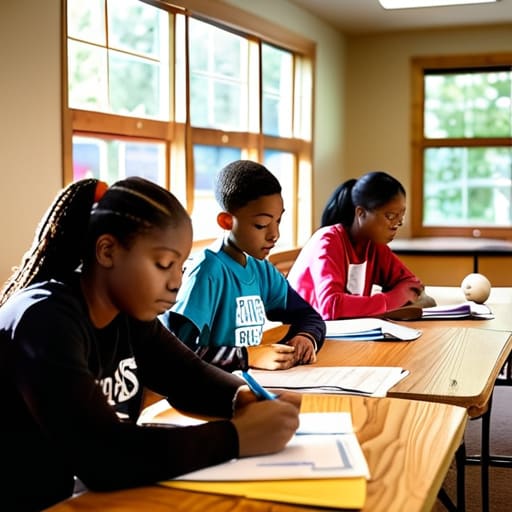
Once you’ve gathered your group, you have to move from being a well-meaning neighbor to being a responsible leader. This is where many lovely intentions run into a brick wall. It isn’t enough to just show up with a bag of footballs or some art supplies; you need to understand the working with minors legal guidelines that protect both the children and your little committee. I’ve seen too many neighborhood projects fold because they skipped the paperwork, only to be shut down by the council when things got serious.
Before you host your first session, make it your business to establish clear child safety protocols. This means being transparent about your background check requirements for volunteers from day one. If you’re organizing something through a local church or a community center, ask them for their existing templates rather than trying to reinvent the wheel. It might feel a bit formal at first, but having a clear set of rules is what allows your group to grow without the fear of a single mistake undoing all your hard work.
The Paperwork of Trust Navigating Background Check Requirements for Volunte

Now, I know what you’re thinking: “Deborah, I just wanted to help with the bake sale, not become a legal expert.” Believe me, I’ve sat through enough council meetings to know that paperwork feels like a chore, but when you are working with children, it is the very foundation of your group. You aren’t just checking boxes; you are building a protective layer around those kids. Navigating background check requirements for volunteers can feel a bit daunting at first, especially if you are just a small group of neighbors, but it is non-negotiable.
I always tell my committee members that we don’t skip these steps because we don’t trust our neighbors—we do it because we respect the responsibility. You need to have clear, written child safety protocols that everyone understands before the first meeting even begins. It’s much easier to set these standards while you are still in the planning stages than to try and fix a messy situation after the fact. If you don’t have a clear process for vetting people, you don’t have a group; you just have a gathering.
Fortifying the Playground Mastering Essential Child Safety Protocols
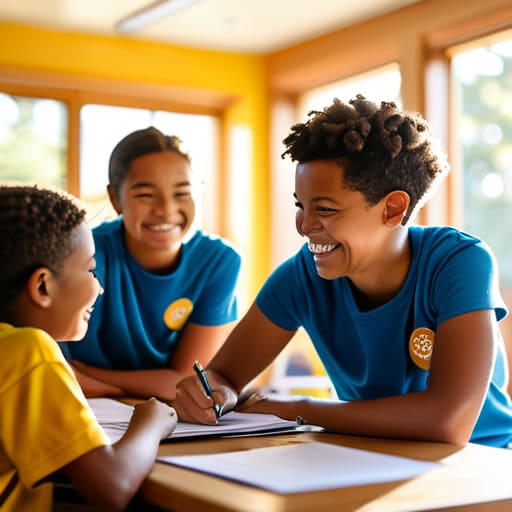
Now, I know what you’re thinking: all this talk of paperwork and checks feels like it’s sucking the joy out of the project. But after thirty years in local government, I can tell you that the joy only lasts if the foundation is solid. You can’t have a successful community group if one mishap shuts you down for good. When we talk about child safety protocols, we aren’t just checking boxes for the sake of it; we are building a perimeter of protection around the very kids we want to serve.
One thing I learned the hard way during my time in regeneration is that you can never have too many eyes on a situation. You must establish strict volunteer supervision ratios from day one. It’s not enough to just “show up”; you need a clear rule that no child is ever left alone with a single adult. I always tell my small committees that it is much better to have a slightly over-staffed afternoon than to leave a gap in supervision. If you don’t write these rules down in your meeting minutes, someone will inevitably forget them when things get busy.
The Rules of Engagement Working With Minors Legal Guidelines
Now, I don’t want to sound like a bureaucrat—I’ve spent enough time in council meetings to know how dry that can get—but we have to talk about the legalities. When you move from just helping out to actually organizing a group, you aren’t just neighbors anymore; you are stewards of safety. Understanding the working with minors legal guidelines isn’t about adding red tape for the sake of it; it’s about building a fence around the children and the adults involved. If something goes wrong, you don’t want to be left wondering if you followed the proper procedure.
One thing I learned during my years in local government is that clarity prevents chaos. This means being very strict about your volunteer supervision ratios. You can’t just have one person watching ten energetic seven-year-olds and call it a day. You need a structure where every child is within sight and sound of a responsible adult at all times. It’s also wise to implement some basic nonprofit volunteer training for your core committee. Even if you aren’t a registered charity yet, teaching your group the “two-adult rule”—never being alone in a room with a child—is the simplest way to protect everyone.
Small Teams Big Impact Youth Mentorship Opportunities and Supervision Ratio
When I was working in local government, I saw countless well-meaning groups fizzle out because they tried to do too much with too few people. If you are looking at youth mentorship opportunities, my advice is to keep your circle tight. You don’t need a hundred people; you need a handful of reliable souls who understand that mentorship isn’t just about showing up, but about being consistent. A small, dedicated team can provide much more stability for a child than a large, rotating door of strangers.
However, consistency must be balanced with oversight. This is where your volunteer supervision ratios become your best friend. I’ve seen many neighborhood projects stumble because they let one adult get too isolated with a group of kids. It’s not about lack of trust; it’s about creating a structure where everyone feels secure. Always aim for a ratio that allows for “eyes-on” supervision without making the kids feel like they are under a microscope. If you follow these simple guardrails, you aren’t just babysitting; you are building a foundation that actually lasts.
Building Your Crew Mastering Nonprofit Volunteer Training for Change
I’ve seen too many wonderful neighborhood initiatives crumble simply because the people involved weren’t on the same page. You can have the best intentions in the world, but if your team doesn’t understand the “why” behind the rules, things get messy fast. Effective nonprofit volunteer training isn’t about lecturing people; it’s about building a shared language. I always tell new committees that we aren’t just teaching tasks, we are cultivating a culture of reliability.
When you sit your crew down, don’t just hand them a folder of papers. Walk them through the practicalities of our child safety protocols using real-world scenarios. Instead of just reciting the working with minors legal guidelines, ask them: “What would you do if a child approached you while you were setting up the snack table?” It makes the rules feel less like bureaucracy and more like a protective shield for the community. If everyone knows exactly where the boundaries lie, they can focus on what actually matters—showing up for the kids and making a difference.
Five Practical Habits for Staying Useful (and Safe)
- Keep a simple logbook. I’ve seen too many good youth projects fizzle out because the one person who knew the schedule moved away; write down who showed up, what happened, and what needs doing next time.
- Never go it alone. Even if you’re the most experienced person in the room, always ensure there is a second adult present—it protects the children, it protects you, and it keeps the group’s reputation intact.
- Listen more than you lecture. When you’re working with kids, your job isn’t to be the smartest person on the block, but to provide the steady, reliable presence that lets them find their own feet.
- Respect the boundaries of the existing structure. Before you try to reinvent the wheel with a local youth club or church group, sit down with the people who have been running it for years and ask how you can best support their current rhythm.
- Show up consistently. A single, reliable volunteer who turns up every Tuesday is worth ten “superstars” who only appear when they feel inspired; community work is built on the boring, beautiful habit of being there.
## The Real Work Happens in the Details
“You don’t need a grand charity or a massive budget to make a difference in a child’s life; you just need a small, organized group of reliable neighbors who understand that showing up consistently—and with the right paperwork in order—is the only way to build real trust.”
Deborah Castellanos
The Last Piece of the Puzzle
We have covered a lot of ground, from the heavy lifting of background checks and legal guidelines to the practicalities of supervision ratios and training your crew. It can feel a bit daunting when you first look at the sheer amount of paperwork and protocol required to work with minors, but please don’t let the bureaucracy scare you off. All those safety measures and formal rules are simply the scaffolding that allows your actual work to happen safely. If you manage your paperwork and protocols with the same care you give to the children themselves, you create a foundation that won’t crumble when the initial excitement wears off. Remember, a well-organized group is a group that actually lasts.
At the end of the day, all the minutes I’ve ever recorded and all the committee meetings I’ve sat through have taught me one thing: change doesn’t happen through grand gestures, but through the steady, reliable presence of people who simply show up. When you volunteer with children, you aren’t just filling a slot on a rota; you are becoming a predictable, safe part of their world. It might feel small, but a few dedicated neighbors working within a clear structure can shift the entire trajectory of a child’s week, or even their life. So, grab your notebook, find your people, and start making moves.
