

I remember standing in a drafty church hall in 1994, clutching a stack of glossy, professionally printed flyers that I’d spent half the committee’s budget on. I had spent weeks planning the “perfect” engagement strategy, only to sit there staring at three lukewarm mugs of tea and a single, apologetic neighbour. It’s a heartbreaking feeling, isn’t it? You realize that all the fancy marketing in the world won’t solve the fundamental problem of how to get people to turn up. People don’t respond to polished propaganda; they respond to genuine connection and the feeling that their presence actually matters to the person asking.
I’ve spent thirty-one years seeing exactly why those flyers fail and why some small groups thrive while others vanish into thin air. I’m not going to give you a lecture on theoretical sociology or suggest you hire a social media consultant. Instead, I’m going to share the practical, boots-on-the-ground methods I used during my years in local government to move people from their sofas to the meeting table. We are going to focus on the small, repeatable actions that build real momentum.
Beyond the Flyer Real Event Promotion Tactics That Work
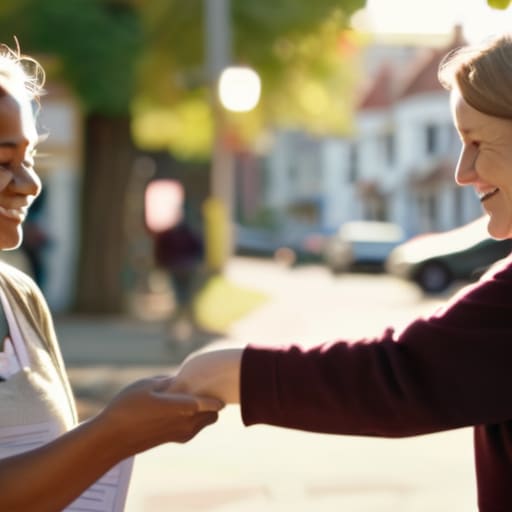
I’ve seen too many lovely community initiatives wither away simply because the organizers relied on a single, lonely poster stuck to a damp telephone pole. If you want to actually see bodies in the room, you have to move past the “post and pray” method. Real event promotion tactics aren’t about slick graphic design; they are about the repetition of a message in different spaces. I always tell my volunteers to use the “three-touch rule”: a mention in the parish newsletter, a quick chat at the school gate, and a physical flyer handed over during a conversation. People need to hear about your meeting in three different contexts before it feels real enough to attend.
Once you have their attention, you need to bridge the gap between “I might go” and “I am definitely going.” This is where many small groups stumble. Instead of a vague open invitation, try using a simple sign-up sheet or a basic digital form for effective RSVP management. It isn’t about being formal or stuffy; it’s about creating a sense of commitment. When someone tells you, “Yes, I’ll be there on Tuesday,” they are much more likely to follow through than if they just saw a flyer in the post office window.
The Power of Six How to Get People to Turn Up

I’ve seen it happen a dozen times in my thirty years of local government: a lovely idea, a half-dozen eager neighbors, and a room that remains stubbornly empty. The mistake most people make is thinking they need a crowd to start. You don’t. You need a core. I always tell my groups that if you can find just six people who are willing to commit, you have a foundation. These aren’t just attendees; they are your engine. When those six people show up with purpose, they create a sense of momentum that is far more infectious than any glossy poster.
Instead of obsessing over massive event marketing techniques that target the whole street, focus on these six. Give them specific roles—one person handles the tea, another manages the sign-in sheet, and a third is tasked with welcoming newcomers. This is the secret to improving guest turnout; when people see a group that looks organized and active, they feel safe joining in. It’s much easier to invite a neighbor to join a moving train than to try and jump-start a stalled engine.
Mastering the Ask Effective Rsvp Management for Small Committees

The biggest mistake I see—and I learned this the hard way during my years in local government—is treating an RSVP like a polite suggestion rather than a commitment. People mean well, but they are busy, and a vague “hope to see you there” is where momentum goes to die. If you want to improve guest turnout, you have to move away from passive lists and toward active confirmation. I always tell my committees: an RSVP is just the beginning of the conversation, not the end of it.
Effective RSVP management isn’t about being a nag; it’s about making people feel expected. A few days before the meeting, send a short, friendly text or a quick email that says, “We’ve saved a chair for you, John.” It sounds small, but that personal touch is one of the most underrated audience retention strategies available to a small group. It shifts the tone from a generic community notice to a personal invitation. When people feel like their presence actually matters to the group’s progress, they are much less likely to let you down at the last minute.
Turning Interest Into Action Increasing Event Engagement Locally
Once you’ve managed to get the RSVPs in, the real work begins. It is a mistake to assume that a “yes” on a WhatsApp poll or a signed sheet at the post office means they will actually walk through your door. I’ve seen countless lovely ideas wither away simply because the momentum stalled between the invitation and the event date. To truly master increasing event engagement, you have to bridge that gap with small, meaningful touchpoints. A quick, friendly text message forty-eight hours before the meeting—not a formal demand, but a gentle nudge—can be the difference between someone staying home and someone showing up.
I’ve found that the most successful committees use a bit of “social proof” to keep people interested. If you are planning a street clean-up or a coffee morning, mention who else is coming or what specific small thing will happen. People don’t just want to attend an event; they want to feel like they are part of a moving train. By focusing on these simple audience retention strategies, you ensure that the initial spark of interest doesn’t just fizzle out into a polite, silent “maybe.”
Smart Event Marketing Techniques for Your Neighborhood Movement
Now, I’ve seen many a well-meaning committee spend their entire tiny budget on glossy flyers that end up as nothing more than litter in the local park. If you want to move the needle, you need to look at event marketing techniques that actually lean into how our streets work. It isn’t about being loud; it’s about being visible where people already linger. That means a chalkboard outside the corner shop or a quick mention at the end of a church service. You aren’t selling a product; you are offering a way to make the neighborhood a bit more decent for everyone.
Once you’ve caught their eye, you have to keep that momentum from fizzling out. I’ve found that the secret to improving guest turnout is the personal touch—a quick, friendly text or a chat over a garden fence to confirm they’re coming. It’s much harder for a neighbor to flake on you when you’ve looked them in the eye and told them their voice actually matters. Don’t just broadcast into the void; build a little bridge between the invitation and the actual doorstep.
Keeping the Momentum Audience Retention Strategies for Change
The biggest mistake I see in local regeneration is treating a meeting like a one-off performance. People often pour all their energy into event promotion tactics to get bodies in the room, only to let the flame flicker out the moment the tea and biscuits are cleared away. If you want to avoid that hollow feeling of a one-hit wonder, you have to realize that the real work begins the day after the event. You cannot simply wait three months and hope people remember why they cared in the first place.
To truly succeed with audience retention strategies, you need to close the loop. If someone took the time to RSVP, they deserve to know their presence actually mattered. I always tell my committees: send a short, plain-English note to everyone who attended, telling them exactly what was decided. It doesn’t need to be a formal report; just a simple summary of the next step. When neighbors see that their input is being documented and acted upon, they stop being “attendees” and start becoming active participants in the street’s future.
Five Little Things That Keep the Chairs Filled
- Don’t just send an email and hope for the best; a quick, friendly text message or a chat over the garden fence works wonders because it makes the invitation feel personal rather than like a chore.
- Give people a specific job, even if it’s just bringing a packet of biscuits, because people are far more likely to show up when they feel the group actually needs them there.
- Watch your timing like a hawk—if you schedule your meeting at 7:00 PM on a Tuesday, you’re going to lose every parent and every working person in the street.
- Always, and I mean always, send a little reminder twenty-four hours before the event; people aren’t being rude when they forget, they’re just busy, and a gentle nudge saves them from the embarrassment of missing out.
- Make sure the first ten minutes of your gathering aren’t just a dry reading of the previous minutes; if people feel they’re walking into a lecture, they won’t bother coming back for the second one.
The Paper Trail of Participation
People don’t show up because they’ve forgotten the meeting exists; they don’t show up because they don’t feel like their presence actually matters to the outcome. If you want a full room, stop treating your neighbors like a mailing list and start treating them like the essential pieces of a puzzle that can’t be finished without them.
Deborah Castellanos
The Work Begins with the First Meeting
At the end of the day, getting people to show up isn’t about having a massive marketing budget or a fancy social media presence; it’s about the relentless follow-through of small, organized steps. We’ve talked about everything from the importance of the personal knock on the door to the necessity of a tidy RSVP list that actually tells you who is coming. If you can move past the initial hurdle of the flyer and start building those genuine, face-to-face connections, you’ve already done more than most. Remember, the goal isn’t just to fill a room for an hour, but to build a reliable system where people feel seen, heard, and—most importantly—useful.
I’ve spent thirty years watching committees rise and fall, and the ones that endure are always the ones that treat every attendee like a vital piece of the puzzle. Don’t be discouraged if your first meeting feels a bit quiet or if the turnout isn’t what you dreamed of. Community work is a slow burn, much like learning the rhythm of a heavy church bell; it takes practice and a steady hand. Just keep writing things down, keep showing up, and never underestimate the strength of a small, committed group of neighbours. You don’t need a crowd to start a movement; you just need a solid foundation and the courage to take that first step.
