

I spent thirty years in local government watching well-meaning neighborhood projects wither away, and most of them died for the same reason: they tried to do too much, too fast, without a proper paper trail. Nowadays, people think that learning how to run a community group online requires a fancy website, a subscription to some complex project management software, or a degree in digital marketing. Honestly? That is a complete waste of time and, more importantly, a waste of the precious energy you need to actually get things done.
I’m not here to sell you on some high-tech dream that will leave you staring at a screen feeling more isolated than when you started. My promise to you is much simpler. I am going to show you how to use basic, free tools to keep your people connected, your decisions documented, and your momentum building. We are going to focus on the practical mechanics—the kind of stuff that ensures when the person holding the password goes on holiday, the group doesn’t simply vanish into thin air.
Understanding How to Run a Community Group Online

When I first started in local government, “community engagement” meant standing in a drafty church hall with a stack of lukewarm tea and a clipboard. Nowadays, the hall is a WhatsApp group or a Facebook page. Moving your work to a screen doesn’t change the fundamental truth that people just want to be heard, but it does change the mechanics of how you listen. You aren’t just managing a chat; you are essentially building online community trust from scratch, without the benefit of seeing someone’s face or sharing a biscuit.
The biggest mistake I see is trying to do too much at once. You don’t need fancy, expensive software to start. In my experience, the most effective way to manage remote group dynamics is to keep the digital space as simple as the physical one. If the platform is too complicated, people will simply stop checking it, and that’s how a group quietly fades away. Focus on clear, predictable rhythms—a weekly update or a set time for discussion—so neighbors know exactly when and where to show up.
Key Things to Know
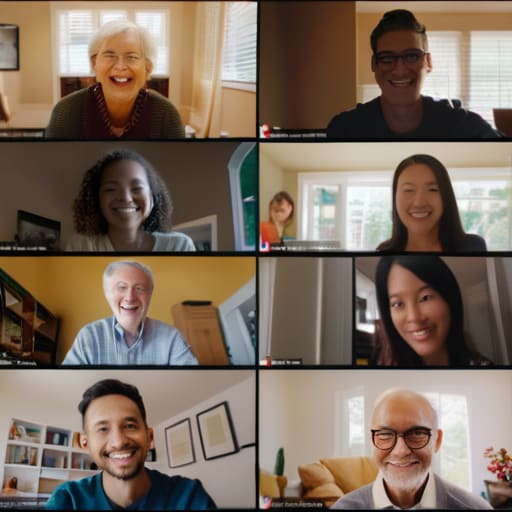
One thing I learned after three decades in local government is that people aren’t actually afraid of technology; they are afraid of looking foolish in front of their neighbors. When you move your meetings to a screen, you aren’t just changing the venue, you are changing the social contract. You have to be intentional about building online community trust from day one. If the first time someone sees your face is in a chaotic, muted Zoom call where nobody knows how to unmute themselves, they won’t come back for the second meeting.
You also need to realize that a group chat isn’t a substitute for a proper structure. I’ve seen many lovely neighborhood initiatives fizzle out because they relied solely on a WhatsApp thread that eventually became nothing but people complaining about bin collections. To keep things professional, you should look into some basic online community management tools—even something as simple as a shared Google Calendar or a pinned note with the minutes—to ensure that decisions are actually recorded. If it isn’t written down, it never happened, and that is how small groups lose their momentum.
Practical Tips and Steps

Now, let’s get down to the brass tacks. If you want this to last longer than a summer garden party, you need to move past the “chatting about ideas” phase and into the “doing” phase. I always tell people: don’t try to be everything to everyone. Pick one simple online community management tool—whether it’s a WhatsApp group or a private Facebook page—and stick to it. If you jump between five different apps, half your members will get lost, and the other half will simply stop checking their notifications. Consistency is what builds momentum.
Once you’ve picked your platform, you have to set some ground rules early on. I’ve seen many a lovely neighborhood initiative fall apart because one person decided to use the group chat for political rants or selling old sofas. You need to implement some basic digital community moderation best practices right from the start. It isn’t about being a policeman; it’s about protecting the space so people feel safe to contribute. If you keep the conversation focused on the goal—be it a new flower bed or a street party—you’ll find that building online community trust becomes much easier.
Common Mistakes to Avoid
The biggest pitfall I see—and I’ve seen this play out in countless parish meetings—is trying to do everything yourself. When you start a group, there is a temptation to be the sole moderator, the person who answers every single notification and settles every minor disagreement. But if you don’t delegate, you’ll burn out before the first grant application is even finished. You need to share the load early on. Without a few people helping with digital community moderation best practices, the responsibility becomes a heavy weight that eventually crushes the group’s momentum.
Another mistake is forgetting that a digital space is still a social space. People often dive straight into the technicalities of a project and forget to actually talk to one another. If you only use your group for announcements, you aren’t building a community; you’re just running a mailing list. You have to focus on building online community trust by allowing for casual conversation and shared interests. If people don’t feel a sense of belonging, they won’t show up when it’s time to do the actual, heavy lifting in the real world.
Final Thoughts
At the end of the day, a group isn’t just a collection of profiles on a screen or a list of names in a WhatsApp thread. It is a living, breathing thing, much like the old neighbourhood committees I used to chair in my local authority days. Moving these conversations into a digital space can feel a bit daunting, but remember that the goal remains the same: bringing people together for a common purpose. Whether you are discussing a new playground or a street party, the technology is simply the tool, not the mission itself.
If you find yourself struggling with the pace of things, don’t panic. You don’t need to be a tech expert; you just need to be consistent. Focus on building online community trust by being transparent about how decisions are made and where the money goes. If you keep your records clear and your communication steady, you’ll find that managing remote group dynamics becomes second nature. Just keep writing things down, keep showing up, and don’t let the momentum slip away just because the meeting wasn’t held in a drafty church hall.
My Five Golden Rules for Keeping the Digital Momentum Going
- Don’t let the chat become a shouting match; set a few simple ground rules early on, like “no politics after 9 PM” or “keep it to the garden topic,” so people don’t get overwhelmed and leave.
- Keep your records in one place, even if it’s just a shared folder, because if the person running the WhatsApp group decides to move away, the group shouldn’t die with their phone.
- Use different tools for different jobs—keep the quick chats on a messaging app, but use email for the actual decisions and the “official” stuff that needs to be filed away.
- Make sure you aren’t the only one doing the heavy lifting; if you’re the only person posting, it’s a broadcast, not a community, so nudge others to share their own photos or ideas.
- Be careful with the “noise” factor; if every single person posts a “thank you” or a “thumbs up” emoji, the important announcements get buried, so encourage people to use reactions instead of new messages.
The Digital Paper Trail
An online group isn’t just a collection of chatty messages; it’s a digital version of our old parish minutes. If you don’t use your group chat to record decisions and keep a clear record of who agreed to what, you’ll find yourself back at square one within a month, wondering why everyone has suddenly gone quiet.
Deborah Castellanos
A Final Word from the Committee Table
At the end of the day, running a group online isn’t about mastering some complex piece of software or having a perfectly curated digital presence. It is about the same old things I spent thirty years seeing in local government: clear rules, a bit of structure, and making sure people actually feel heard. You need to pick your platform, set your boundaries early, and—most importantly—keep a record of what you decide. If you don’t write down the digital equivalent of minutes, you’ll find yourselves having the same argument about the group’s purpose every single Tuesday night. Stick to the basics, manage your digital space with intention, and don’t let the technology outpace the actual human connection you’re trying to build.
I have seen so many wonderful neighborhood initiatives fizzle out because they lacked a solid foundation, but I have also seen a small, organized group do wonders with very little. Whether you are organizing a street party or a local campaign, remember that the screen is just a tool, not the goal. The real magic happens when that digital chat leads to a real-world handshake or a shared project. Don’t be intimidated by the setup; just grab your core group, start documenting your progress, and get moving. A well-run online group is often the spark that lights the fire for real, lasting change on your street.
