

I remember sitting in a drafty church hall back in ’94, staring at a stack of dusty, handwritten parish minutes that told me more about our neighborhood’s true needs than any glossy council report ever could. People today think they can solve everything with a quick Google search, but there is a massive difference in how to research online versus in person when you’re trying to actually move a community forward. You can spend hours scrolling through Facebook groups and local forums, but you’ll never catch the nuance of a neighbor’s hesitation or the real reason a certain street corner feels unsafe just by reading a comment thread.
I’m not here to give you a lecture on data analytics or tell you to buy expensive software. What I want to do is show you how to balance the efficiency of a screen with the hard truth of a face-to-face conversation. I’ll be sharing the practical, no-nonsense methods I used during my thirty years in local government to ensure our projects were built on facts, not just digital noise. We’re going to look at how to use both tools to build a foundation that actually lasts.
The Digital Mirage Navigating the Limitations of Digital Databases
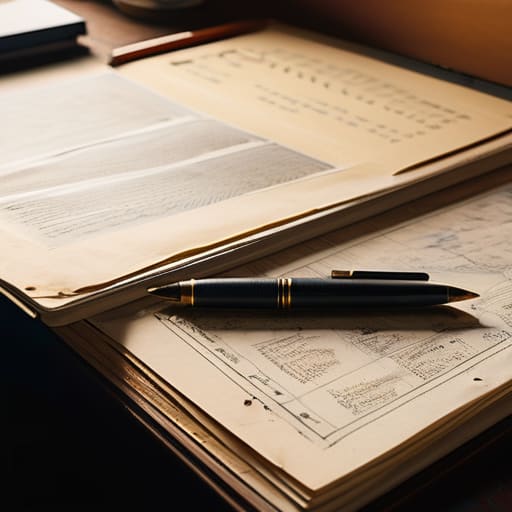
It is easy to fall into the trap of thinking that if it isn’t on Google, it doesn’t exist. I see it all the time with new community groups: they spend weeks scouring the internet, only to come back empty-handed. The truth is, there are significant limitations of digital databases when you are trying to understand the soul of a neighborhood. Most of what we find online is curated, polished, or—more often than not—simply missing. You won’t find the handwritten notes from a 1974 planning meeting or the messy, heartfelt letters sent to a local councillor tucked away in a searchable PDF.
When we talk about digital vs physical archives, we have to acknowledge that the internet is often a shallow pool. Digital records are wonderful for quick facts, but they lack the context that only paper can provide. If you want to truly understand why a certain park was neglected or why a street layout changed, you need to look beyond the screen. Real history is often found in the dust of a basement or the margins of a ledger, requiring a bit more sweat and a lot more patience than a simple search query.
Street Smarts and Scholar Grit How to Research Online Versus in Person

Now, don’t get me wrong; I’m a fan of a quick Google search as much as the next person, but there is a world of difference between clicking a link and actually seeing the paper. When you are looking into the history of a local park or a disputed boundary, you quickly learn that digital vs physical archives isn’t just an academic debate—it’s a practical reality. A database might tell you a building was erected in 1924, but it won’t tell you that the local butcher used to host the neighborhood meetings in the back room. To find that kind of grit, you have to get out from behind the desk.
I’ve spent many an afternoon in dusty basements, practicing proper archival research techniques that no algorithm can replicate. There is a certain magic in handling a handwritten ledger from a defunct parish committee; you can feel the weight of the decisions made there. You need to practice primary source verification by comparing what the official website says against the actual, ink-stained reality of the local records. If you only rely on what’s been digitized, you’re only seeing the version of history that was convenient enough to scan.
Unlocking the Vault Mastering Accessing Historical Documents Directly

There is a specific kind of magic that happens when you stop clicking and start turning pages. While I’ve spent plenty of time navigating the limitations of digital databases, nothing compares to the weight of a ledger held in your hands. When I’m looking into a neighborhood’s past, I don’t just want the summary; I want the raw truth. This is where accessing historical documents directly becomes your greatest superpower. You see, a scanned PDF often misses the marginalia—the handwritten notes in the corners of a meeting minute that reveal why a particular park project actually failed back in 1974.
To do this properly, you have to embrace certain archival research techniques that require a bit of patience and a lot of shoe leather. It’s about visiting the local county records office or that dusty basement in the town hall where the real stories live. You aren’t just looking for facts; you are looking for the context that a search engine simply cannot provide. When you compare digital vs physical archives, the physical ones offer a layer of primary source verification that keeps your committee’s plans grounded in reality rather than internet hearsay.
Beyond the Screen Why Digital vs Physical Archives Change Everything
When you’re sitting at your kitchen table scrolling through a PDF, it’s easy to feel like you’ve seen the whole picture. But there is a fundamental difference in how we process information when we move from a screen to a physical box of papers. In my years of regeneration work, I’ve seen how digital vs physical archives can lead to two very different outcomes for a community project. A digital scan is often just a surface-level snapshot—it’s convenient, yes, but it’s frequently incomplete. You might find the official minutes of a 1974 planning meeting online, but you won’t find the handwritten note tucked into the margin by a clerk explaining why the decision was actually made.
That’s where true primary source verification comes into play. When you actually step into a local repository, you aren’t just looking at data; you’re looking at the texture of the history. You see the fraying edges of the maps and the ink blots on the ledgers. These physical details often provide the context that a database simply cannot capture. If we want to build something lasting on our streets, we can’t just rely on what’s easy to click; we need to find the truth that lives in the paper.
The Truth Filter Rigorous Primary Source Verification for Real Impact
Now, here is where most well-meaning committees stumble. You find a lovely-sounding bit of local lore on a community Facebook group or a scanned snippet from a forgotten blog, and you take it as gospel. But in my thirty years in local government, I learned that a digital footprint isn’t always a factual one. If you want to convince a council to fund a new playground or a community garden, you cannot rely on hearsay. You need primary source verification. You have to go back to the original source—the signed deed, the official minutes, or the actual surveyor’s map—to ensure you aren’t building your entire project on a foundation of digital misinformation.
This is why I always advocate for a bit of old-fashioned grit. While digital vs physical archives offers convenience, the digital version is often a mere shadow of the original. When you are accessing historical documents in person, you can see the stamps, the handwritten annotations, and the physical weight of the evidence. Those small, tactile details are often what turn a “maybe” from a skeptical official into a “yes.” Don’t just take the screen’s word for it; check the paper.
From Library Research Methods to Proven Archival Research Techniques
Now, don’t get me wrong; I’ve spent plenty of time in local libraries, and there is a certain comfort in their quiet aisles. Traditional library research methods are wonderful for getting your bearings—finding a decent map of the ward or a published history of the parish. But if you want to move from being a mere enthusiast to someone who actually knows the truth of a matter, you have to step beyond the printed books. Libraries tell you what has been curated for the public; they don’t always show you the messy, unvarnished reality of how things actually happened.
To really get under the skin of a community’s past, you need to adopt more rigorous archival research techniques. This means moving away from the “search” bar and toward the filing cabinet. When you are accessing historical documents directly from a local record office, you aren’t just reading a summary; you are seeing the original handwritten notes, the smudge of ink from a tired clerk, and the very letters that shaped a street. It’s about finding the gaps that digital databases often overlook.
Five Ways to Tell if Your Data is Real or Just Digital Noise
- Don’t trust a single PDF blindly; if you find a crucial piece of local history online, make it your mission to see if the physical original exists in a local drawer or basement.
- Use the internet to build your map, but use your feet to walk the actual terrain; a Google Map won’t tell you that a particular alleyway is actually a communal shortcut used by the whole street.
- When you find a name or a date in a digital archive, go find the person who actually remembers it—the lady at the corner shop or the retired teacher—and see if their story matches the screen.
- Treat online forums like a starting point, not a final verdict; people have opinions, but they don’t always have the minutes from the 1984 planning meeting.
- Always keep a paper trail of your own findings, because if you don’t write down where you found your information, the next person in your committee will be wandering in the dark just like you were.
The Gap Between Data and Reality
You can spend all afternoon scrolling through council minutes on a tablet, but that screen won’t tell you which neighbor is actually willing to show up on a Tuesday night to plant those community beds. Digital research gives you the skeleton of a project, but it’s the boots-on-the-ground conversations that give it the heartbeat.
Deborah Castellanos
Putting the Pieces Together
At the end of the day, it isn’t about choosing one method over the other; it is about knowing when to use your keyboard and when to lace up your walking shoes. We have seen that while digital databases offer a quick starting point, they often lack the nuanced truth found in a dusty parish minute book or a conversation with a long-term resident. You need the digital tools to map the landscape, but you need the physical archives and the face-to-face interviews to find the actual heartbeat of the community. Relying solely on a screen leaves gaps that a well-researched, multi-layered approach simply won’t.
I have seen too many good intentions wither away because a group started with a “feeling” rather than a foundation of facts. Don’t let your committee be another one of those groups that disappears because no one bothered to do the proper legwork. Use what you find to build a case that is unshakeable. When you combine the efficiency of online searching with the grit of street-level investigation, you aren’t just collecting data—you are building a blueprint for real change. Now, go out there, do the work, and make sure you write down exactly how you did it.
