
People often think that learning how to volunteer in an archive requires a PhD in History or a lifetime of dusting leather-bound ledgers in a silent, temperature-controlled vault. They see these institutions as gated communities for academics, which is a complete nonsense. In my thirty-one years in local government, I’ve seen more truth tucked away in a water-damaged parish minute book than in most official textbooks. You don’t need a fancy degree to be useful; you just need a bit of patience and the willingness to handle things with care.
I’m not here to give you a lecture on archival theory or the “proper” way to handle parchment. Instead, I’m going to tell you how to actually get your foot in the door and make yourself indispensable. I’ll walk you through the practicalities of showing up, what they’ll actually ask you to do, and how to navigate the bureaucracy without losing your mind. This is about real-world contribution, not academic posturing. If you want to help preserve the stories of your street, let’s get to work.
Understanding How to Volunteer in an Archive
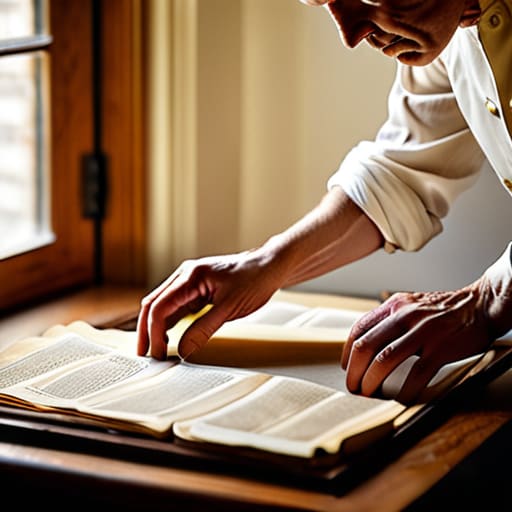
Before you roll up your sleeves, you have to understand that an archive isn’t just a dusty room full of old paper; it is a living system of memory. When I first looked into this, I thought it would be all reading old letters by candlelight. In reality, most places need help with the heavy lifting of historical document management. This means learning how to handle fragile items without causing more harm than good, ensuring that a single misplaced thumbprint doesn’t erase a piece of our local heritage.
You’ll likely find that the work falls into two camps: the physical and the digital. Some roles focus on archival collections care, where you might be cleaning trays or organizing physical files. Others are much more modern, involving digitization volunteer opportunities where you help scan records to make them accessible to people at home. It’s not just about moving boxes; it’s about following a specific logic so the next person can actually find what they’re looking for. If you enjoy order and a bit of quiet focus, you’ll find it incredibly rewarding.
Key Things to Know
Before you roll up your sleeves, you need to understand that an archive isn’t just a dusty room full of old paper; it is a living, breathing system. Most people think they’ll just be shelving books, but the real work lies in archival collections care. You aren’t just moving items; you are handling the physical remnants of someone’s life. Whether it’s a handwritten ledger from a local parish or a collection of mid-century photographs, you have to respect the fragility of the material. It’s a slow, methodical process that requires a steady hand and, more importantly, a lot of patience.
You also shouldn’t expect to be left to your own devices right away. Most reputable institutions will want to walk you through their specific historical document management protocols to ensure nothing is lost or damaged through negligence. If you are looking for something more structured, keep an eye out for digitization volunteer opportunities. This is where the modern world meets the old, turning physical records into digital assets. It’s incredibly satisfying work, but it requires following strict rules so the digital copy is just as reliable as the original.
Practical Tips and Steps
When you finally get your foot in the door, don’t expect to be handed a dusty crown jewel immediately. Most of the real work happens in the quiet, methodical details. I’ve seen many well-meaning people rush in, only to realize that proper archival collections care isn’t just about being careful with paper; it’s about understanding the environment. You’ll likely start with the basics—sorting, cleaning, or perhaps helping with digitization volunteer opportunities to make sure local records aren’t lost to time. My advice? Be patient. The goal isn’t to finish the pile by Tuesday; it’s to ensure the record survives for the next generation.
If you are looking to turn this into something more substantial, keep an eye out for more technical training. Some institutions offer structured library and archive internships that can teach you the actual rigour behind the scenes. Learning even a little bit about how they categorize information will make you indispensable. It’s much like my old work in local government: if you don’t follow the established system, the history simply fails to stay organized. Show them you can follow the process, and they’ll eventually trust you with the good stuff.
Common Mistakes to Avoid
The most frequent mistake I see, and it’s one I’ve witnessed in dozens of local history projects, is the urge to dive in before you’ve learned the ropes. People often arrive with a lot of enthusiasm but very little training in archival collections care. They might think they’re helping by moving a stack of old ledgers to a more convenient shelf, but without understanding the proper handling procedures, they can cause more harm than good. It is much better to spend your first few sessions observing and asking questions than to accidentally damage a piece of local heritage through sheer well-meaning haste.
Another pitfall is treating the work like a solitary hobby rather than a structured commitment. Many volunteers start off strong but drop out when they realize that true historical document management requires a great deal of meticulous, often repetitive, attention to detail. If you treat it like a casual afternoon stroll, you’ll likely find yourself frustrated when the work gets technical. Consistency is what keeps these institutions running; if you can’t commit to a regular schedule, it’s better to look for smaller, one-off tasks rather than overpromising and letting the archivists down.
Final Thoughts
At the end of the day, don’t let the daunting nature of the work stop you from stepping through the door. Whether you are interested in the technical side of archival collections care or you simply want to help sort through a box of old parish records, your presence matters. Most of these small repositories aren’t looking for a PhD; they are looking for someone who shows up, listens, and respects the paper in front of them.
I’ve seen too many local histories vanish simply because no one was there to steady the hand of the person in charge. If you can find a way to contribute—even if it’s just a few hours a month helping with digitization volunteer opportunities—you are helping to build a bridge between the past and the future. It isn’t just about filing papers; it is about making sure the story stays intact for the next generation. Grab a coat, head down to your local branch, and just ask where they need a hand. You’ll find that once you start, you’ll likely want to stay.
Five things I’ve learned from thirty years of looking at paper
- Don’t expect a polished system. Most local archives are run by people who are just as passionate as you are, but they’re often working out of a cramped back room with a filing system that hasn’t been updated since the nineties. Be prepared to help them tidy up the chaos rather than just following a neat manual.
- Learn the “why” behind the box. It isn’t just about moving folders from A to B; it’s about understanding why a particular set of minutes from 1974 matters to the person looking for it today. If you understand the context, you aren’t just a pair of hands—you’re a custodian.
- Respect the fragility of the physical. I’ve seen too many well-meaning volunteers treat old documents like modern printer paper. Wash your hands, keep your tea far away from the desk, and treat every single scrap like it’s the last surviving record of a person’s life.
- Be a note-taker, not just a reader. If you find a pattern or a gap in how things are being catalogued, write it down. In my experience, the best way to help a small archive survive is to leave behind a clear trail of what you did and how you did it.
- Use your social skills. Archives can be lonely places, but they are also hubs of community memory. Don’t be afraid to chat with the archivists or the locals coming in to research; often, the best information isn’t in the files, but in the stories people tell while they’re looking through them.
## More Than Just Dusting Shelves
“Don’t go into an archive thinking you’re just there to tidy up old papers; you’re actually stepping into the only room where the truth of how our streets were built is still kept alive. If you don’t show up to help catalogue it, that history simply ceases to exist.”
Deborah Castellanos
A Final Word on the Paper Trail
If you take anything away from this, let it be that volunteering in an archive isn’t just about dusting old ledgers or filing away dusty folders. It is about the discipline of preservation. We have talked about the practicalities—showing up reliably, understanding the specific protocols of the institution, and avoiding the trap of trying to do everything yourself without proper guidance. Whether you are helping a local council sort through decades of planning applications or assisting a small parish with their records, the goal is the same: ensuring that the thread of our community’s story doesn’t simply snap because no one was there to catch it. Remember, consistency is your greatest asset when you are working with history.
I have spent thirty years watching community projects bloom and, sadly, watching many of them wither away simply because the “how” was never recorded. When you step into an archive, you aren’t just a pair of hands; you are a guardian of the collective memory. You are making sure that fifty years from now, someone else can look back and understand exactly how we lived, how we governed, and how we cared for one another. So, don’t wait for a formal invitation or a grander sense of purpose. Just grab hold of the record, step into the room, and start helping us keep the lights on for the next generation.
