

I remember sitting in a drafty church hall back in ’94, watching a professional consultant charge a local group three thousand pounds just to hand them a glossy binder full of jargon. They called it a “comprehensive demographic impact study,” but all it did was confuse the neighbors and leave the committee with nothing they could actually use. People think you need a degree in statistics or a massive grant to figure out how to run a community survey of needs, but that’s a complete waste of time. You don’t need fancy software or expensive consultants; you just need to know how to listen to the people living on your doorstep without making them feel like they’re being interrogated.
I’ve spent thirty-one years in local government seeing exactly where these projects succeed and where they fall flat because someone forgot to write down the plan. In this post, I’m going to show you the practical, no-nonsense way to get real answers from your neighbors. I won’t give you any academic fluff; instead, I’ll share the exact steps I use to gather information that actually helps a small committee make its first big move.
Stop Guessing and Start Asking How to Run a Community Survey of Needs

Now, you might be tempted to sit in a drafty church hall with five other neighbors and decide, based on your own gut feelings, that the street needs a new flower bed. I’ve seen committees spend three years and half their budget on a community garden, only to realize everyone actually wanted a better street lighting scheme. That is why we don’t guess; we ask. You need to move past mere assumptions and start identifying community gaps through actual evidence.
When you’re designing your questions, keep them simple. If you make a survey too academic, people will just toss it in the recycling bin without a second thought. I always suggest a mix of digital forms for the younger crowd and paper copies left at the local post office for the older residents. This variety in your data collection methods ensures you aren’t just hearing from the same three people who always show up to the parish meetings. Once the papers start coming back, don’t let them pile up in a folder. You need to sit down, look at the patterns, and use those answers to guide your resource allocation planning. If twenty people say the playground is broken, that’s your first priority.
Finding the Gaps Identifying Community Gaps Before You Spend a Dime
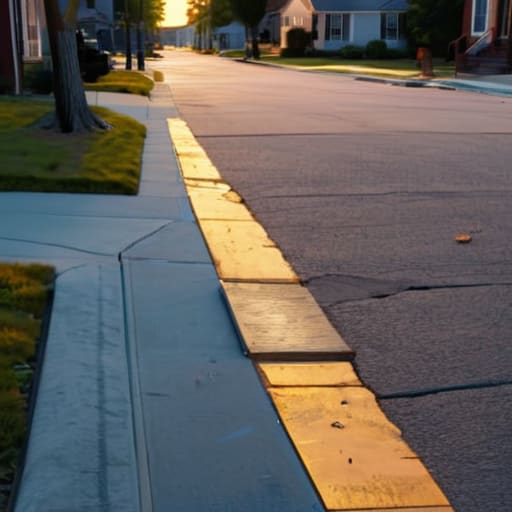
Before you go out and buy a single bag of bunting or book a hall, you need to figure out where the actual holes are in your neighborhood. I’ve seen so many well-meaning committees rush into a summer fête only to realize six months later that what the residents actually wanted was a working street light or a safe way for kids to cross the road. Identifying community gaps isn’t about what you think is missing; it’s about finding the quiet spaces where services aren’t reaching.
Don’t just rely on a digital form, either. While those are handy, I always suggest mixing in some old-fashioned stakeholder interview techniques. This might mean having a proper chat with the local shopkeeper or the person who runs the youth club. They see the daily friction points that a checkbox on a survey might miss. If you spend this time looking for the gaps first, your resource allocation planning becomes much easier. You won’t end up wasting your small pot of funding on a project that looks good on paper but doesn’t actually solve a problem for the people living on your street.
Beyond the Paper Smart Data Collection Methods for Nonprofits
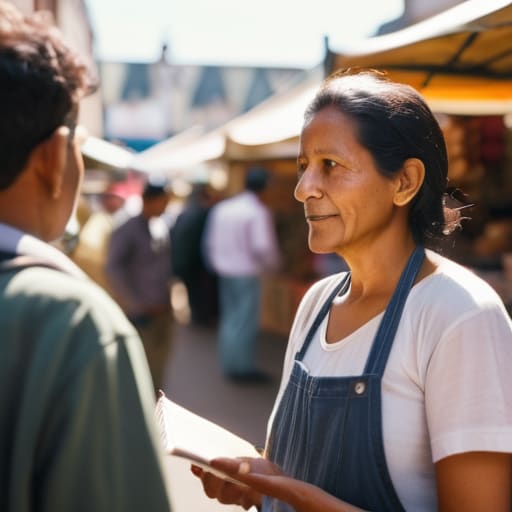
Now, don’t get too precious about the paperwork. If you only rely on a stack of printed forms, you’re going to miss the very people who need your help most. In my thirty years in local government, I saw so many lovely projects fail because they only listened to the loudest voices in the room. To get a real picture, you need to diversify your community engagement strategies. I always suggest a “boots on the ground” approach. Set up a folding table at the Saturday market or sit on a bench near the school gates. Sometimes, a five-minute chat with a parent or a local shopkeeper provides more insight than a hundred checkboxes.
If you want to go deeper, try using basic stakeholder interview techniques. This doesn’t mean you need a degree in sociology; it just means sitting down with the people who hold the local knowledge—the postman, the vicar, or the lady who has lived on the corner for fifty years. These informal conversations are often the best data collection methods for nonprofits because they reveal the nuances that a formal survey might miss. It’s about building trust, not just gathering statistics.
Real Voices Matter Using Stakeholder Interview Techniques for Depth
Now, don’t get me wrong—surveys are wonderful for getting numbers on a page, but they can be a bit thin. You might find out that 40% of the street wants a new playground, but a survey won’t tell you why the teenagers aren’t using the existing one. That’s where stakeholder interview techniques come into play. I’ve learned over thirty years that if you sit down for a cup of tea with the local shopkeeper or the person who has lived on the corner since 1960, they’ll tell you things a tick-box form never could.
When you’re sitting there, try to listen more than you talk. You aren’t there to pitch your committee’s grand ideas; you’re there to listen to the friction points in their daily lives. This kind of deep dive is essential for effective resource allocation planning later on. If you only rely on the easy data, you risk building something nobody actually uses. By pairing your surveys with these quiet, one-on-one conversations, you ensure your committee is working on the right problems, not just the loudest ones.
Turning Numbers Into Action Analyzing Survey Results for Social Impact
Once you have all those forms and interview notes piled on your kitchen table, the real work begins. It can feel a bit overwhelming, looking at a mountain of paper, but remember: you aren’t looking for perfection, you are looking for patterns. Don’t get bogged down in the weeds of every single comment. Instead, look for the things that keep coming up. If ten different neighbors mention the broken streetlight on the corner, that’s not just a coincidence; it’s a mandate. When you are analyzing survey results for social impact, you are essentially looking for the common thread that ties your neighbors together.
Once those patterns emerge, you have to make a choice. This is where most small committees stumble—they try to do everything at once and end up doing nothing. I always tell my groups to use these findings for resource allocation planning. If the data shows a desperate need for a youth club but only a mild interest in a flower show, you put your limited funds toward the kids. It might not please everyone, but it ensures your committee’s energy is actually changing the street rather than just keeping busy.
The Blueprint Resource Allocation Planning for Your Committees Win
Once you’ve finished analyzing survey results for social impact, you’ll likely find yourself staring at a long list of wonderful, expensive ideas. This is where most small committees stumble. You’ve identified the gaps, but now you have to face the math. Resource allocation planning isn’t about being stingy; it’s about being intentional. I’ve seen too many groups burn through their entire first year of funding on a single, flashy event, only to realize they’ve left no budget for the actual, long-term maintenance of the project they just started.
I always tell my committees to divide their resources into three distinct buckets: the immediate “quick wins,” the core project costs, and a small, sacred emergency fund. If your survey data suggests the neighborhood needs better lighting, don’t just buy the lamps; ensure you have the funds for the electrician and the ongoing electricity bill. Don’t let a lack of foresight turn your success into a future headache. By mapping your survey findings directly against your bank balance, you ensure that your committee doesn’t just make a splash, but actually stays afloat.
Five Things I’ve Learned About Not Wasting Your Committee's Time
- Keep your questions short and sweet; if a neighbor sees a survey that looks like a university exam, they’ll bin it before they even reach the second page.
- Don’t just rely on the people who always show up to the parish meetings—go where the quiet people are, like the school gates or the local shop, or you’ll only ever hear one side of the story.
- Always include a “something else” box at the end of your questions, because the most important thing your street needs is often the thing you weren’t even clever enough to ask about.
- Be crystal clear about what you actually intend to do with the answers, otherwise people feel like they’re shouting into a void and won’t bother helping you next time.
- Make sure you record exactly how you asked the questions and who you talked to; I’ve seen too many good ideas vanish simply because the next committee had no idea how the previous one gathered their facts.
The Trap of the Assumptions
I’ve seen too many lovely little committees spend their entire first year’s budget on a new playground set, only to find out the neighborhood actually wanted better street lighting. If you don’t ask the people living there what they actually need, you aren’t running a community project—you’re just running a very expensive guessing game.
Deborah Castellanos
Putting Your Findings to Work
We’ve covered a lot of ground, from the initial spark of an idea to the heavy lifting of analyzing data and planning your budget. Remember, the goal of a survey isn’t just to collect a pile of papers to sit in a folder; it’s to build a reliable foundation for everything your committee does next. You’ve identified the gaps, listened to the actual voices on your street, and turned those messy conversations into a clear blueprint for action. By following these steps, you aren’t just guessing what people want—you are building a structured roadmap that ensures your limited resources are spent on things that actually matter to your neighbours.
I’ve seen too many wonderful little groups fizzle out because they started with a grand idea but no real evidence to back it up. Don’t let that be your story. You now have the tools to move from a group of well-meaning people to a disciplined committee that knows exactly where it is going. It might feel like a lot of admin at first, but I promise you, having those facts in your hands is what gives you the confidence to walk into a council meeting or a bank and say, “This is what our street needs.” Now, take those results, grab your committee, and start making it happen.
