
I remember sitting in a drafty church hall back in ’98, watching a well-meaning volunteer try to explain a complex referral system to a mother who looked like she hadn’t slept in a week. There was so much unnecessary paperwork and “official procedure” that it felt more like a barrier than a bridge. People often think that learning how to use a local foodbank requires navigating a labyrinth of bureaucracy or feeling like you’ve failed some sort of test. That is simply not true. A foodbank is a community resource, plain and simple, and it shouldn’t feel like you’re asking for a favour from a stranger behind a high desk.
I’ve spent thirty years in local government watching how these small, vital networks actually function when the red tape is stripped away. I’m not here to give you a lecture or a list of lofty ideals; I want to give you the practical, boots-on-the-ground reality. In this guide, I’ll show you exactly what to expect, what to bring, and how to navigate the process with your dignity intact. My goal is to make sure you spend less time worrying about the rules and more time simply getting what your family needs.
Mapping the Terrain Finding Food Assistance Programs Near Me
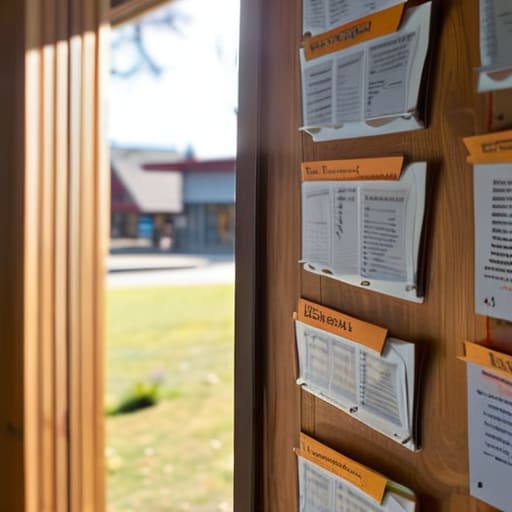
When I first started in community development, I learned that the hardest part isn’t doing the work—it’s finding where the work is actually happening. If you’re sitting at your kitchen table feeling a bit lost, don’t panic. Finding food assistance programs near me usually starts with the local library or the noticeboard at your GP surgery. These places are the heartbeat of our neighborhoods; they know who is running a little community pantry access scheme and who is operating a larger, more formal nonprofit food distribution hub.
I always tell my neighbors to check the local council website first, but don’t stop there. Sometimes the most reliable help comes from a small church hall or a grassroots group that doesn’t have a fancy website. Once you find a potential lead, give them a quick ring before you make the trip. It’s worth asking about their specific foodbank documentation requirements upfront. There is nothing more disheartening than walking halfway across town only to realize you’ve forgotten a piece of ID or a utility bill that they need to get you registered.
The Paperwork Barrier Navigating Foodbank Documentation Requirements
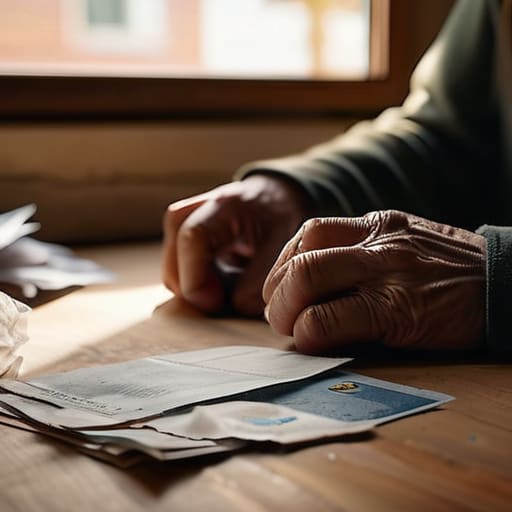
I’ve seen it happen too many times: a well-meaning neighbor walks into a center, only to be turned away because they didn’t realize they needed a utility bill or a specific ID. It’s heartbreaking. When I was working in local government, I learned that the emergency food aid process isn’t always as straightforward as a simple hand-out. Many organizations have strict mandates from their donors to prove that the aid is reaching those in genuine need. This isn’t about being difficult; it’s about accountability, but for someone in the middle of a crisis, it can feel like a mountain of red tape.
Before you head out, I suggest making a small folder. You’ll likely need proof of address and some form of identification to meet the standard foodbank documentation requirements. I always tell my friends to check the center’s website or give them a quick ring first. Knowing exactly what to bring saves you a wasted trip and, more importantly, saves you from the exhaustion of feeling scrutinized when you are already at your lowest. Having your papers in order is just a practical way to protect your dignity.
The Blueprint for Survival How to Use a Local Foodbank

Once you’ve gathered your papers, it’s time to actually step through the door. I remember a particular regeneration project in my old district where people were too proud to ask for help, even when the cupboards were bare. The trick is understanding that the emergency food aid process isn’t a judgment on your character; it’s a community safety net. Most places operate on a scheduled basis—perhaps a Tuesday morning or a monthly distribution—so you’ll want to confirm their specific hours before making the trip.
When you arrive, you’ll likely meet a volunteer who has seen it all. Be honest with them about what your family actually needs. If you have children or specific dietary requirements, speak up early. Some locations offer more than just a standard parcel; you might find options for community pantry access where you can pick specific items, or perhaps they can point you toward longer-term food insecurity resources. It can feel a bit overwhelming at first, but remember: these services exist because we are all neighbors, and sometimes neighbors need a hand to get back on their feet.
Inside the System the Emergency Food Aid Process Explained
Once you’ve gathered your paperwork, you’ll likely face a short intake interview. Don’t let this part rattle you; it isn’t an interrogation, though it can feel a bit clinical. The volunteers are simply trying to understand your immediate needs so they can allocate the right supplies. They might ask about your household size or how long you’ve been facing these gaps. This is a standard part of the emergency food aid process, designed to ensure the pantry’s limited stock reaches those in the most urgent circumstances.
After the chat, you’ll usually move to the distribution stage. Depending on the site, this might look like a traditional supermarket-style shop where you pick items yourself, or it might be a pre-packed parcel handed to you. I’ve seen both, and while the former offers more dignity through choice, both serve the same vital purpose. Just remember to be patient with the staff; they are often working with very little, and a bit of kindness goes a long way in these spaces. It’s all part of how we look after one another when the safety net feels a little thin.
Beyond the Pantry Securing Vital Community Pantry Access
Now, once you’ve navigated the immediate crisis of the emergency food aid process, it’s worth looking a little further down the road. A foodbank is a vital lifeline, but it can sometimes feel a bit like a triage unit—you go in, you get what you need to survive the week, and you leave. If you are looking for more stability, I always suggest looking into community pantry access within your local neighbourhood. Unlike the larger, more formal distribution centres, these smaller, often volunteer-led pantries operate a bit more like a communal larder. They are less about strict queues and more about sustained support, allowing you to supplement your kitchen cupboards without the same level of pressure.
I’ve seen many residents struggle because they stop at the first door that opens. Don’t be afraid to ask the volunteers about other food insecurity resources available in the parish or ward. Often, a local church or a small nonprofit food distribution group might have a different schedule or a different way of working that suits your life better. It’s all about building a patchwork of support so that you aren’t relying on just one single source.
Organizing the Neighborhood Tapping Into Nonprofit Food Distribution
Now, if you’re looking at this from the other side of the table—perhaps you’re the one trying to help a neighbor—you’ll find that the real strength lies in nonprofit food distribution networks. These aren’t just random collections of canned goods; they are organized systems that rely on local coordination. I’ve seen many well-meaning groups fizzle out because they tried to reinvent the wheel. Instead of starting from scratch, look for the established hubs that already have the logistics sorted. They often have the most reliable food insecurity resources tucked away, and they know exactly how to bridge the gap between a surplus and a hungry family.
When you start organizing at a street or parish level, don’t try to be a supermarket. Your role is to be the connector. I always tell my volunteers that the goal is to link people to the existing community pantry access points rather than trying to manage a massive inventory yourselves. It’s about knowing who has the van, who has the storage space, and who can help a neighbor navigate the paperwork. If we document these connections properly, we ensure that the help keeps flowing long after the initial burst of enthusiasm has faded.
A Few Bits of Practical Advice from My Years in the Field
- Keep a small folder of your “essentials” ready—things like a recent utility bill or a benefit letter—because nothing stalls a helping hand faster than a missing piece of paper.
- Don’t be afraid to ask about their specific hours; many of these lovely people are running on volunteer time, and showing up ten minutes after the doors close is a heartbreak I’ve seen too often.
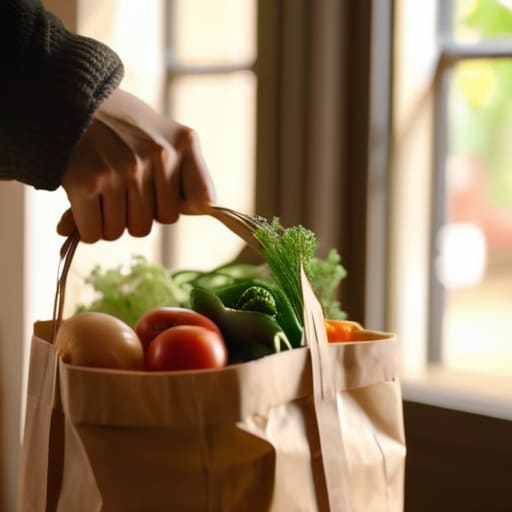
- If you can, bring your own sturdy bags; it’s a small way to respect the resources they have, and it makes the walk home a lot easier on your arms.
- Be honest about what you actually need, whether it’s nappies or tinned meat; these groups work best when they can match their stock to the real, lived reality of the people in the street.
- Remember that there is no shame in asking; I’ve spent thirty years seeing that the strongest communities are the ones where people are brave enough to say, “I could use a bit of help this week.”
A Note on Dignity and Logistics
“When we talk about using a foodbank, we aren’t just talking about a transaction of goods; we are talking about a community’s safety net. My advice is always the same: show up prepared with your paperwork, but more importantly, show up with the understanding that asking for help is simply the first step in keeping our neighborhood whole.”
Deborah Castellanos
Looking Ahead, Together
We have covered a lot of ground, from the initial paperwork that often feels like a mountain, to the practicalities of navigating local pantries and nonprofit distribution networks. It is easy to feel overwhelmed by the bureaucracy of it all, but remember that once you understand the mechanics of the system, the barriers become much easier to step over. Whether you are accessing emergency aid for yourself or helping a neighbor figure out which local program fits their specific needs, the goal is the same: getting food onto the table without unnecessary stress. Keep your documents organized and don’t be afraid to ask the volunteers for clarification; they are there to help you navigate the very real complexities of these services.
Ultimately, using a foodbank isn’t a sign of failure, but a way of participating in the safety net that keeps our streets whole. In my thirty-one years in local government, I learned that a community is only as strong as its ability to look after its own during the lean times. If you find yourself needing these services, please know that you are doing what is necessary to keep your household steady. And if you find you have a little extra to give—be it a spare tin of beans or an hour of your time to help organize a distribution—pay it forward. It is these small, documented acts of kindness that ensure our neighborhoods don’t just survive, but actually thrive.
