
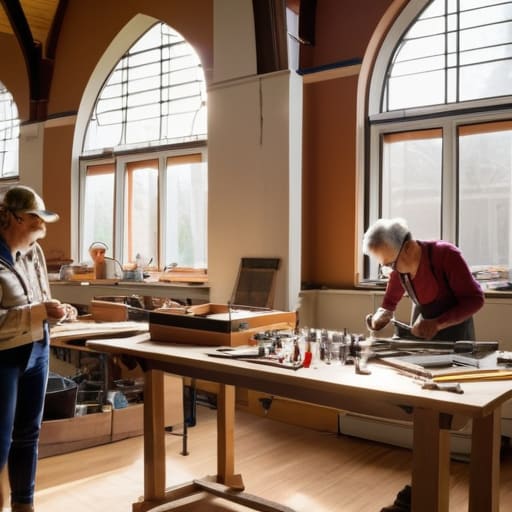
I remember sitting in a drafty church hall three years ago, surrounded by the smell of burnt solder and old dust, watching a young man try to fix a toaster while a group of us hovered nervously around a pile of mismatched cables. There was no grand strategic plan or professional consultant in sight; there was just a group of us who were tired of seeing perfectly good things end up in the skip. People often get bogged down in the idea that you need a massive grant or a dedicated community centre to make something like this work, but they miss the point of how to run a repair cafe in the first place. It isn’t about the fancy equipment or the polished branding; it’s about the people who show up with a screwdriver and a bit of patience.
I’m not here to give you a theoretical lecture or a glossy brochure filled with jargon. I’ve spent thirty years in local government seeing wonderful projects crumble simply because nobody bothered to write down the basics of how they actually functioned. My goal is to give you the practical, unvarnished truth about setting up your committee, opening that vital bank account, and keeping the momentum going when the initial excitement fades. I will show you how to build something that actually lasts.
Six People One Bank Account and How to Run a Repair Cafe

You don’t need a massive grant or a town hall lease to get moving. What you really need is a core group of six people who are willing to show up and take a bit of responsibility. I’ve seen too many wonderful ideas fizzle out because everyone thought someone else was handling the paperwork. You need a chair to keep things moving, a secretary to actually write things down, a treasurer to watch the pennies, and a few others to handle the practicalities. Once you have that small committee and a dedicated bank account, you’ve moved from a “nice idea” to a formal entity.
With that foundation, you can start looking at the logistics of managing volunteer repair technicians. This is where the real work begins—matching the person who can fix a toaster with the neighbor who has a broken one. It isn’t just about the fixing, though; it’s about building a culture of waste reduction through repair right on your doorstep. If you keep your roles clear and your minutes recorded, you won’t find yourselves wondering why the group folded six months later.
Building a Community Repair Workshop Organization From Scratch

Now, once you have your six people and that bank account, you have to figure out how the actual work gets done. When I was working in local government, I saw so many lovely ideas crumble because they didn’t have a clear structure. For a community repair workshop organization, you don’t need a massive hierarchy, but you do need a way to manage the flow of people and broken things. I always suggest starting with a simple sign-in sheet and a way to track what’s being fixed. It keeps things from turning into a chaotic pile of toaster parts in the corner of the hall.
The real heart of the operation, though, is your people. Managing volunteer repair technicians is less about technical oversight and more about making sure everyone feels respected and safe. You aren’t just fixing kettles; you are building a culture of waste reduction through repair. I’ve learned that if you don’t write down who is doing what—who brings the tea, who handles the heavy lifting, and who checks the tools—the whole thing tends to drift. A little bit of record-keeping goes a long way in keeping the momentum alive.
Managing Volunteer Repair Technicians Without Losing Your Mind
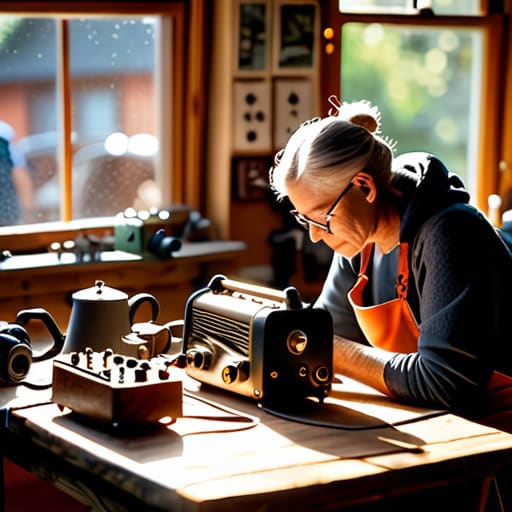
Now, here is the part where most groups stumble: the people who actually do the fixing. When I worked in local government, I saw so many brilliant projects wither because the “experts” felt unappreciated or, worse, overwhelmed. Managing volunteer repair technicians isn’t about being a boss; it’s about being a host. You aren’t running a factory; you are hosting a gathering of skilled neighbors. If you try to micromanage how someone holds a soldering iron, they’ll simply stop showing up. Instead, focus on the logistics—the tea, the workspace, and making sure they don’t feel like they’re on call twenty-four hours a day.
You also have to be clear about what you can’t do. I’ve seen well-meaning groups get into a muddle because they didn’t set boundaries on what items are safe to tackle. I always tell new committees to write down a simple list of “no-go” items—like microwave ovens or certain heavy electrical goods. It isn’t about being difficult; it’s about protecting your volunteers and ensuring you meet your repair cafe insurance requirements. If you keep the expectations clear and the atmosphere warm, your technicians will stay, and your workshop will thrive.
Navigating Repair Cafe Insurance Requirements and Legal Safety
Now, this is the part where most people start to feel a bit of a headache coming on, but please don’t let it stop you. When you are building a community repair workshop organization, you aren’t just fixing toasters; you are managing people and tools in a shared space. You must address the legal side early. I always tell people to look into public liability insurance immediately. If someone trips over a power cord or a repaired lamp decides to spark, you need to know your committee is protected. It’s much easier to sort this out when you have a tiny bit of funding in that bank account we talked about, rather than trying to scramble after an accident has happened.
You also need to be very clear about your disclaimers. I’ve seen many a good intention go sideways because there was no written agreement stating that repairs are done at the owner’s risk. It sounds a bit cold, I know, but being transparent about the limits of your liability is essential for managing volunteer repair technicians safely. You aren’t running a professional factory; you’re running a neighborhood project. Clear rules and a basic insurance policy act as the safety net that keeps your group from folding when things get complicated.
Organizing Community Tool Sharing to Fuel Your Mission
One thing I learned during my years in local government is that people are often sitting on a goldmine of resources they don’t even realize they have. In the context of a repair cafe, that goldmine is usually sitting in a dusty garage or a garden shed. Organizing community tool sharing isn’t just about making sure you have enough screwdrivers; it’s about building a library of things that belongs to the street. If you can coordinate a system where neighbors lend their drills, soldering irons, or specialized clamps, you drastically lower the barrier to entry for your workshop.
However, I must offer a word of caution from my time reviewing committee minutes: you cannot simply let people drop tools off without a paper trail. To keep things running smoothly, you need a simple, handwritten log or a basic spreadsheet to track who has what. This level of organization is vital for waste reduction through repair, as it ensures the tools stay in good working order and actually return to their owners. It turns a pile of random hardware into a reliable community asset that fuels your mission for years to come.
Driving Waste Reduction Through Repair and Circular Economy Wins
When I worked in local government, I saw far too many perfectly good items head straight for the landfill simply because a single wire had come loose or a screw was missing. It’s a heartbreaking waste of resources. By setting up a repair cafe, you aren’t just fixing a toaster; you are actively participating in waste reduction through repair. You are teaching people that “broken” doesn’t have to mean “disposable,” which is the very heart of moving toward a more sustainable way of living.
It is easy to get caught up in the logistics of the day—the tea, the seating, or the paperwork—but we mustn’t lose sight of the bigger picture. Every successful session is a tangible win for sustainability and the circular economy right on your doorstep. When we keep items in use, we reduce the demand for new manufacturing and lessen the strain on our local waste services. It’s about shifting the culture of the neighborhood from one of constant consumption to one of care and stewardship. That, to me, is the real legacy of a well-run group.
Five things I’ve learned from thirty years of watching committees succeed (and fail)
- Keep your minutes simple but sacred. I’ve seen wonderful projects collapse because nobody bothered to write down who agreed to buy the extension leads or how the tea fund was managed. If it isn’t in the minutes, it didn’t happen.
- Don’t try to be a charity right away. Focus on getting your bank account sorted and your first three sessions running. You can worry about the complex grant applications once you’ve proven to the street that you actually exist.
- Rotate your roles every twelve months. Burnout is the silent killer of community groups. If the same two people are always making the coffee and checking the insurance, they’ll quit by Christmas, and the whole thing will fold.
- Set clear boundaries for what you won’t fix. It’s tempting to say yes to everything to be helpful, but if your technicians feel pressured to take on dangerous electrical jobs just to please a neighbor, you’re asking for trouble.
- Build a “paper trail” of your wins. Every time you save a toaster from a landfill, jot it down. When you eventually go to the local council for a small community grant, having a list of “twenty items repaired” is much more powerful than just saying you’re “doing good work.”
The secret to staying power
Most community projects don’t fail because people stop caring; they fail because they didn’t bother to write down who was supposed to hold the keys and where the petty cash was kept. If you want your repair cafe to last longer than a single afternoon, you need more than just handy neighbors—you need a clear set of minutes and a very simple way of doing things.
Deborah Castellanos
The Long View
Looking back at everything we’ve covered, it’s easy to feel a bit overwhelmed by the logistics. Between the insurance paperwork, the tool libraries, and the delicate task of managing your technicians, it can feel like you’re running a small business rather than a neighborhood hobby. But remember, you don’t need a massive municipal budget or a professional management team to make this work. You just need that core committee, a clear set of written procedures so the next person knows what to do, and a reliable way to keep your finances transparent. If you get the foundational structure right—the bank account, the safety rules, and the volunteer roles—the rest of the community will naturally start to fill in the gaps.
At the end of the day, a repair cafe is about much more than just fixing a broken toaster or a torn hem. It is about reclaiming a sense of agency over our things and, more importantly, over our streets. When we stop throwing everything away the moment it falters, we start seeing our neighbors differently, too. We move from being isolated consumers to becoming a connected community that knows how to look after one another. So, get your six people together, grab a notebook, and start writing down how it’s done. Small groups change streets, and I can’t wait to see what yours builds.
